How to train the operators of road sanitation vehicles?
Leave a message

Hey there! I'm a supplier of road sanitation vehicles, and I've seen firsthand how crucial it is to have well - trained operators for these machines. In this blog, I'll share some tips on how to train the operators of road sanitation vehicles.
Understanding the Basics
First things first, before you start any hands - on training, it's essential to give your operators a solid understanding of the road sanitation vehicles. They need to know the different types of vehicles in your fleet, like street sweepers, garbage trucks, and high - pressure washers. Each vehicle has its own unique features and functions.
For instance, a street sweeper might have adjustable brushes and suction nozzles. Operators should learn how to adjust these settings according to the type of debris on the road, whether it's dry leaves, sand, or small stones. Garbage trucks, on the other hand, have complex hydraulic systems for lifting and emptying waste containers. They need to understand how these systems work to avoid any malfunctions.
You can start the training with classroom sessions. Use brochures, manuals, and even short videos to explain the basic concepts. Make it interactive by asking questions and encouraging the operators to share their thoughts. This way, they'll be more engaged and likely to remember the information.
Safety First
Safety is of the utmost importance when it comes to operating road sanitation vehicles. These vehicles are often moving on busy roads, and any mistake can lead to serious accidents.
Teach your operators about the safety features of the vehicles. Most modern road sanitation vehicles are equipped with things like rear - view cameras, blind - spot detection systems, and emergency stop buttons. Show them how to use these features properly.
Also, make sure they understand traffic rules. They should know how to signal when turning, how to park safely, and what to do in case of an emergency on the road. You can organize mock traffic scenarios during the training to let them practice these skills.
Another aspect of safety is personal protective equipment (PPE). Operators should always wear appropriate PPE, such as safety helmets, high - visibility vests, and gloves. Explain to them why these items are necessary and how to use them correctly.
Hands - on Training
Once the operators have a good understanding of the basics and safety measures, it's time for hands - on training. This is where they'll really learn how to operate the vehicles.


Start with simple tasks. For example, if it's a street sweeper, let them practice driving the vehicle in an empty parking lot first. Then, gradually introduce more complex operations, like adjusting the brushes and suction power while moving.
For garbage trucks, start with the basic lifting and emptying of small waste containers. As they get more comfortable, move on to larger and more challenging containers.
It's important to provide constant supervision during the hands - on training. An experienced operator or a trainer should be in the vehicle with the trainee at all times. They can offer immediate feedback and correct any mistakes.
Maintenance Training
Road sanitation vehicles are expensive pieces of equipment, and proper maintenance is key to their longevity. Teach your operators about basic maintenance tasks.
They should know how to check the fluid levels, like oil, coolant, and hydraulic fluid, before each shift. Also, show them how to inspect the tires for wear and tear and how to check the brakes.
Regular cleaning of the vehicles is also important. Explain to them how to clean the brushes, filters, and other components to keep the vehicle in good working condition.
You can also provide some training on how to identify early signs of problems. For example, if they notice a strange noise or vibration, they should know that it could be a sign of a mechanical issue and report it immediately.
Customer Service Training
In many cases, road sanitation vehicle operators interact with the public. They might be emptying garbage bins in residential areas or cleaning streets in commercial districts. So, customer service skills are also important.
Teach them how to communicate politely with the public. They should be able to answer questions about the sanitation services and handle complaints in a professional manner.
For example, if a resident has a problem with the garbage collection schedule, the operator should be able to listen patiently and provide a reasonable explanation or solution.
Advanced Training
As your operators gain more experience, you can offer advanced training. This could include training on new technologies and features that are being introduced in the road sanitation vehicle industry.
For example, some vehicles now come with automated cleaning systems or GPS tracking. Teach your operators how to use these advanced features to improve the efficiency of their work.
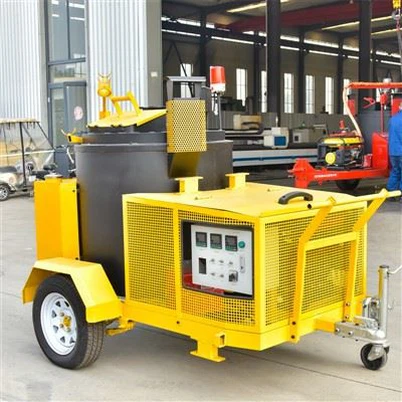
You can also provide training on specialized tasks, like Asphalt hot recycling for road maintenance. This type of training can make your operators more versatile and valuable to your company.
Continuous Learning
Training is not a one - time thing. The road sanitation vehicle industry is constantly evolving, with new technologies and best practices emerging all the time. Encourage your operators to engage in continuous learning.
You can subscribe to industry magazines and newsletters and share them with your operators. You can also organize regular refresher courses to keep their skills up - to - date.
Conclusion
Training the operators of road sanitation vehicles is a comprehensive process that involves understanding the basics, safety training, hands - on experience, maintenance knowledge, customer service skills, and continuous learning. By investing in proper training, you'll not only ensure the safety and efficiency of your operations but also improve the overall quality of your road sanitation services.
If you're interested in our road sanitation vehicles or have any questions about training your operators, feel free to reach out. We're always here to help you make the most of our products and ensure the success of your road sanitation business. Whether you need a Road Repair Machine or a Road Repair Vehicle, we've got you covered. Let's start a conversation and see how we can work together to meet your needs.
References
- Industry best practices in road sanitation vehicle operation and training.
- Manufacturer's manuals for road sanitation vehicles.
- Traffic safety guidelines and regulations.