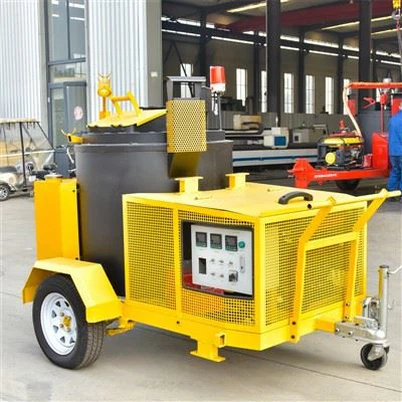
How to ensure the safety of operators when using a joint filling machine?
Leave a message

Ensuring the safety of operators when using a joint filling machine is of utmost importance. As a reputable supplier of joint filling machines, we understand the significance of providing not only high - quality equipment but also comprehensive safety guidelines. In this blog, we will explore various aspects of operator safety when using joint filling machines.
Pre - operation Safety Checks
Before starting to use a joint filling machine, a series of pre - operation safety checks must be carried out. First and foremost, operators should visually inspect the machine for any visible damage, such as cracks in the tank, loose connections in the hoses, or damaged electrical components. For instance, a crack in the asphalt tank of a Hand Pushed Seam asphalt sealing machine could lead to leaks, which are not only a waste of material but also a potential safety hazard.
The operator should also check the fuel or power source. If it is a fuel - powered machine, ensure that the fuel tank is filled to an appropriate level and that there are no fuel leaks. For electric machines, verify that the power cord is in good condition and that the electrical connections are secure. Faulty electrical connections can cause electrical shocks, which are extremely dangerous.
The controls of the machine need to be tested. Make sure that all the switches, valves, and levers are working properly. For example, the valve that controls the flow of the filling material should open and close smoothly. If the controls are not functioning correctly, it can lead to improper operation of the machine, such as over - filling or under - filling of joints.
Personal Protective Equipment (PPE)
Personal protective equipment is a crucial part of operator safety. Operators should always wear appropriate PPE when using a joint filling machine. Safety goggles are essential to protect the eyes from any splashes of hot filling material, dust, or debris. The hot asphalt or other joint filling materials can cause severe burns if they come into contact with the eyes.
A heat - resistant glove is another must - have PPE. When handling the nozzles or other parts of the machine that come into contact with hot materials, these gloves can prevent burns. The gloves should be in good condition and fit properly to ensure maximum protection.
A safety helmet should be worn to protect the head from any falling objects or potential impacts. In a construction site environment, there may be other workers or equipment nearby, and there is a risk of objects being dropped.
Respiratory protection is also necessary, especially when working with materials that emit fumes. For example, when using asphalt - based joint filling materials, fumes can be harmful if inhaled. A respirator can filter out the harmful particles and gases, protecting the operator's lungs.
Operating the Joint Filling Machine
During the operation of the joint filling machine, operators need to follow specific safety procedures. First, they should stand in a stable position. When using a HJ100A Hand Pushed Seam Sealing Machine, for example, the operator should maintain a firm grip on the handle and keep their feet firmly planted on the ground. This helps to prevent falls, especially when the machine is moving or when there is a sudden change in the flow of the filling material.
The operator should keep a safe distance from the hot parts of the machine. The heating elements and the filled material in the tank can reach very high temperatures. Touching these parts accidentally can cause severe burns.
When filling the joints, the operator should be careful not to over - fill. Over - filling can lead to spills, which not only waste the filling material but also create a slippery surface, increasing the risk of slips and falls. The operator should also ensure that the filling material is distributed evenly in the joints.
Machine Maintenance and Inspection
Regular machine maintenance and inspection are essential for operator safety. The machine should be cleaned after each use to remove any residual filling material. This helps to prevent the build - up of material, which can clog the hoses, nozzles, and valves. A clogged machine can malfunction, leading to unexpected problems during operation.


The heating system of the machine needs to be inspected regularly. If the heating elements are not working properly, the filling material may not reach the correct temperature, which can affect the quality of the joint filling. On the other hand, if the heating system overheats, it can pose a fire hazard.
The hoses and nozzles of the machine should be checked for wear and tear. Damaged hoses can burst under pressure, causing the hot filling material to spray out. Worn - out nozzles can also lead to uneven distribution of the filling material.
Training and Education
Proper training and education of operators are key to ensuring safety. Operators should receive comprehensive training on how to use the joint filling machine safely. This training should cover pre - operation checks, PPE usage, operating procedures, and machine maintenance.
Our company provides training programs for operators who purchase our Fully Automatic Seam Sealing Machine or other joint filling machines. The training is conducted by experienced technicians who can answer any questions the operators may have. We also provide educational materials, such as user manuals and safety guides, to help operators understand the proper use of the machines.
Emergency Preparedness
Despite all the safety measures in place, emergencies can still occur. Operators should be trained in emergency response procedures. For example, in case of a fire, they should know how to use a fire extinguisher that is suitable for the type of fire (such as a Class B fire extinguisher for fuel or asphalt fires).
In case of a burn injury, there should be a first - aid kit readily available on the site. The operator should be trained on how to provide basic first - aid for burns, such as cooling the burn with cold water and covering it with a clean, non - sticking dressing.
Conclusion
Ensuring the safety of operators when using a joint filling machine requires a comprehensive approach. From pre - operation checks and the use of PPE to proper operation, maintenance, training, and emergency preparedness, every aspect plays a vital role. As a supplier of joint filling machines, we are committed to providing not only top - quality machines but also all the necessary support to ensure operator safety.
If you are interested in purchasing a joint filling machine or have any questions about our products, we encourage you to contact us for a detailed discussion. Our team of experts is ready to assist you in finding the most suitable machine for your needs and to provide all the necessary information on safety and operation.
References
- Construction Equipment Safety Manuals
- Occupational Safety and Health Administration (OSHA) Guidelines for Asphalt and Construction Equipment
- Manufacturer's User Manuals for Joint Filling Machines