How to ensure the long - term stability of road joint filling?
Leave a message

Hey there! As a road joint filling supplier, I've seen firsthand how crucial it is to ensure the long - term stability of road joint filling. In this blog, I'm gonna share some tips and insights on how to achieve that.
Understanding the Importance of Road Joint Filling
Before we dive into the ways to ensure long - term stability, let's quickly talk about why road joint filling is so important. Road joints are designed to allow for the expansion and contraction of the pavement due to temperature changes. Without proper joint filling, water can seep into these joints, causing damage to the underlying structure. This can lead to potholes, cracks, and other forms of pavement deterioration, which not only pose safety risks but also increase maintenance costs.
Choosing the Right Materials
One of the most important factors in ensuring the long - term stability of road joint filling is choosing the right materials. There are several types of joint filling materials available in the market, each with its own set of properties and advantages.
Bituminous Sealants
Bituminous sealants are one of the most commonly used materials for road joint filling. They are relatively inexpensive and have good adhesion properties. However, they can be prone to aging and cracking over time, especially in areas with extreme temperature variations.
Polyurethane Sealants
Polyurethane sealants offer better flexibility and durability compared to bituminous sealants. They can withstand a wider range of temperature changes and have excellent resistance to water and chemicals. However, they are more expensive and require more careful application.
Silicone Sealants
Silicone sealants are known for their high elasticity and resistance to weathering. They can maintain their properties over a long period of time, even in harsh environmental conditions. But they are also quite costly and may not be suitable for all types of road joints.
As a supplier, I always recommend doing a thorough assessment of the road conditions, traffic volume, and environmental factors before choosing a joint filling material. This will help you select the most appropriate product for the job.
Proper Surface Preparation
Another key factor in ensuring long - term stability is proper surface preparation. Before applying the joint filling material, the joint must be cleaned and dried thoroughly. Any dirt, debris, or loose material in the joint can prevent the sealant from adhering properly, leading to premature failure.
Cleaning the Joint
There are several methods for cleaning road joints, including using compressed air, wire brushes, or high - pressure water jets. Compressed air is a quick and effective way to remove loose debris, while wire brushes can be used to scrub away stubborn dirt. High - pressure water jets are useful for removing oil and grease stains.
Drying the Joint
After cleaning, the joint must be dried completely. Moisture in the joint can cause the sealant to bubble or not adhere properly. In some cases, it may be necessary to use a heat gun or a dehumidifier to speed up the drying process.
Correct Application Techniques
Once the joint is clean and dry, it's time to apply the joint filling material. The application process must be carried out carefully to ensure proper adhesion and a smooth finish.
Using the Right Equipment
Investing in high - quality equipment is essential for a successful joint filling project. For larger projects, a Joint Filling Machine can be used to apply the sealant quickly and evenly. These machines are designed to heat the sealant to the appropriate temperature and dispense it at a consistent rate.
For smaller or more precise jobs, a HJ100A Hand Pushed Seam Sealing Machine may be more suitable. This type of machine allows for greater control and can be easily maneuvered around obstacles.
Following the Manufacturer's Instructions
Each joint filling material has its own set of application instructions, including the recommended temperature, application thickness, and curing time. It's important to follow these instructions carefully to ensure the best results.
For example, some sealants need to be heated to a specific temperature before application, while others may require a primer to improve adhesion. Failure to follow the manufacturer's instructions can result in poor performance and premature failure of the joint filling.
Regular Maintenance and Inspection
Even with the best materials and application techniques, road joint filling still requires regular maintenance and inspection to ensure long - term stability.
Visual Inspections
Regular visual inspections can help detect any signs of damage or deterioration early on. Look for cracks, gaps, or signs of wear in the joint filling material. If any issues are found. they should be addressed immediately to prevent further damage.
Re - sealing
Over time, the joint filling material may start to lose its effectiveness. In such cases, re - sealing the joint may be necessary. This involves removing the old sealant, cleaning the joint, and applying a new layer of sealant.
The Role of Our Products in Ensuring Long - Term Stability
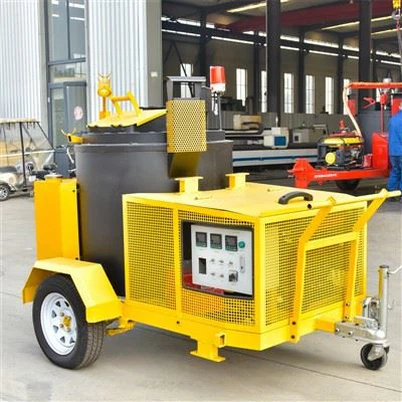
At our company, we offer a range of high - quality road joint filling products and equipment to help ensure the long - term stability of your road joints. Our 200L Series Asphalt Crack Sealing Machine is a great option for large - scale projects. It is designed to heat and dispense asphalt - based sealants efficiently, providing a consistent and durable joint filling.
Our joint filling materials are carefully formulated to withstand the rigors of traffic and environmental conditions. Whether you need a bituminous sealant for a budget - friendly option or a high - performance polyurethane sealant for a demanding application, we have the right product for you.
Conclusion
Ensuring the long - term stability of road joint filling is a multi - faceted process that involves choosing the right materials, proper surface preparation, correct application techniques, and regular maintenance. By following these tips and using high - quality products and equipment, you can extend the lifespan of your road joints and reduce maintenance costs.


If you're interested in learning more about our road joint filling products or have any questions about ensuring long - term stability, feel free to reach out to us. We're here to help you make the best choices for your road maintenance projects.
References
- "Pavement Joint Sealants: Selection, Installation, and Maintenance" by the Federal Highway Administration
- "Sealants for Highway and Airfield Pavements" by the American Society for Testing and Materials