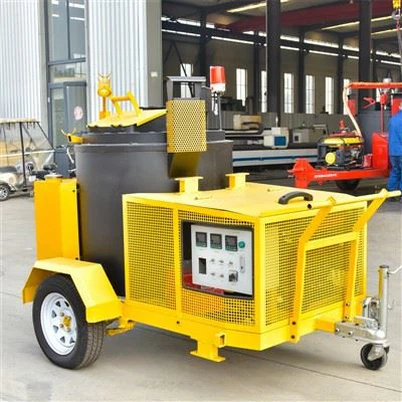
How does a small cleaning vehicle compare with manual cleaning in terms of cost?
Leave a message

In the realm of cleaning operations, the age - old method of manual cleaning has long been the norm. However, with the advent of modern technology, small cleaning vehicles have emerged as a viable alternative. As a supplier of small cleaning vehicles, I am well - positioned to delve into a comprehensive comparison of the costs associated with small cleaning vehicles and manual cleaning.
Initial Investment
When it comes to the initial investment, manual cleaning appears to be the more budget - friendly option at first glance. Manual cleaning mainly requires basic tools such as brooms, mops, dustpans, and cleaning solutions. These items are relatively inexpensive and can be easily purchased from local stores. The total cost of outfitting a manual cleaning crew with the necessary tools might range from a few hundred to a couple of thousand dollars, depending on the scale of the operation.
On the other hand, small cleaning vehicles come with a significantly higher upfront cost. A small cleaning vehicle, whether it is a Road Cleaning Vehicle designed for street cleaning or an indoor cleaning vehicle for large commercial spaces, can cost anywhere from several thousand to tens of thousands of dollars. The price depends on factors such as the vehicle's size, features, brand, and technology incorporated. For instance, a high - end small cleaning vehicle with advanced suction systems, automated cleaning functions, and long - lasting batteries will be more expensive than a basic model.
However, it is important to note that the initial investment in a small cleaning vehicle is a long - term asset. While the upfront cost is high, the vehicle can be used for many years with proper maintenance, amortizing the cost over its useful life. In contrast, manual cleaning tools need to be replaced regularly due to wear and tear, which adds to the long - term cost.
Labor Costs
Labor costs are a major component in both manual cleaning and small cleaning vehicle operations. Manual cleaning is highly labor - intensive. A large area requires a significant number of workers to complete the cleaning task in a reasonable amount of time. Workers need to be paid an hourly wage, and additional costs such as overtime pay, employee benefits (health insurance, paid leave, etc.), and training expenses also need to be considered.
As the minimum wage increases in many regions and the demand for skilled cleaning workers grows, labor costs for manual cleaning are on the rise. Moreover, manual cleaning is physically demanding work, which can lead to high turnover rates. Recruiting and training new employees to replace those who leave also incurs additional costs.
In the case of small cleaning vehicles, the labor requirement is significantly reduced. One operator can typically manage a small cleaning vehicle to cover a large area. This means that the number of employees needed for a cleaning operation is much lower. The operator's role mainly involves driving the vehicle, monitoring its functions, and performing basic maintenance tasks. While the operator may need to be trained to use the vehicle properly, the training cost is relatively low compared to the cost of training a large manual cleaning crew.
For example, in a large shopping mall, manual cleaning may require a team of 10 - 15 workers to clean the floors, corridors, and entrances every day. With a small cleaning vehicle, only 2 - 3 operators can achieve the same level of cleaning efficiency, resulting in substantial savings on labor costs.
Operational Costs
Operational costs include expenses such as fuel or electricity, cleaning supplies, and maintenance. In manual cleaning, the main operational costs are cleaning supplies such as detergents, disinfectants, and replacement mop heads and broom bristles. These costs can add up over time, especially for large - scale cleaning operations.
For small cleaning vehicles, the operational costs vary depending on the type of vehicle. Electric - powered small cleaning vehicles have lower fuel costs compared to their gasoline or diesel - powered counterparts. The cost of electricity is generally more stable and often cheaper than gasoline or diesel. Additionally, the cleaning supplies used in small cleaning vehicles are often more efficient and require less quantity. For example, some small cleaning vehicles are equipped with advanced filtration systems that can capture dust and debris more effectively, reducing the need for excessive use of cleaning chemicals.
Maintenance is another important aspect of operational costs. Manual cleaning tools are relatively easy to maintain, but they need to be replaced frequently. Small cleaning vehicles, on the other hand, require regular maintenance to ensure their proper functioning. This includes tasks such as checking the vehicle's battery, motor, cleaning brushes, and suction systems. However, most small cleaning vehicle manufacturers provide maintenance guidelines and after - sales services, which can help reduce the maintenance cost and ensure the vehicle's longevity.
Productivity and Efficiency
Productivity and efficiency have a direct impact on cost. Manual cleaning is a slow and time - consuming process. Workers need to move around the cleaning area, bend down, and perform repetitive motions, which limits the amount of area they can clean in a given time. This inefficiency can lead to longer cleaning hours and higher labor costs.
Small cleaning vehicles, on the other hand, are designed to be highly productive. They can cover a large area in a short period of time. For example, a Road Surface Maintenance Vehicle can clean a long stretch of road in a fraction of the time it would take a manual cleaning crew. The automated functions of small cleaning vehicles, such as automatic scrubbing, sweeping, and vacuuming, ensure a consistent and high - quality cleaning result.


In addition, small cleaning vehicles can work continuously for longer periods without getting tired, unlike manual cleaning workers. This means that they can complete cleaning tasks more quickly and efficiently, reducing the overall cost of the cleaning operation.
Long - Term Cost Analysis
When considering the long - term cost, small cleaning vehicles often prove to be more cost - effective than manual cleaning. Although the initial investment is high, the savings in labor costs, combined with the relatively stable operational costs over the vehicle's useful life, make the overall cost lower.
Over a period of 5 - 10 years, the cumulative cost of manual cleaning, including labor, tool replacement, and cleaning supplies, can be much higher than the cost of purchasing and operating a small cleaning vehicle. Moreover, as technology advances, small cleaning vehicles are becoming more energy - efficient, reliable, and easier to maintain, further reducing their long - term cost.
In conclusion, while manual cleaning may seem more affordable in the short term, small cleaning vehicles offer significant cost advantages in the long run. The higher initial investment is offset by lower labor costs, increased productivity, and more stable operational costs. If you are looking for a cost - effective and efficient cleaning solution, a small cleaning vehicle is definitely worth considering.
If you are interested in exploring the benefits of our small cleaning vehicles further or wish to discuss a potential purchase, we invite you to reach out for a detailed consultation. We can provide you with more information on our product range, including Road Repair Machine and other related equipment, and help you find the best solution for your specific cleaning needs.
References
- "Cleaning Industry Cost Analysis Report", Cleaning Industry Research Institute
- "The Future of Cleaning Technology", Journal of Environmental Science and Technology
- "Cost - Benefit Analysis of Manual vs. Automated Cleaning Methods", International Journal of Facility Management