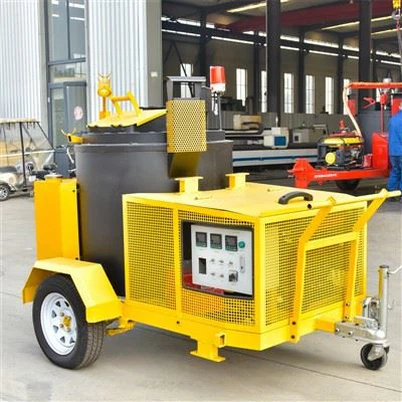
Are road sanitation vehicles equipped with cameras?
Leave a message

Are road sanitation vehicles equipped with cameras?
In today's era of advanced technology, the integration of cameras into various types of vehicles has become a prevalent trend. As a supplier of road sanitation vehicles, I often encounter inquiries from customers regarding whether our vehicles are equipped with cameras. This blog post aims to delve into this topic, exploring the benefits, considerations, and current practices related to camera - equipped road sanitation vehicles.
The Benefits of Equipping Road Sanitation Vehicles with Cameras
1. Enhanced Safety
One of the primary advantages of installing cameras on road sanitation vehicles is the significant improvement in safety. These vehicles often operate in complex road environments, where they need to interact with other road users, pedestrians, and various obstacles. Rear - view cameras, for example, can provide drivers with a clear view of the area behind the vehicle, reducing the risk of collisions when backing up. This is especially crucial as road sanitation vehicles are often large and have significant blind spots. With a camera system, drivers can detect pedestrians, cyclists, or other vehicles that may not be visible through the rear - view mirrors alone.
In addition, side - view cameras can help drivers monitor the adjacent lanes, ensuring safer lane changes and maneuvers. This is particularly important when the vehicle is operating on busy roads or in areas with heavy traffic. By providing a wider field of view, cameras can help prevent accidents and protect the safety of both the vehicle's occupants and other road users.
2. Operational Efficiency
Cameras can also contribute to the operational efficiency of road sanitation vehicles. For instance, front - view cameras can be used to monitor the area in front of the vehicle, allowing drivers to better assess the road conditions and plan their routes accordingly. This is especially useful when the vehicle is navigating through areas with potholes, debris, or other road hazards. By detecting these issues in advance, drivers can adjust their driving speed and avoid potential damage to the vehicle.
Moreover, cameras can be used to monitor the cleaning process. For example, cameras installed on the side or rear of the vehicle can provide real - time feedback on the effectiveness of the sweeping or washing operations. This allows operators to make immediate adjustments to the equipment settings, ensuring that the road is thoroughly cleaned and that the sanitation goals are met.
3. Accountability and Transparency
Equipping road sanitation vehicles with cameras can enhance accountability and transparency in the sanitation process. The recorded footage can be used to verify the completion of tasks, such as the cleaning of specific roads or areas. This is beneficial for both the vehicle operators and the management. For the operators, it provides a clear record of their work, which can be used for performance evaluation and training purposes. For the management, it allows them to monitor the operations remotely and ensure that the vehicles are being used effectively and efficiently.
In addition, the camera footage can be used as evidence in case of disputes or accidents. For example, if there is a claim of damage to a third - party property during the sanitation process, the recorded footage can be used to determine the cause and liability. This helps to resolve disputes quickly and fairly, reducing the potential for legal issues.
Considerations When Equipping Road Sanitation Vehicles with Cameras
1. Privacy Concerns
One of the main considerations when installing cameras on road sanitation vehicles is privacy. The cameras may capture the images of pedestrians, cyclists, and other road users, raising concerns about the collection and use of personal information. To address these concerns, it is important to comply with relevant privacy laws and regulations. For example, the cameras should be installed in a way that minimizes the capture of personal information, and the recorded footage should be stored securely and only accessed by authorized personnel.
2. Cost
The cost of installing and maintaining camera systems on road sanitation vehicles is another important consideration. Camera systems can be expensive, especially if they are high - quality and feature advanced functions such as night vision or high - definition recording. In addition, there are also costs associated with the storage and management of the recorded footage. As a supplier, we need to balance the benefits of camera - equipped vehicles with the cost implications for our customers. We offer a range of camera options with different features and price points to meet the diverse needs of our customers.
3. Technical Compatibility
Ensuring the technical compatibility of the camera systems with the road sanitation vehicles is also crucial. The cameras need to be integrated seamlessly with the vehicle's existing electrical and control systems. This requires careful planning and installation to ensure that the cameras function properly and do not interfere with the normal operation of the vehicle. Our technical team has extensive experience in integrating camera systems with various types of road sanitation vehicles, and we can provide professional installation and support services to our customers.
Current Practices in the Industry
In the road sanitation vehicle industry, the use of cameras is becoming increasingly common. Many of our customers are opting for camera - equipped vehicles to take advantage of the benefits mentioned above. Some of the popular camera models used in our vehicles include high - definition cameras with wide - angle lenses, which can provide clear and detailed images even in low - light conditions.


In addition, some of our vehicles are equipped with multiple cameras to provide a comprehensive view of the vehicle's surroundings. For example, a vehicle may be equipped with a front - view camera, rear - view camera, and side - view cameras to ensure maximum safety and operational efficiency.
Related Road Maintenance Vehicles
If you are also interested in other types of road maintenance vehicles, we offer a wide range of products, including Road Repair Vehicle, Multi Functional Ground Maintenance Vehicle, and Highway Maintenance Lorry. These vehicles are designed to meet the diverse needs of road maintenance and repair, and they are equipped with advanced technology and features to ensure high - quality performance.
Conclusion
In conclusion, equipping road sanitation vehicles with cameras offers numerous benefits, including enhanced safety, operational efficiency, and accountability. While there are some considerations to take into account, such as privacy concerns and cost, the advantages far outweigh the disadvantages. As a leading supplier of road sanitation vehicles, we are committed to providing our customers with high - quality vehicles that are equipped with the latest technology and features.
If you are interested in purchasing road sanitation vehicles or have any questions about our products, please feel free to contact us for a detailed discussion. We look forward to working with you to meet your road sanitation needs.
References
- "The Impact of Vehicle Camera Systems on Road Safety" - Journal of Transportation Safety
- "Enhancing Operational Efficiency in Road Sanitation through Technology" - International Journal of Sanitation Management
- "Camera - Based Monitoring Systems for Road Maintenance Vehicles" - Proceedings of the Road Maintenance Technology Conference