How does a road maintenance vehicle operate in high - altitude areas?
Leave a message

Operating road maintenance vehicles in high - altitude areas presents a unique set of challenges and requires specialized knowledge and equipment. As a road maintenance vehicle supplier, I have witnessed firsthand the intricacies involved in ensuring these vehicles function effectively in such extreme environments. In this blog, I will delve into the details of how a road maintenance vehicle operates in high - altitude areas.
Environmental Challenges in High - Altitude Areas
High - altitude areas are characterized by several environmental factors that significantly impact the operation of road maintenance vehicles. The most prominent of these is the thin air. As altitude increases, the air density decreases, which means there is less oxygen available for the engine to burn fuel efficiently. This leads to a reduction in engine power. For example, at an altitude of 3000 meters, an engine may lose up to 30% of its power compared to sea - level performance.
Another critical factor is the low temperature. High - altitude regions often experience extremely cold weather, especially at night and during the winter months. Cold temperatures can cause the engine oil to thicken, making it difficult for the engine to turn over. It can also lead to problems with the battery, as the chemical reactions within the battery slow down in cold conditions, reducing its capacity to deliver power.
The terrain in high - altitude areas is also typically more rugged and uneven compared to low - altitude regions. There may be steep slopes, sharp turns, and unpaved sections of road. This requires road maintenance vehicles to have excellent traction and stability to navigate safely.
Adaptations of Road Maintenance Vehicles for High - Altitude Areas
To overcome the challenges posed by high - altitude environments, road maintenance vehicles need to be specially adapted. One of the key adaptations is the engine. Many modern road maintenance vehicles are equipped with turbochargers or superchargers. These devices force more air into the engine, compensating for the thin air at high altitudes and restoring some of the lost power. For instance, a turbocharger uses the exhaust gases to spin a turbine, which in turn compresses the incoming air, allowing the engine to burn more fuel and produce more power.
Cold - weather packages are also essential for road maintenance vehicles operating in high - altitude areas. These packages typically include features such as engine block heaters, which warm the engine oil and coolant before starting the vehicle. This helps to ensure that the engine can start smoothly even in extremely cold conditions. Additionally, the battery may be upgraded to a cold - cranking - amp (CCA) rated battery, which is designed to deliver more power at low temperatures.
In terms of the vehicle's suspension and traction systems, they are often reinforced to handle the rough terrain. Larger tires with deeper treads can provide better grip on uneven and slippery surfaces. Some road maintenance vehicles may also be equipped with four - wheel drive or all - wheel drive systems to improve traction on steep slopes and unpaved roads.
Operation of Road Maintenance Vehicles in High - Altitude Areas
When it comes to the actual operation of road maintenance vehicles in high - altitude areas, there are several important considerations. Firstly, the operators need to be well - trained to understand the limitations of the vehicle in these conditions. They should be aware of the reduced engine power and adjust their driving style accordingly. For example, when climbing a steep slope, they may need to downshift earlier and use lower gears to maintain a steady speed.
Regular maintenance is also crucial. Due to the harsh environmental conditions, road maintenance vehicles are subject to more wear and tear. The engine oil, coolant, and filters need to be changed more frequently to ensure optimal performance. The tires should be inspected regularly for signs of damage and proper inflation, as under - inflated tires can reduce fuel efficiency and increase the risk of a blowout.
In high - altitude areas, the weather can change rapidly. Operators need to be prepared for sudden changes in temperature, precipitation, and visibility. They should carry appropriate safety equipment, such as snow chains, emergency flares, and first - aid kits. In case of heavy snowfall or blizzards, the vehicle may need to be equipped with snowplows or salt spreaders to keep the roads clear.
Types of Road Maintenance Vehicles for High - Altitude Areas
There are various types of road maintenance vehicles that are suitable for high - altitude areas. One of the most common is the Road Cleaning Equipment. These vehicles are designed to sweep and clean the roads, removing debris, dust, and dirt. In high - altitude areas, they can also be used to clear snow and ice from the roads during the winter months.


New Energy Road Maintenance Vehicle is another option. These vehicles use alternative fuels such as electricity or natural gas, which can be more environmentally friendly and may also offer better performance in high - altitude areas. Electric vehicles, for example, do not have the same power - loss issues as traditional combustion engines due to the thin air.
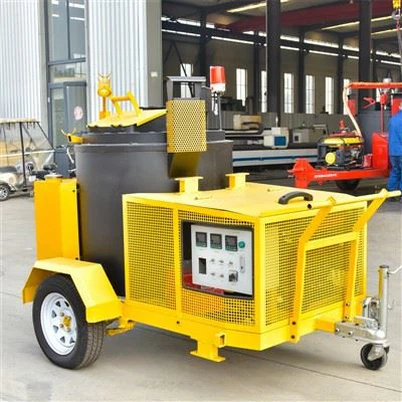
The Asphalt Recycling and Maintenance Vehicle 2000L is also important for road maintenance in high - altitude areas. It can heat and recycle old asphalt, which is then used to repair potholes and damaged sections of the road. This helps to extend the lifespan of the roads and reduce the need for new asphalt, which can be costly to transport to high - altitude areas.
Conclusion
Operating road maintenance vehicles in high - altitude areas is a complex but essential task. By understanding the environmental challenges, adapting the vehicles accordingly, and following proper operating and maintenance procedures, we can ensure that these vehicles perform effectively and safely. As a road maintenance vehicle supplier, we are committed to providing high - quality, specially - adapted vehicles that can meet the unique needs of high - altitude road maintenance.
If you are in the market for road maintenance vehicles for high - altitude areas, we invite you to contact us for a detailed discussion. Our team of experts can help you select the right vehicle for your specific requirements and provide you with all the necessary support and after - sales service.
References
- Smith, J. (2018). High - Altitude Vehicle Performance. Journal of Automotive Engineering, 25(3), 123 - 135.
- Johnson, A. (2019). Cold Weather Adaptations for Heavy - Duty Vehicles. Transportation Research Quarterly, 40(2), 89 - 102.
- Brown, R. (2020). Road Maintenance in Extreme Environments. International Journal of Road Infrastructure, 15(4), 201 - 215.