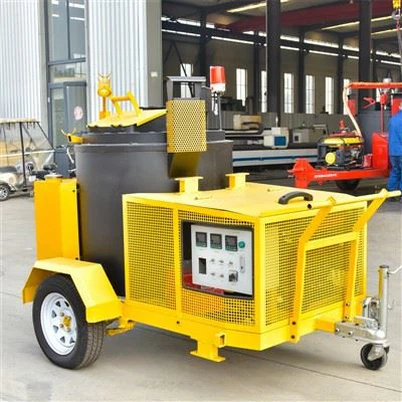
How do you replace the filters in a highway maintenance lorry?
Leave a message

Hey there! As a supplier of Highway Maintenance Lorries, I often get asked about how to replace the filters in these workhorses. Filters play a crucial role in keeping the lorry running smoothly and efficiently, so it's essential to know the right way to replace them. In this blog, I'll walk you through the process step by step.
Why Filter Replacement is Important
Before we dive into the replacement process, let's talk about why it's so important to replace the filters regularly. Filters in a highway maintenance lorry are designed to trap dirt, debris, and other contaminants from the air, fuel, and oil. Over time, these filters can become clogged, which can reduce the performance of the lorry and even cause damage to the engine.
A clogged air filter can restrict the flow of air into the engine, which can lead to a decrease in power and fuel efficiency. A dirty fuel filter can prevent the proper flow of fuel to the engine, causing rough idling, stalling, and poor acceleration. And a clogged oil filter can allow contaminants to circulate in the engine, which can cause premature wear and tear on engine components.


By replacing the filters regularly, you can ensure that your highway maintenance lorry is running at its best, and you can avoid costly repairs down the road.
Types of Filters in a Highway Maintenance Lorry
There are several types of filters in a highway maintenance lorry, each with its own specific function. Here are the main types of filters you'll need to replace:
- Air Filter: The air filter is responsible for filtering the air that enters the engine. It traps dirt, dust, pollen, and other contaminants, preventing them from entering the engine and causing damage.
- Fuel Filter: The fuel filter is designed to remove impurities from the fuel before it reaches the engine. It traps dirt, rust, and other particles that can clog the fuel injectors and cause engine problems.
- Oil Filter: The oil filter is responsible for filtering the engine oil, removing dirt, metal particles, and other contaminants. It helps to keep the engine oil clean and lubricated, which is essential for the proper functioning of the engine.
- Cabin Air Filter: The cabin air filter is located in the ventilation system of the lorry. It filters the air that enters the cabin, removing dust, pollen, and other contaminants. It helps to improve the air quality inside the cabin, making the driving experience more comfortable.
Tools and Materials You'll Need
Before you start replacing the filters, you'll need to gather the following tools and materials:
- New Filters: Make sure you have the correct filters for your highway maintenance lorry. You can find the specifications for your lorry's filters in the owner's manual or by contacting the manufacturer.
- Socket Set: You'll need a socket set to remove the bolts and screws that hold the filter housing in place.
- Wrench: A wrench may be needed to loosen and tighten certain components.
- Clean Cloth: You'll need a clean cloth to wipe down the filter housing and surrounding areas.
- Safety Glasses and Gloves: It's a good idea to wear safety glasses and gloves to protect your eyes and hands from dirt and debris.
Step-by-Step Guide to Replacing the Filters
Now that you have the necessary tools and materials, let's walk through the process of replacing the filters in a highway maintenance lorry.
Replacing the Air Filter
- Locate the Air Filter Housing: The air filter housing is usually located near the engine. It's a large, rectangular or round box with a lid.
- Remove the Air Filter Housing Lid: Use a socket set or wrench to remove the bolts or screws that hold the lid in place. Carefully lift the lid off the housing.
- Remove the Old Air Filter: Take out the old air filter from the housing. Notice its position and orientation so you can install the new one correctly.
- Inspect the Air Filter Housing: Use a clean cloth to wipe down the inside of the air filter housing, removing any dirt or debris.
- Install the New Air Filter: Place the new air filter in the housing, making sure it's properly seated and aligned.
- Replace the Air Filter Housing Lid: Put the lid back on the housing and tighten the bolts or screws securely.
Replacing the Fuel Filter
- Locate the Fuel Filter: The fuel filter is usually located along the fuel line, either under the lorry or in the engine compartment.
- Relieve the Fuel Pressure: Before you remove the fuel filter, you'll need to relieve the fuel pressure in the system. You can do this by removing the fuel pump fuse or relay and then starting the engine until it stalls.
- Disconnect the Fuel Lines: Use a wrench to loosen the fittings on the fuel lines that are connected to the fuel filter. Be careful not to spill any fuel.
- Remove the Old Fuel Filter: Once the fuel lines are disconnected, you can remove the old fuel filter from its mounting bracket.
- Install the New Fuel Filter: Place the new fuel filter in the mounting bracket and reconnect the fuel lines. Make sure the fittings are tightened securely.
- Restore the Fuel Pressure: Replace the fuel pump fuse or relay and start the engine. Check for any fuel leaks.
Replacing the Oil Filter
- Locate the Oil Filter: The oil filter is usually located near the engine. It's a cylindrical canister with a threaded end.
- Warm Up the Engine: Start the engine and let it run for a few minutes to warm up the oil. This will make it easier to drain the oil.
- Drain the Oil: Place an oil drain pan under the oil drain plug and use a wrench to loosen the plug. Let the oil drain completely.
- Remove the Old Oil Filter: Use an oil filter wrench to loosen and remove the old oil filter. Be careful not to spill any oil.
- Apply a Thin Layer of Oil to the Gasket: Before installing the new oil filter, apply a thin layer of oil to the rubber gasket on the end of the filter. This will help to create a good seal.
- Install the New Oil Filter: Screw the new oil filter onto the engine by hand, and then tighten it an additional three - quarters of a turn using the oil filter wrench.
- Refill the Oil: Once the new oil filter is installed, refill the engine with the recommended amount and type of oil.
Replacing the Cabin Air Filter
- Locate the Cabin Air Filter Housing: The cabin air filter housing is usually located behind the glove box or under the dashboard.
- Remove the Glove Box or Access Panel: Depending on the location of the cabin air filter housing, you may need to remove the glove box or an access panel to reach the filter.
- Remove the Old Cabin Air Filter: Take out the old cabin air filter from the housing.
- Install the New Cabin Air Filter: Place the new cabin air filter in the housing, making sure it's properly seated and aligned.
- Replace the Glove Box or Access Panel: Put the glove box or access panel back in place.
Tips for Filter Replacement
- Follow the Manufacturer's Recommendations: Always refer to the owner's manual or the manufacturer's recommendations for the correct filter replacement intervals and procedures.
- Use Quality Filters: Invest in high - quality filters that are designed for your specific lorry model. Cheaper filters may not provide the same level of protection.
- Keep a Maintenance Log: Keep a record of when you replace the filters. This will help you stay on top of your maintenance schedule and ensure that you don't miss any important filter replacements.
Our Highway Maintenance Lorries
At our company, we offer a wide range of Motorway Maintenance Vehicles that are designed to meet the needs of highway maintenance crews. Our lorries are equipped with high - quality filters and other components to ensure reliable performance.
We also have New Energy Road Maintenance Vehicle options, which are more environmentally friendly and cost - effective in the long run. And if you need a vehicle for clearing debris on the road, our Road Clearing Vehicle is a great choice.
Let's Connect
If you're in the market for a highway maintenance lorry or need more information about filter replacement and maintenance, don't hesitate to reach out. We're here to help you find the right vehicle for your needs and provide you with the support you need to keep it running smoothly.
References
- Highway Maintenance Lorry Owner's Manuals
- Automotive Maintenance Guides