Do small cleaning vehicles require special training to operate?
Leave a message

Do small cleaning vehicles require special training to operate?
As a supplier of small cleaning vehicles, I often encounter this question from potential customers. It's a valid concern, especially when considering the safety and efficiency of operating these machines. In this blog post, I'll delve into the topic and provide some insights based on my experience in the industry.
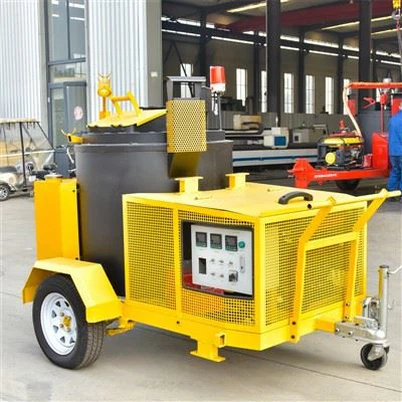
Firstly, let's understand what small cleaning vehicles are. These are compact, often battery - powered or small - engine vehicles designed for cleaning tasks in various settings such as parking lots, sidewalks, and small industrial areas. They come in different types, including sweepers, scrubbers, and vacuum cleaners.
The Case for Special Training
Safety Considerations
Operating any vehicle, no matter how small, involves a certain level of risk. Small cleaning vehicles are no exception. Special training can teach operators about the potential hazards associated with these machines. For example, some small sweepers have rotating brushes that can cause serious injuries if a hand or clothing gets caught in them. Training can educate operators on proper safety procedures, such as wearing appropriate personal protective equipment (PPE) like gloves and safety glasses.
Moreover, these vehicles are often used in areas with pedestrians and other vehicles. Operators need to be trained on traffic safety rules, especially when the cleaning is taking place near roads or in busy public areas. They should know how to use warning signs and signals correctly to prevent accidents.
Equipment Knowledge
Small cleaning vehicles are complex pieces of machinery with specific functions and controls. Special training can provide operators with in - depth knowledge of the vehicle's components, such as the engine, battery system, and cleaning mechanisms. For instance, understanding how to properly maintain the brushes on a sweeper or the suction system on a vacuum cleaner can significantly extend the lifespan of the equipment.
Training also covers the correct way to start, stop, and maneuver the vehicle. Different models may have different control layouts, and operators need to be familiar with these to ensure smooth operation. Without proper training, operators may misuse the controls, leading to inefficient cleaning and potential damage to the vehicle.
Cleaning Efficiency
One of the main goals of using small cleaning vehicles is to achieve high - quality cleaning results. Special training can teach operators the best cleaning techniques for different surfaces and environments. For example, the cleaning method for a smooth concrete floor may be different from that for a rough asphalt surface. Trained operators know how to adjust the cleaning settings, such as the brush pressure and water flow rate, to optimize the cleaning process.
They also learn how to plan their cleaning routes effectively, which can save time and energy. This is particularly important in large areas where a systematic approach is required to ensure that no areas are missed.
The Counter - Argument: Simplicity of Small Cleaning Vehicles
Some may argue that small cleaning vehicles are so simple to operate that special training is not necessary. After all, they are often designed with user - friendly interfaces and basic controls. In many cases, a brief demonstration by the supplier may be sufficient for an operator to get started.


For example, some battery - powered sweepers can be started with just a push of a button, and the steering is as easy as using a joystick. These vehicles are lightweight and highly maneuverable, making them accessible to a wide range of users.
However, while the basic operation may seem straightforward, there are still many aspects that require more in - depth knowledge. Even the simplest vehicles can pose risks if not used correctly, and achieving optimal cleaning results often goes beyond the basic functions.
Real - World Examples
In my experience as a supplier, I've seen the difference that special training can make. One of our customers, a small property management company, initially thought that their staff could operate the small cleaning vehicles without any formal training. They faced several issues in the first few weeks of using the vehicles. The cleaning was not thorough, and there were some minor accidents due to improper maneuvering.
After we provided a comprehensive training program, the situation improved significantly. The operators became more confident in using the vehicles, and the cleaning quality improved. The property management company also noticed a reduction in equipment maintenance costs as the operators were now taking better care of the vehicles.
Industry Standards and Regulations
In many regions, there are industry standards and regulations regarding the operation of cleaning vehicles. Some areas may require operators to have a certain level of training or certification to operate these machines legally. These regulations are in place to ensure the safety of operators, pedestrians, and the general public.
As a supplier, we always encourage our customers to comply with these regulations. We also offer training programs that are designed to meet or exceed the industry standards.
Conclusion
In conclusion, while small cleaning vehicles may appear simple to operate, special training is highly recommended. It enhances safety, improves equipment knowledge, and increases cleaning efficiency. As a supplier, we are committed to providing our customers with the necessary training and support to ensure that they get the most out of our products.
If you are interested in purchasing Road Cleaning Vehicle, Highway Maintenance Vehicle, or Road Surface Maintenance Vehicle, and would like to learn more about our training programs, please don't hesitate to reach out to us. We are here to assist you with all your cleaning vehicle needs and look forward to the opportunity to discuss a potential purchase and training plan with you.
References
- "Safety Guidelines for Cleaning Vehicle Operators", National Cleaning Equipment Association
- "Best Practices in Small Cleaning Vehicle Operation", International Cleaning Industry Journal
- "Training Programs for Cleaning Equipment Operators", Local Regulatory Authorities