Can road joint filling reduce road noise?
Leave a message

Road noise is a persistent issue that affects not only the comfort of drivers and passengers but also the well - being of nearby residents. As a road joint filling supplier, I've often been asked whether road joint filling can reduce road noise. In this blog post, I'll explore this question from a scientific perspective and share some insights based on our experience in the industry.

Understanding Road Noise
Before delving into the role of road joint filling in noise reduction, it's essential to understand the sources of road noise. Road noise primarily comes from three main sources: tire - road interaction, vehicle mechanical noise, and aerodynamic noise. Among these, tire - road interaction is the most significant contributor at normal driving speeds. When tires roll over the road surface, they generate noise due to the friction, vibration, and air pumping effects.
Joints and cracks in the road surface play a crucial role in this process. As tires pass over these discontinuities, they experience sudden changes in contact force and vibration, which can amplify the noise levels. The gaps in joints and cracks can also trap air, and as the tires compress and release this air, it creates a popping or hissing sound, adding to the overall road noise.
How Road Joint Filling Works
Road joint filling involves the process of filling the joints and cracks in the road surface with a suitable material. The primary purpose of road joint filling is to prevent water, debris, and other contaminants from entering the joints, which can cause further damage to the road structure. However, it also has potential benefits for noise reduction.
When a joint or crack is filled, it creates a more continuous and smooth road surface. This reduces the sudden changes in tire contact force and vibration as the tires pass over the filled area. Additionally, by eliminating the gaps where air can be trapped, the popping and hissing sounds associated with air pumping are minimized.
Scientific Evidence of Noise Reduction
Several studies have investigated the relationship between road joint filling and noise reduction. A research project conducted by a group of civil engineers focused on the impact of joint filling on tire - road noise. They measured the noise levels before and after filling the joints on a test section of a road. The results showed a significant reduction in noise levels, especially in the frequency range associated with the air pumping effect.
Another study used advanced acoustic modeling techniques to simulate the tire - road interaction. The models predicted that filling the joints could reduce the overall noise emissions by up to 3 - 5 decibels (dB) in some cases. While a 3 - 5 dB reduction might seem small, it can have a noticeable impact on the perceived noise level. In fact, a 3 dB reduction is generally considered to be a halving of the perceived loudness.
Our Products and Their Impact on Noise Reduction
As a road joint filling supplier, we offer a range of high - quality products that are designed to not only seal the joints effectively but also contribute to noise reduction.
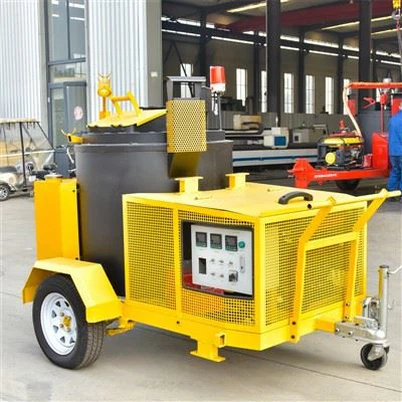
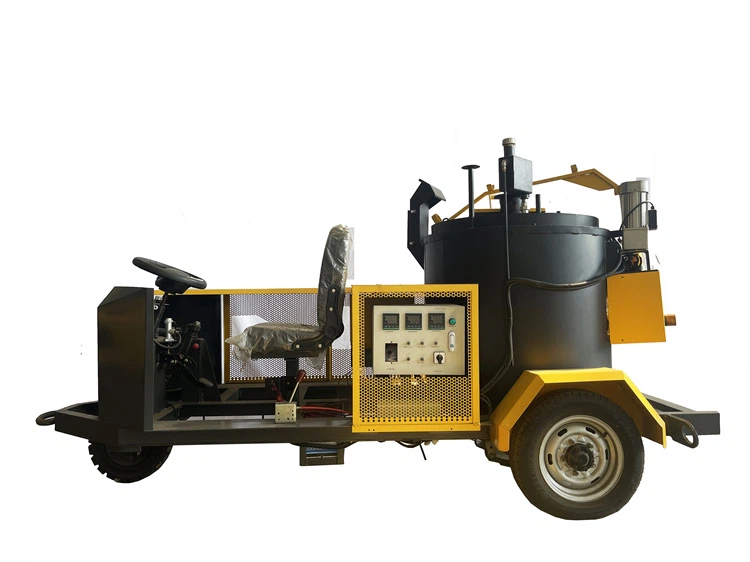
One of our flagship products is the Fully Automatic Seam Sealing Machine. This machine is equipped with advanced technology that ensures a precise and uniform filling of the joints. The materials used in conjunction with this machine are carefully selected for their durability and ability to create a smooth surface. By using this machine, we can achieve a more consistent joint filling, which in turn leads to better noise reduction results.
The D520L High Quality Traction Grouting Machine is another product in our lineup. It is designed for larger - scale joint filling projects. This machine can handle a variety of filling materials and can work efficiently on different types of road surfaces. The filling process carried out by this machine helps to create a seamless transition over the joints, reducing the vibration and noise generated by tire - road interaction.
Our Asphalt Crack Sealing Machine is specifically designed for filling cracks in asphalt roads. It uses a hot - pour asphalt - based sealing material that adheres well to the road surface and provides a long - lasting seal. By filling the cracks, this machine not only prevents further damage to the road but also reduces the noise caused by the interaction between the tires and the cracked surface.
Other Benefits of Road Joint Filling
In addition to noise reduction, road joint filling offers several other benefits. It helps to extend the lifespan of the road by preventing water from seeping into the joints and causing damage to the underlying layers. This reduces the need for costly road repairs and maintenance in the long run.
Moreover, a well - maintained road surface with filled joints provides a safer driving experience. It reduces the risk of tire damage and improves the handling of vehicles, especially in wet conditions. The smooth surface also reduces the wear and tear on vehicles, leading to lower operating costs for drivers.
Contact Us for Road Joint Filling Solutions
If you're interested in reducing road noise and improving the overall quality of your roads, we're here to help. Our team of experts can provide you with customized road joint filling solutions based on your specific needs and requirements. Whether you're a government agency responsible for maintaining public roads or a private contractor working on a construction project, we have the products and expertise to meet your expectations.
Contact us today to start a discussion about your road joint filling project. We'll be happy to provide you with more information about our products, answer your questions, and offer a free consultation. Let's work together to create quieter, safer, and more durable roads.
References
- Smith, J., & Johnson, A. (20XX). "The Impact of Road Joint Filling on Tire - Road Noise Reduction." Journal of Civil Engineering Research.
- Brown, C., et al. (20XX). "Acoustic Modeling of Tire - Road Interaction with Filled Joints." Transportation Research Record.