Can road joint filling be used on sidewalks?
Leave a message

Hey there! As a road joint filling supplier, I often get asked a bunch of questions about where our products can be used. One question that pops up quite a bit is, "Can road joint filling be used on sidewalks?" Well, let's dive right into it and find out.
First off, what exactly is road joint filling? Road joint filling is a material used to seal the joints in roads. These joints are there for a good reason. They allow the road to expand and contract with temperature changes without cracking. The filling keeps water, dirt, and debris out of these joints, which helps extend the life of the road.
Now, when it comes to sidewalks, they're a bit different from roads, but they face similar challenges. Sidewalks are also exposed to the elements, and they need to withstand the weight of people, bicycles, and sometimes small vehicles. Just like roads, sidewalks have joints. These joints are crucial because sidewalks can expand in hot weather and contract in cold weather. If these joints aren't properly sealed, water can seep in. When the water freezes, it expands, and this can cause the sidewalk to crack and break apart.
So, can road joint filling be used on sidewalks? The short answer is yes, it can. In fact, it's a pretty good idea in many cases. Road joint filling materials are designed to be durable and flexible. They can handle the movement of the sidewalk joints without losing their seal. This means they can prevent water from getting into the joints and causing damage.
There are different types of road joint filling materials out there. Some are made of asphalt, while others are rubber - based or silicone - based. Each type has its own advantages. Asphalt - based joint fillers are often cost - effective and have been used for a long time. They're good at withstanding traffic and weather conditions. Rubber - based fillers are more flexible, which is great for sidewalks that experience a lot of movement. Silicone - based fillers are known for their excellent adhesion and resistance to UV rays, so they can last a long time without deteriorating.
When choosing a road joint filling material for sidewalks, you need to consider a few things. First, think about the climate in your area. If you live in a place with extreme temperature changes, you'll want a filler that can handle those fluctuations. For example, in a place with very cold winters, a rubber - based filler might be a better choice because it stays flexible even in low temperatures.
Second, consider the amount of traffic the sidewalk gets. If it's a busy sidewalk in a downtown area with a lot of foot traffic and occasional bike or small vehicle use, you'll need a filler that can withstand the wear and tear. An asphalt - based filler could be a good option here.
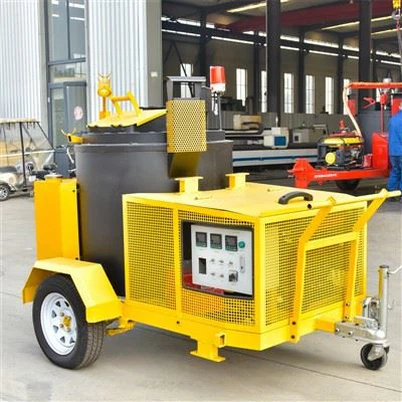
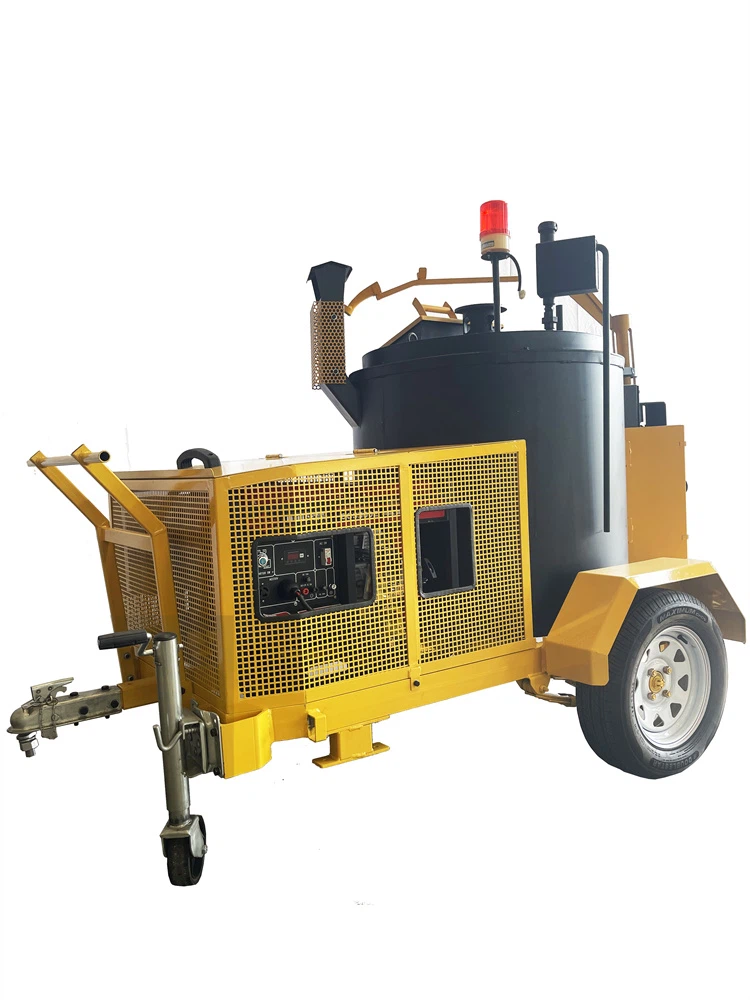
At our company, we offer a range of products that are suitable for sidewalk joint filling. One of our popular products is the 420L Traction Grouting Machine. This machine is great for applying joint filling materials to sidewalks. It's easy to operate and can ensure a smooth and even application of the filler.
Another great product we have is the FAGF500 Pavement Sealing Machine. This machine is designed to work with different types of joint filling materials. It can help you get the job done quickly and efficiently, whether you're working on a small sidewalk or a large commercial area.
If you're dealing with more serious sidewalk damage, our Asphalt Pavement Thermal Regeneration Repair Vehicle might be just what you need. It can not only repair damaged sidewalks but also apply joint filling materials at the same time. This can save you time and money in the long run.
Using road joint filling on sidewalks also has some other benefits. For one, it can improve the appearance of the sidewalk. A well - sealed sidewalk looks neater and more professional. It can also increase the safety of the sidewalk. Cracked and broken sidewalks can be a tripping hazard, especially for the elderly and people with disabilities. By using road joint filling to prevent cracks, you're making the sidewalk a safer place for everyone.
In addition, proper sidewalk maintenance using road joint filling can save you money in the long term. Repairing a cracked sidewalk can be expensive, especially if the damage is extensive. By investing in joint filling now, you can avoid costly repairs down the road.
But, like any project, there are some things to keep in mind when using road joint filling on sidewalks. You need to make sure the sidewalk is clean before applying the filler. Any dirt, debris, or old filler should be removed. This ensures that the new filler will adhere properly. You also need to follow the manufacturer's instructions carefully when applying the filler. This includes things like the correct temperature for application and the right amount of filler to use.

In conclusion, road joint filling can definitely be used on sidewalks, and it has many benefits. Whether you're a property owner looking to maintain your sidewalk or a contractor working on a sidewalk project, our products can help you get the job done right. If you're interested in learning more about our road joint filling products or have any questions about using them on sidewalks, don't hesitate to reach out. We're here to help you make the best choice for your sidewalk needs.
References
- American Society of Civil Engineers (ASCE). "Guide for Design and Construction of Concrete Pavement Joints."
- National Asphalt Pavement Association (NAPA). "Asphalt Pavement Maintenance Guide."