Are road repair vehicles easy to operate?
Leave a message

As a supplier of road repair vehicles, I've heard a wide range of questions from potential customers, and one that comes up quite often is, "Are road repair vehicles easy to operate?" This is a crucial question, as the complexity of operation can significantly impact the efficiency and cost - effectiveness of road repair projects. In this blog, I'll delve into this topic and share my insights based on years of experience in the road repair vehicle industry.
The Design Aspect: Built for Ease of Use
Modern road repair vehicles are designed with user - friendliness in mind. Manufacturers understand that operators may come from diverse backgrounds, not all with extensive technical knowledge. For example, many of the controls in our road repair vehicles are intuitive. The dashboard layout is carefully planned to ensure that all the essential functions are within easy reach of the operator. Gauges and indicators are clearly labeled, making it simple for the operator to monitor the vehicle's performance, such as fuel levels, engine temperature, and the status of the repair equipment.
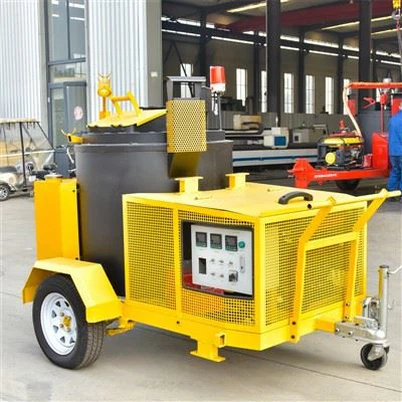
Our Road Repair Machine is a prime example. It features a touch - screen control panel that allows operators to adjust various parameters with just a few taps. Whether it's setting the temperature of the asphalt heater or controlling the speed of the material dispenser, the interface is designed to be straightforward and easy to understand. This reduces the learning curve for new operators and enables them to start working effectively in a relatively short period.
Training and Support
Even though road repair vehicles are designed to be easy to operate, proper training is still essential. As a supplier, we offer comprehensive training programs for our customers. Our training sessions cover everything from basic vehicle operation to advanced maintenance procedures. We believe that well - trained operators are the key to the successful use of our road repair vehicles.
During the training, our experienced technicians will guide the operators through every aspect of the vehicle. They'll demonstrate how to start and stop the vehicle safely, how to perform pre - operation checks, and how to troubleshoot common issues. We also provide hands - on training, allowing the operators to practice using the vehicle in a real - world scenario. This practical experience is invaluable, as it gives the operators the confidence they need to operate the vehicle independently.
In addition to initial training, we also offer ongoing support. Our technical support team is available 24/7 to answer any questions that the operators may have. Whether it's a simple question about a control setting or a more complex technical problem, our team will provide prompt and accurate solutions. This support system ensures that our customers can always rely on their road repair vehicles, even in challenging situations.
Adaptability to Different Operators
Another factor that contributes to the ease of operation of road repair vehicles is their adaptability. Our vehicles are designed to accommodate operators of different skill levels and physical abilities. For example, the seats in our road repair vehicles are adjustable, allowing operators of different heights and body types to find a comfortable driving position. The controls are also ergonomically designed, reducing fatigue during long - hours of operation.
Moreover, our road repair vehicles are equipped with advanced safety features that make them easier to operate, especially for less - experienced operators. Features such as automatic braking systems and collision avoidance sensors help prevent accidents and provide an extra layer of safety. These safety features not only protect the operators but also make the vehicles more user - friendly.
Comparison with Other Road Maintenance Equipment
When compared to other types of road maintenance equipment, road repair vehicles are generally easier to operate. Take Road Cleaning Equipment for example. Road cleaning equipment often requires operators to handle multiple functions simultaneously, such as controlling the water spray, the suction system, and the brush rotation. This can be quite complex and may require a high level of skill and concentration.
In contrast, road repair vehicles are more focused on a single task: road repair. The operations are more streamlined, and the controls are more centralized. For instance, our High Pressure Road Maintenance Vehicle is designed to perform high - pressure cleaning and repair tasks with a relatively simple set of controls. The operator doesn't need to juggle multiple functions at once, making it easier to operate.
Challenges and Solutions
Of course, operating road repair vehicles is not without its challenges. One of the main challenges is dealing with different road conditions. For example, repairing roads in mountainous areas or in extreme weather conditions can be more difficult than working on flat, dry roads. However, our road repair vehicles are designed to be versatile and adaptable. They are equipped with powerful engines and advanced suspension systems that can handle rough terrains.
In addition, we provide our customers with detailed operating guidelines for different road conditions. These guidelines offer practical advice on how to adjust the vehicle's settings and operating procedures to ensure optimal performance. For example, when working on a wet road, the operator may need to adjust the speed of the material dispenser to prevent the asphalt from being washed away. Our guidelines will provide clear instructions on how to make these adjustments.
Cost - Efficiency and Ease of Operation
The ease of operation of road repair vehicles also has a significant impact on cost - efficiency. When a vehicle is easy to operate, it reduces the need for highly skilled and expensive operators. This can result in significant cost savings for road repair contractors. Additionally, easy - to - operate vehicles are less likely to be involved in accidents, which can save on repair costs and downtime.
Moreover, the reduced learning curve means that new operators can start working more quickly, increasing the overall productivity of the road repair project. This increased productivity can lead to faster project completion times and potentially higher profits for the contractors.


Conclusion
In conclusion, road repair vehicles are indeed easy to operate. Thanks to their user - friendly design, comprehensive training and support, adaptability, and cost - efficiency, they offer a practical solution for road repair projects. Whether you're a small - scale contractor or a large - scale infrastructure developer, our road repair vehicles can meet your needs.
If you're interested in learning more about our road repair vehicles or would like to discuss a potential purchase, please don't hesitate to contact us. We're always ready to provide you with detailed information and help you find the best road repair vehicle for your specific requirements.
References
- Industry reports on road repair vehicle design and operation
- Manufacturer's manuals and technical specifications for our road repair vehicles
- Customer feedback and case studies on the use of our road repair vehicles