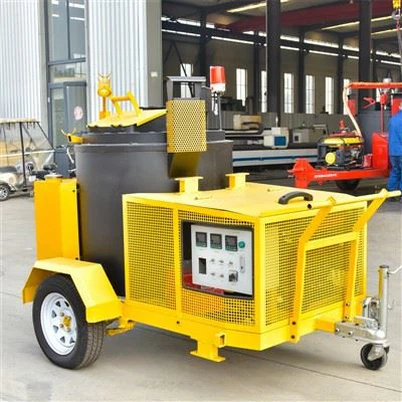
What safety features does a road cleaning vehicle have?
Leave a message

Road cleaning vehicles play a crucial role in maintaining the cleanliness and safety of our roadways. As a leading supplier of road cleaning vehicles, we understand the importance of equipping these machines with advanced safety features to protect both the operators and the public. In this blog post, we will explore the various safety features that our road cleaning vehicles are equipped with.
Visibility Enhancement Features
One of the primary safety concerns when operating a road cleaning vehicle is visibility. These vehicles often work in busy traffic conditions, and it is essential that they are easily visible to other road users. To address this issue, our road cleaning vehicles are equipped with a range of visibility enhancement features.
High - Intensity Lighting
Our vehicles are fitted with high - intensity LED lights. These lights are strategically placed around the vehicle, including on the front, rear, and sides. The bright and focused illumination not only helps the operator to see clearly during early morning, late evening, or night - time operations but also makes the vehicle highly visible to other motorists. For example, the front lights can illuminate the road ahead, allowing the operator to spot obstacles such as potholes or debris, while the rear and side lights make the vehicle stand out in traffic, reducing the risk of rear - end or side - impact collisions.
Reflective Markings
Reflective markings are another important visibility feature. They are applied to the body of the vehicle in a pattern that is designed to catch the light from other vehicles' headlights. These markings are highly reflective, even in low - light conditions, making the road cleaning vehicle more noticeable from a distance. Whether it's a large strip along the side of the vehicle or smaller reflective dots on the corners, these markings significantly improve the vehicle's visibility, especially when viewed from different angles.
Collision Avoidance Systems
Collision avoidance is a top priority in the design of our road cleaning vehicles. We have incorporated several advanced systems to help prevent accidents.
Radar - Based Systems
Radar - based collision avoidance systems are installed on our vehicles. These systems use radar sensors to detect the distance and relative speed of objects in front of, behind, and on the sides of the vehicle. If the system detects that a collision is imminent, it can automatically apply the brakes or alert the operator with a visual and audible warning. For instance, when the vehicle is reversing, the radar system can detect if there is a pedestrian or another vehicle in the path, and immediately notify the operator to stop the vehicle.
Camera Systems
Multiple cameras are installed on our road cleaning vehicles to provide the operator with a 360 - degree view of the vehicle's surroundings. These cameras are connected to a monitor inside the cab, allowing the operator to see blind spots that would otherwise be difficult to observe. For example, cameras can be placed at the rear, sides, and front of the vehicle to show areas such as the area directly behind the vehicle when backing up or the space next to the sweeping brushes. This helps the operator to avoid hitting other vehicles, pedestrians, or stationary objects.
Operator Safety Features
The safety of the vehicle operator is of utmost importance. Our road cleaning vehicles are designed with several features to protect the operator during operation.
Ergonomic Cab Design
The cab of our road cleaning vehicles is designed with ergonomics in mind. The seats are adjustable and provide good lumbar support, reducing the risk of back pain during long - hours of operation. The controls are also placed within easy reach of the operator, allowing for comfortable and efficient operation. Additionally, the cab is well - insulated to reduce noise and vibration, creating a more comfortable working environment for the operator.
Rollover Protection
To protect the operator in the event of a rollover, our vehicles are equipped with rollover protection structures (ROPS). These structures are designed to withstand the forces exerted during a rollover and provide a safe space for the operator. They are made of strong and durable materials, such as high - strength steel, and are integrated into the design of the vehicle's cab.
Stability and Traction Features
Maintaining stability and traction is crucial for the safe operation of road cleaning vehicles, especially when they are working on uneven or slippery surfaces.
Anti - Lock Braking System (ABS)
Our road cleaning vehicles are equipped with an anti - lock braking system (ABS). This system prevents the wheels from locking up during braking, which helps to maintain steering control and reduce the stopping distance. When the operator applies the brakes, the ABS continuously monitors the wheel speed and adjusts the braking pressure to each wheel accordingly. This is particularly important on wet or icy roads, where locked wheels can cause the vehicle to skid and lose control.
Traction Control System (TCS)
A traction control system is also installed on our vehicles. The TCS monitors the wheel speed and can detect when a wheel is starting to spin due to a lack of traction. When this happens, the system can automatically reduce engine power or apply the brakes to the spinning wheel, transferring the power to the wheels with better traction. This helps the vehicle to maintain stability and move forward safely, even on slippery or uneven surfaces.
Safety Features for Roadside Workers
In addition to protecting the vehicle operator and other road users, our road cleaning vehicles are also designed to enhance the safety of roadside workers.
Automatic Warning Systems for Workers
Our vehicles are equipped with automatic warning systems that can alert roadside workers when the vehicle is approaching. These systems can use wireless technology to send a signal to a receiver worn by the workers. When the vehicle gets within a certain distance, the receiver will emit a warning sound or vibration, notifying the workers to be cautious.


Safe Working Distance Sensors
Safe working distance sensors are installed on the cleaning equipment of the vehicle. These sensors can detect the distance between the cleaning brushes or other equipment and the roadside workers. If the distance gets too close, the sensors can automatically stop the operation of the equipment or alert the operator to adjust the position of the vehicle, ensuring the safety of the workers.
Conclusion
As a supplier of [link text="Road Sanitation Vehicle" url="/road-maintenance-vehicle/road-sanitation-vehicle.html"], [link text="Highway Maintenance Vehicle" url="/road-maintenance-vehicle/highway-maintenance-vehicle.html"], and [link text="Road Surface Maintenance Vehicle" url="/road-maintenance-vehicle/road-surface-maintenance-vehicle.html"], we are committed to providing vehicles with the highest level of safety features. From visibility enhancement to collision avoidance, operator safety, and protection of roadside workers, our road cleaning vehicles are designed to meet the strictest safety standards.
If you are in the market for a reliable and safe road cleaning vehicle, we invite you to contact us for more information and to discuss your specific requirements. Our team of experts is ready to assist you in finding the perfect vehicle for your road cleaning needs.
References
- Automotive Safety Handbook, 3rd Edition, Society of Automotive Engineers (SAE)
- Road Vehicle Safety Standards and Regulations, International Organization for Standardization (ISO)
- Best Practices in Road Cleaning Vehicle Design and Safety, National Highway Traffic Safety Administration (NHTSA)