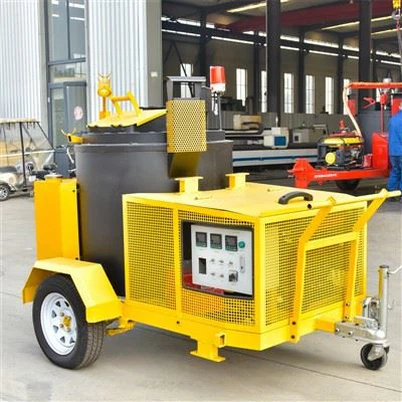
What is the storage temperature range for a road sanitation vehicle?
Leave a message

As a leading supplier of road sanitation vehicles, understanding the optimal storage temperature range for these vehicles is crucial. It not only affects the longevity and performance of the vehicles but also ensures that they are ready for operation when needed. In this blog, we will explore the ideal storage temperature range for road sanitation vehicles and the reasons behind it.
Importance of Storage Temperature
The storage temperature of road sanitation vehicles plays a vital role in maintaining their mechanical and electrical components. Extreme temperatures can cause various problems, such as fluid thickening or thinning, rubber and plastic component degradation, and battery performance issues. For instance, in cold temperatures, the engine oil can become too thick, making it difficult for the engine to start and increasing wear on engine parts. On the other hand, high temperatures can cause the oil to break down more quickly, reducing its lubricating properties.
Ideal Storage Temperature Range
The ideal storage temperature range for most road sanitation vehicles is between -20°C to 40°C (-4°F to 104°F). This range allows the vehicle's components to function properly and minimizes the risk of damage.
Cold Temperature Effects
When the temperature drops below -20°C, several issues can arise. The battery's capacity decreases significantly, as the chemical reactions inside the battery slow down in cold conditions. This can lead to difficulty starting the vehicle. Additionally, the fuel lines and filters can freeze, preventing the proper flow of fuel to the engine. The rubber seals and hoses can also become brittle and crack, leading to leaks.
High Temperature Effects
At temperatures above 40°C, the vehicle's cooling system has to work harder to keep the engine at a safe operating temperature. This can lead to overheating, which can cause serious damage to the engine. The plastic and rubber components can also soften and deform, affecting the vehicle's performance and safety. Moreover, high temperatures can cause the battery to lose water and overheat, reducing its lifespan.

Precautions for Different Temperatures
Cold Weather Precautions
- Battery Maintenance: Keep the battery fully charged and use a battery warmer if necessary. Check the battery terminals for corrosion and clean them regularly.
- Fuel System: Use a fuel additive to prevent fuel line freezing. Keep the fuel tank at least half full to reduce the risk of condensation.
- Lubrication: Use a cold-weather grade oil that is designed to flow easily at low temperatures.
- Rubber Components: Inspect the rubber seals and hoses for damage and replace them if necessary.
Hot Weather Precautions
- Cooling System: Check the coolant level regularly and top it up if needed. Inspect the radiator and cooling fans for any blockages or damage.
- Battery: Check the battery water level and add distilled water if necessary. Keep the battery in a cool place.
- Tire Pressure: Check the tire pressure regularly, as high temperatures can cause the tire pressure to increase. Adjust the tire pressure to the recommended level.
Our Road Sanitation Vehicle Models
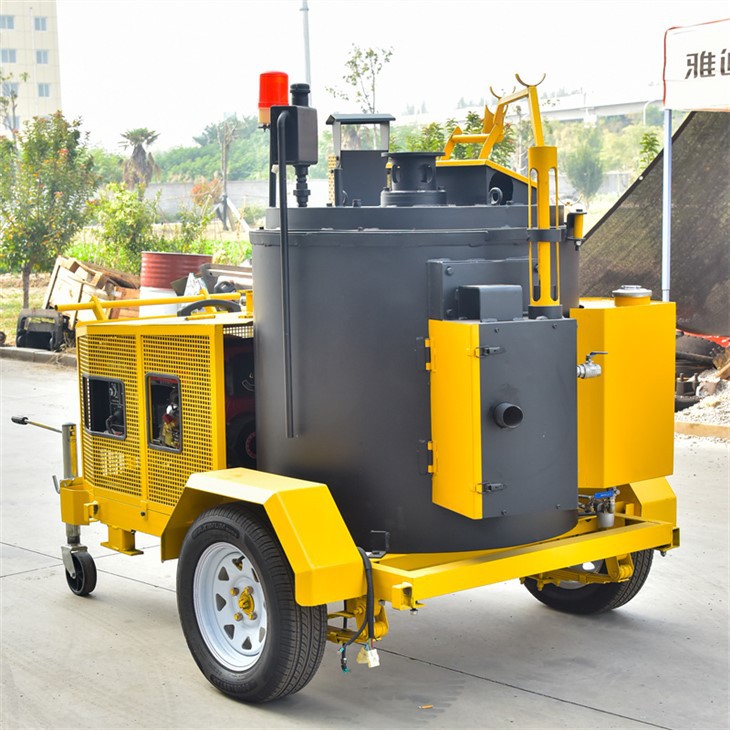
We offer a wide range of road sanitation vehicles, including the Asphalt Curing Vehicle 800L, the Asphalt Recycling and Maintenance Vehicle 2000L, and the Electric Four-wheel Road Maintenance Vehicle. These vehicles are designed to operate in a variety of temperature conditions, but proper storage and maintenance are still essential to ensure their optimal performance.
Contact Us for Purchase and Consultation
If you are interested in purchasing a road sanitation vehicle or have any questions about their storage and maintenance, please feel free to contact us. Our team of experts is ready to assist you in finding the right vehicle for your needs and providing you with the necessary support and advice.
References
- SAE International. (2023). Vehicle Storage and Maintenance Guidelines.
- Automotive Service Association. (2023). Best Practices for Vehicle Storage in Extreme Temperatures.