What is the storage capacity of a Highway Maintenance Car for road materials?
Leave a message

Hey there! As a supplier of Highway Maintenance Cars, I often get asked about the storage capacity of these bad boys for road materials. It's a crucial aspect, especially when you're out on the highways, dealing with various maintenance tasks. So, let's dive right in and explore what the storage capacity of a Highway Maintenance Car for road materials really means.


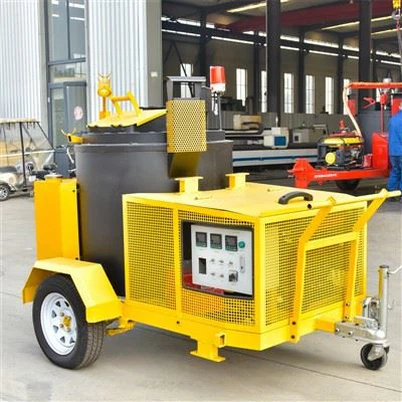
First off, we need to understand that different types of road materials require different storage setups. For example, asphalt is one of the most commonly used materials for road repair. It's thick, sticky, and needs to be stored at a specific temperature to maintain its workability. Most Highway Maintenance Cars designed for asphalt storage come with insulated tanks. These tanks can range in size depending on the model and the intended use of the vehicle.
Smaller Highway Maintenance Cars might have an asphalt storage capacity of around 200 - 300 liters. These are great for minor road repairs, like filling small potholes in local streets or on less - traveled roads. They're more maneuverable and can access tight spaces easily. On the other hand, larger models can store anywhere from 500 liters up to 1000 liters or more. These are the workhorses for major highway projects, where large amounts of asphalt are needed to cover big areas or to perform extensive repairs.
Another important road material is gravel. Gravel is used for a variety of purposes, such as creating a base layer for new roads or filling in uneven areas. Highway Maintenance Cars that carry gravel usually have a hopper system. The storage capacity of these hoppers can vary widely. Smaller ones might hold around 1 - 2 cubic meters of gravel, while larger vehicles can handle 5 cubic meters or more. The size of the hopper depends on factors like the vehicle's overall size, its intended use (local roads vs. highways), and the frequency of refilling.
Sand is also a key road material, often used for traction on icy roads during winter or for mixing with other materials. The storage capacity for sand in Highway Maintenance Cars can be similar to that of gravel. Smaller cars may have a sand storage unit that can hold about 0.5 - 1 cubic meter, while larger ones can store 3 - 5 cubic meters. Some vehicles are equipped with specialized sand spreaders that can evenly distribute the sand on the road surface, and the size of the storage unit is designed to match the spreading capacity of these spreaders.
Now, let's talk about the importance of storage capacity. Having an appropriate storage capacity is essential for efficient road maintenance. If a vehicle has too small a storage capacity, it will need to make frequent trips back to the supply depot for refilling. This not only wastes time but also increases fuel consumption and overall operational costs. On the other hand, if the storage capacity is too large, the vehicle might be over - sized and less maneuverable, which can be a problem in some situations, especially in urban areas or on narrow roads.
At our company, we offer a wide range of Highway Maintenance Cars with different storage capacities to meet the diverse needs of our customers. Whether you're a local municipality looking after a few miles of city roads or a large construction company working on major highway projects, we've got the right vehicle for you.
For those interested in more specialized vehicles, we also have the Greening Comprehensive Maintenance Vehicle. This vehicle is designed not only for road maintenance but also for greening and landscaping along the roadsides. It has separate storage compartments for different types of materials, including fertilizers, seeds, and water, to ensure proper care of the green areas.
If you're specifically looking for a vehicle to handle asphalt curing, our Asphalt Curing Vehicle 800L is a great option. With its 800 - liter storage capacity, it can carry enough asphalt for medium - sized road repair jobs. It's equipped with advanced heating and mixing systems to keep the asphalt in the right condition throughout the repair process.
And for those focused on road cleaning, our Road Cleaning Equipment is top - notch. These vehicles come with various storage capacities for collecting debris, dust, and other waste materials from the road surface. They're designed to be efficient and reliable, ensuring that the roads stay clean and safe for everyone.
When choosing a Highway Maintenance Car, it's important to consider your specific requirements. Think about the types of road materials you'll be using most often, the size of the projects you'll be working on, and the terrain you'll be operating in. Our team of experts is always here to help you make the right choice.
If you're in the market for a Highway Maintenance Car and want to learn more about our products and their storage capacities, don't hesitate to get in touch. We're ready to have a detailed discussion with you about your needs and find the perfect vehicle for your road maintenance operations. Whether you need a small, nimble car for local jobs or a large, heavy - duty vehicle for major highway projects, we can provide you with the best solutions.
In conclusion, the storage capacity of a Highway Maintenance Car for road materials is a critical factor that can significantly impact the efficiency and effectiveness of road maintenance work. By choosing the right vehicle with the appropriate storage capacity, you can save time, money, and resources while ensuring high - quality road repairs and maintenance.
References
- Industry reports on Highway Maintenance Vehicles
- Manufacturer's specifications for various Highway Maintenance Car models