What is the shock - absorption system of a highway maintenance car?
Leave a message

As a reputable supplier of highway maintenance cars, I am often asked about the shock - absorption system of these specialized vehicles. The shock - absorption system is a critical component that significantly impacts the performance, safety, and comfort of highway maintenance cars. In this blog, I will delve into the details of what the shock - absorption system of a highway maintenance car is, its importance, and how it works.
What is the Shock - Absorption System?
The shock - absorption system of a highway maintenance car is a set of mechanical and hydraulic components designed to control the movement of the vehicle's suspension. Its primary function is to absorb and dampen the shocks and vibrations generated when the vehicle travels on uneven road surfaces, such as potholes, bumps, or rough patches. This system consists of several key parts, including shock absorbers, springs, struts, and anti - sway bars.
Shock Absorbers
Shock absorbers are the most well - known part of the shock - absorption system. They are hydraulic devices that convert the kinetic energy of the vehicle's vertical movement into heat energy through a process of fluid displacement. When the wheels encounter a bump, the shock absorber compresses, forcing hydraulic fluid through small orifices. This creates resistance, which slows down the upward movement of the wheel and reduces the impact felt inside the vehicle. On the rebound, the shock absorber extends, and the fluid flows back through the orifices, controlling the downward movement of the wheel.
Springs
Springs are another essential component of the shock - absorption system. They support the weight of the vehicle and provide a cushioning effect. There are different types of springs used in highway maintenance cars, such as coil springs, leaf springs, and torsion bars. Coil springs are the most common type, consisting of a helical coil of metal. They are designed to compress and expand as the vehicle moves over uneven surfaces, absorbing the initial impact and storing the energy. When the spring rebounds, it releases the stored energy, helping to keep the wheels in contact with the road.
Struts
Struts are a combination of a shock absorber and a structural component. They provide both damping and support for the vehicle's suspension. Struts are often used in the front suspension of highway maintenance cars, where they play a crucial role in maintaining the vehicle's alignment and handling. Unlike shock absorbers, which are separate components, struts are integrated into the suspension system and are designed to be more rigid and durable.
Anti - Sway Bars
Anti - sway bars, also known as stabilizer bars, are used to reduce body roll when the vehicle turns. They are connected to the suspension on both sides of the vehicle and work by transferring the force from one side of the vehicle to the other. When the vehicle enters a turn, the anti - sway bar resists the tendency of the body to lean to one side, keeping the vehicle more stable and improving handling.
Importance of the Shock - Absorption System in Highway Maintenance Cars
The shock - absorption system is of utmost importance in highway maintenance cars for several reasons.
Safety
A well - functioning shock - absorption system is essential for the safety of the vehicle and its occupants. By reducing the impact of bumps and vibrations, it helps to keep the wheels in contact with the road surface, improving traction and braking performance. This is particularly important for highway maintenance cars, which often operate at high speeds and need to stop quickly in case of an emergency. Additionally, a good shock - absorption system reduces the risk of rollovers and other accidents by keeping the vehicle stable during turns and maneuvers.
Comfort
Highway maintenance cars are often driven for long hours, and a comfortable ride is crucial for the well - being of the driver. The shock - absorption system helps to reduce the amount of vibration and noise inside the vehicle, making the driving experience more pleasant. By minimizing the jolts and bumps, it also reduces fatigue and stress on the driver, allowing them to focus on the task at hand.
Vehicle Durability
The shock - absorption system also plays a vital role in protecting the vehicle's components from damage. By absorbing the shocks and vibrations, it reduces the stress on the suspension, tires, and other parts of the vehicle. This helps to extend the lifespan of these components and reduces the frequency of maintenance and repairs.
How the Shock - Absorption System Works
The shock - absorption system works in a coordinated manner to provide a smooth and stable ride. When the vehicle encounters a bump, the wheels move upward, compressing the springs and shock absorbers. The springs absorb the initial impact, while the shock absorbers control the rate of compression and rebound. As the shock absorber compresses, the hydraulic fluid inside is forced through small orifices, creating resistance. This resistance slows down the movement of the spring and wheel, reducing the impact felt inside the vehicle.
On the rebound, the spring expands, and the shock absorber extends. The fluid flows back through the orifices, controlling the downward movement of the wheel. This process is repeated continuously as the vehicle travels over uneven surfaces, ensuring that the wheels stay in contact with the road and the vehicle remains stable.
Our Product Range and the Role of Shock - Absorption System
As a highway maintenance car supplier, we offer a wide range of vehicles, each equipped with a high - quality shock - absorption system. Our Small Cleaning Vehicle is designed for efficient cleaning of small roads and sidewalks. The shock - absorption system in this vehicle ensures a smooth ride, allowing the operator to focus on the cleaning task without being distracted by excessive vibrations.
Our Road Sanitation Vehicle is used for large - scale road cleaning and sanitation. The advanced shock - absorption system in this vehicle provides excellent stability and comfort, even when operating on rough and uneven roads. This helps to improve the efficiency of the cleaning process and reduces the wear and tear on the vehicle.


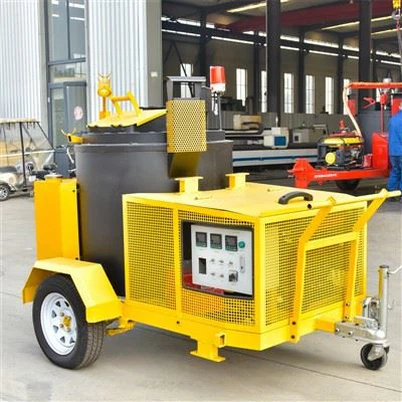
The Asphalt Curing Vehicle 800L is another important product in our range. This vehicle is used for asphalt spraying and curing on highways. The shock - absorption system in this vehicle is designed to handle the heavy load of the asphalt tank and ensure a smooth and stable ride during operation. This is crucial for accurate asphalt application and high - quality road maintenance.
Conclusion
In conclusion, the shock - absorption system is a vital part of highway maintenance cars. It plays a crucial role in ensuring the safety, comfort, and durability of the vehicle. As a supplier, we understand the importance of a high - quality shock - absorption system and ensure that all our vehicles are equipped with the best components available.
If you are in the market for a highway maintenance car, we invite you to contact us for more information and to discuss your specific requirements. Our team of experts is ready to assist you in finding the perfect vehicle for your needs. Whether you need a small cleaning vehicle, a road sanitation vehicle, or an asphalt curing vehicle, we have the solution for you.
References
- "Automotive Suspension Systems" by John C. Dixon.
- "Vehicle Dynamics and Control" by Rajesh Rajamani.
- Industry reports on highway maintenance vehicle technology.