What is the role of the nozzle in a joint filling machine?
Leave a message

In the world of road construction and maintenance, joint filling machines play a crucial role in ensuring the longevity and integrity of pavements. Among the various components of a joint filling machine, the nozzle stands out as a key element that significantly impacts the efficiency and quality of the joint filling process. As a reputable supplier of joint filling machines, I am excited to delve into the role of the nozzle in these machines and explore its importance in the overall operation.
Understanding the Basics of a Joint Filling Machine
Before we discuss the role of the nozzle, let's briefly understand what a joint filling machine is and how it works. A joint filling machine is a specialized piece of equipment used to fill joints and cracks in pavements, such as roads, bridges, and parking lots. These joints are essential for accommodating the expansion and contraction of the pavement due to temperature changes and traffic loads. By filling these joints with a suitable sealing material, such as asphalt or silicone, the machine helps prevent water infiltration, debris accumulation, and the subsequent damage to the pavement structure.


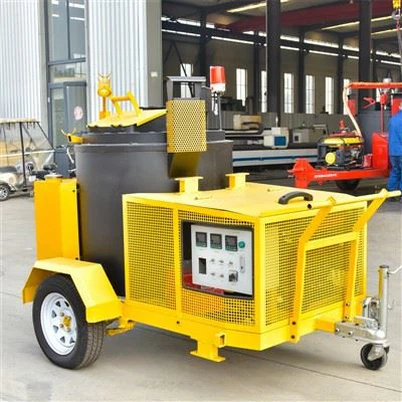
The basic components of a joint filling machine typically include a storage tank for the sealing material, a heating system to maintain the material at the appropriate temperature, a pumping system to transfer the material from the tank to the nozzle, and a control panel to regulate the operation of the machine. The nozzle is the final component in the system, through which the sealing material is applied to the joints.
The Role of the Nozzle in a Joint Filling Machine
The nozzle in a joint filling machine serves several critical functions that are essential for the successful completion of the joint filling process. These functions include:
1. Precise Application
One of the primary roles of the nozzle is to ensure the precise application of the sealing material into the joints. The design and configuration of the nozzle determine the shape, size, and direction of the material flow, allowing for accurate placement of the material in the joint. This precision is crucial for achieving a proper seal and preventing the material from spilling or overflowing onto the surrounding pavement.
For example, a well-designed nozzle can be adjusted to match the width and depth of the joint, ensuring that the sealing material fills the entire joint cavity without leaving any voids. This helps to maximize the effectiveness of the seal and prevent water and debris from entering the joint, which can lead to premature pavement deterioration.
2. Material Distribution
The nozzle also plays a vital role in distributing the sealing material evenly across the joint. By controlling the flow rate and pressure of the material, the nozzle ensures that the material is applied uniformly along the length of the joint, creating a consistent and continuous seal. This even distribution is essential for maintaining the integrity of the seal and preventing weak spots or gaps in the joint.
In addition, the nozzle can be designed to produce a specific pattern or texture on the surface of the sealing material, which can enhance its adhesion to the joint walls and improve its resistance to traffic and environmental factors. For instance, some nozzles are designed to create a ribbed or textured surface on the seal, which can increase its frictional resistance and prevent it from being displaced by traffic.
3. Flow Control
Another important function of the nozzle is to control the flow rate of the sealing material. The flow rate of the material is determined by several factors, including the size and shape of the nozzle opening, the pressure of the pumping system, and the viscosity of the material. By adjusting these parameters, the operator can control the amount of material being applied to the joint and ensure that it is applied at the appropriate rate.
Proper flow control is essential for achieving a consistent and uniform seal. If the flow rate is too high, the material may spill or overflow onto the surrounding pavement, while if the flow rate is too low, the joint may not be filled adequately, leaving voids or weak spots in the seal. The nozzle allows the operator to adjust the flow rate based on the specific requirements of the joint, ensuring optimal performance.
4. Adaptability
The nozzle in a joint filling machine should be adaptable to different types of joints and sealing materials. Different joints may have varying widths, depths, and shapes, and the nozzle should be able to accommodate these variations to ensure a proper seal. Additionally, different sealing materials may have different viscosities and flow characteristics, and the nozzle should be designed to work effectively with a wide range of materials.
For example, some nozzles are designed with interchangeable tips or attachments that can be easily replaced to match the specific requirements of the joint. This allows the operator to use the same machine for different types of joints and sealing materials, increasing the versatility and efficiency of the equipment.
Types of Nozzles Used in Joint Filling Machines
There are several types of nozzles used in joint filling machines, each with its own unique design and features. The choice of nozzle depends on several factors, including the type of joint, the sealing material being used, and the specific requirements of the application. Some common types of nozzles used in joint filling machines include:
1. Straight Nozzles
Straight nozzles are the most basic type of nozzle used in joint filling machines. They have a simple, straight design and are typically used for filling narrow joints or cracks. Straight nozzles are easy to use and provide a straightforward flow of the sealing material into the joint.
2. Angle Nozzles
Angle nozzles are designed with a bent or angled tip, which allows for easier access to joints that are located in hard-to-reach areas or at an angle. Angle nozzles are commonly used for filling joints along the edges of pavements, around obstacles, or in areas where a straight nozzle cannot be used effectively.
3. Fan Nozzles
Fan nozzles are designed to produce a wide, fan-shaped spray of the sealing material. They are typically used for filling wider joints or for applying a thin layer of material over a large area. Fan nozzles are useful for creating a uniform seal across the surface of the joint and can help to prevent the material from pooling or forming ridges.
4. Adjustable Nozzles
Adjustable nozzles allow the operator to change the shape, size, and direction of the material flow. They are typically equipped with a mechanism that allows for easy adjustment of the nozzle tip, providing greater flexibility and control over the application process. Adjustable nozzles are ideal for filling joints of different sizes and shapes and can be used with a variety of sealing materials.
Importance of Choosing the Right Nozzle
Choosing the right nozzle for a joint filling machine is crucial for achieving optimal results. A poorly designed or inappropriate nozzle can lead to a number of problems, including uneven application, poor adhesion, and premature failure of the seal. Here are some key factors to consider when choosing a nozzle:
1. Joint Size and Shape
The size and shape of the joint are important factors to consider when choosing a nozzle. The nozzle should be able to match the width and depth of the joint to ensure a proper seal. For narrow joints, a straight or angle nozzle may be sufficient, while wider joints may require a fan or adjustable nozzle.
2. Sealing Material
The type of sealing material being used also plays a role in the choice of nozzle. Different materials have different viscosities and flow characteristics, and the nozzle should be designed to work effectively with the specific material. For example, a high-viscosity material may require a larger nozzle opening to ensure proper flow, while a low-viscosity material may require a smaller opening to prevent dripping or leakage.
3. Application Requirements
The specific requirements of the application, such as the desired thickness of the seal, the speed of the application, and the level of precision required, should also be considered when choosing a nozzle. For applications that require a high level of precision, an adjustable nozzle may be the best choice, while for applications that require a fast and efficient application, a fan nozzle may be more suitable.
Conclusion
In conclusion, the nozzle is a critical component in a joint filling machine, playing a vital role in the precise application, distribution, and control of the sealing material. By understanding the role of the nozzle and choosing the right one for the specific application, operators can ensure the successful completion of the joint filling process and achieve a high-quality, long-lasting seal.
As a leading supplier of joint filling machines, we offer a wide range of high-quality nozzles to meet the diverse needs of our customers. Our Filling and Sewing All-in-one Machine, 200L Series Asphalt Crack Sealing Machine, and Fully Automatic Seam Sealing Machine are all equipped with state-of-the-art nozzles that provide precise and efficient application of the sealing material.
If you are in the market for a joint filling machine or need more information about our products and services, we encourage you to contact us for a consultation. Our team of experts is ready to assist you in choosing the right machine and nozzle for your specific needs and to provide you with the support and guidance you need to ensure the success of your project.
References
- Smith, J. (2020). Road Pavement Maintenance and Rehabilitation. Elsevier.
- Brown, R. E. (2019). Principles of Pavement Design. Wiley.
- American Society for Testing and Materials (ASTM). (2021). Standard Specifications for Materials and Methods for Sealing Joints in Concrete Pavements.