What is the role of a road repair vehicle in newly - built road fine - tuning?
Leave a message

As a provider of road repair vehicles, I've witnessed firsthand the crucial role these machines play in the fine - tuning of newly - built roads. In this blog, I'll delve into the various aspects of how road repair vehicles contribute to the perfection of newly constructed roadways.
Surface Smoothing and Leveling
One of the primary functions of a road repair vehicle in newly - built road fine - tuning is surface smoothing and leveling. During the construction process, even with the most advanced paving techniques, there may be minor irregularities on the road surface. These irregularities can cause discomfort for drivers, increase vehicle wear and tear, and even pose safety risks. Road repair vehicles are equipped with specialized tools such as milling machines and pavers that can address these issues.
Milling machines are used to remove the top layer of the road surface in a controlled manner. They can precisely shave off uneven areas, bumps, or ridges, creating a more uniform base. After milling, pavers can be used to apply a new layer of asphalt or concrete. This new layer fills in the gaps and creates a smooth, even surface. For example, if there are small humps on a newly - built highway due to improper compaction during the initial paving, a road repair vehicle can quickly and efficiently mill down these humps and repave the area, improving the overall driving experience.
Crack Sealing and Pothole Repair
Cracks and potholes are common problems that can occur soon after a road is built. These issues can be caused by factors such as temperature changes, heavy traffic, or poor construction materials. Road repair vehicles are essential for addressing these problems promptly.
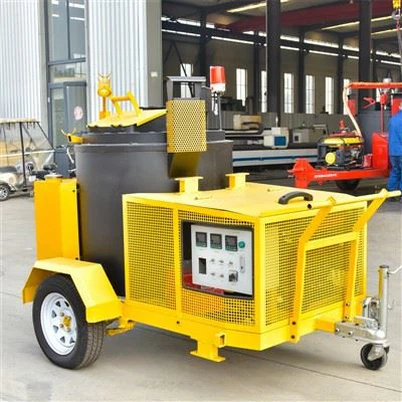
Crack sealing is a critical process that helps prevent water from seeping into the road structure. Water infiltration can lead to further damage, such as the expansion of cracks and the formation of potholes. Road repair vehicles are equipped with crack sealing machines that heat and apply a specialized sealant into the cracks. This sealant fills the gaps and creates a waterproof barrier, protecting the road from further deterioration.
Pothole repair is another important task. Potholes can be dangerous for drivers, causing flat tires, wheel damage, and even accidents. Road repair vehicles can quickly fill potholes with hot - mix asphalt or other suitable materials. The vehicles are designed to carry and dispense the repair materials efficiently, ensuring that the potholes are filled properly and the road surface is restored to its original condition.
Line Marking and Signage Installation
Proper line marking and signage are essential for road safety. Road repair vehicles also play a role in this aspect of newly - built road fine - tuning. After the road surface has been smoothed and any damage has been repaired, line marking machines on the road repair vehicles can be used to paint clear and visible lane lines, crosswalks, and other markings.
These markings help drivers navigate the road safely, especially in low - light conditions or during adverse weather. Additionally, road repair vehicles can be used to install traffic signs. Signage provides important information to drivers, such as speed limits, directions, and warnings. Ensuring that the line markings and signage are correctly installed and maintained is an important part of the overall road fine - tuning process.
Environmental Considerations
In today's world, environmental considerations are becoming increasingly important in road construction and maintenance. Road repair vehicles are evolving to meet these requirements. Many modern road repair vehicles are designed to be more fuel - efficient, reducing their carbon footprint. They also use environmentally friendly materials for crack sealing and pothole repair.
For example, some sealants used in crack sealing are made from recycled materials, reducing the demand for new resources. Additionally, road repair vehicles are being equipped with advanced dust control systems to minimize the release of dust and pollutants during the milling and paving processes. This not only helps protect the environment but also improves the working conditions for the road repair crews.
Integration with Other Road Maintenance Equipment
Road repair vehicles do not work in isolation. They are often part of a larger fleet of road maintenance equipment. For example, they can work in conjunction with Multi Functional Ground Maintenance Vehicle. These multi - functional vehicles can perform a variety of tasks such as grass cutting, debris removal, and snow plowing. By working together, these vehicles can ensure that the newly - built road is maintained in optimal condition.


Similarly, Pedestrian Cleaning Vehicle can be used to clean sidewalks and pedestrian areas adjacent to the newly - built road. This comprehensive approach to road maintenance helps create a clean, safe, and aesthetically pleasing environment. And Road Cleaning Equipment can be used to keep the road surface free of dirt, debris, and other contaminants, further enhancing the performance and longevity of the road.
Cost - Effectiveness and Efficiency
Investing in road repair vehicles for newly - built road fine - tuning is a cost - effective decision. By addressing minor issues early on, these vehicles can prevent more significant and costly damage from occurring in the future. For example, sealing cracks and filling potholes promptly can extend the lifespan of the road, reducing the need for major reconstruction projects.
Road repair vehicles are also highly efficient. They can complete tasks quickly, minimizing traffic disruptions. This is especially important for newly - built roads that are already experiencing high traffic volumes. The ability to perform repairs and fine - tuning operations in a timely manner helps ensure that the road remains open and accessible to the public.
Conclusion
In conclusion, road repair vehicles play a vital role in the fine - tuning of newly - built roads. From surface smoothing and leveling to crack sealing, pothole repair, line marking, and environmental considerations, these vehicles are essential for ensuring the safety, functionality, and longevity of the road.
If you are involved in road construction or maintenance projects and are looking for reliable road repair vehicles, I encourage you to contact us for more information. We offer a wide range of high - quality road repair vehicles that are designed to meet the diverse needs of our customers. Our experienced team can provide you with detailed product information, technical support, and assistance in selecting the right equipment for your projects. Let's work together to build and maintain better roads.
References
- "Principles of Highway Engineering and Traffic Analysis" by Fred L. Mannering, Scott S. Washburn, and Edward K. Bardal
- "Road Maintenance Management: A Guide to Best Practice" by the World Bank
- Industry reports on road construction and maintenance equipment trends