What is the loading capacity of a road maintenance vehicle's material tank?
Leave a message

What is the loading capacity of a road maintenance vehicle's material tank?
As a supplier of road maintenance vehicles, I often encounter inquiries from customers about the loading capacity of the material tanks on these vehicles. Understanding the loading capacity is crucial as it directly impacts the efficiency and effectiveness of road maintenance operations. In this blog post, I will delve into the factors influencing the loading capacity of a road maintenance vehicle's material tank, the different types of road maintenance vehicles and their typical tank capacities, and how to choose the right capacity for your specific needs.
Factors Influencing Loading Capacity
Several factors come into play when determining the loading capacity of a road maintenance vehicle's material tank. These factors not only affect the physical volume that the tank can hold but also have implications for the vehicle's overall performance and operational efficiency.
Vehicle Design and Structure
The design and structure of the road maintenance vehicle itself play a significant role in determining the size and capacity of the material tank. Different vehicle models are engineered with varying chassis dimensions, weight distributions, and space allocations. For instance, a larger vehicle with a more robust chassis can generally accommodate a bigger material tank compared to a smaller, more compact model. Additionally, the layout of other components on the vehicle, such as the engine, transmission, and hydraulic systems, can also limit the available space for the material tank.

Type of Material
The type of material that the tank is intended to carry is another crucial factor. Different materials have different densities, which means that the same volume of different materials can have significantly different weights. For example, asphalt is much denser than water, so a tank designed to carry asphalt will need to be more robustly constructed and may have a lower volume capacity compared to a tank designed for a lighter material like water or liquid de - icers. The chemical properties of the material also matter. Some materials may be corrosive, requiring the tank to be made of special materials or have a protective coating, which can add to the weight and potentially reduce the available capacity for the material itself.
Operational Requirements
The specific operational requirements of the road maintenance tasks also influence the loading capacity. If the vehicle is used for large - scale road projects that require continuous supply of materials over long distances or for extended periods, a larger loading capacity is usually preferred. This reduces the need for frequent refills, which can save time and increase productivity. On the other hand, for smaller, more localized maintenance jobs or in areas where refilling stations are readily available, a smaller tank may be sufficient.
Types of Road Maintenance Vehicles and Their Typical Tank Capacities
There are several types of road maintenance vehicles, each with its own specific functions and typical material tank capacities.
Road Cleaning Vehicle
A Road Cleaning Vehicle is mainly used for cleaning roads, removing dust, debris, and dirt. These vehicles often carry water in their material tanks, which is used for spraying and washing the roads. The loading capacity of the water tank in a road cleaning vehicle can vary widely depending on the size and model of the vehicle. Small - scale road cleaning vehicles may have a tank capacity of around 1,000 - 2,000 liters, while larger, more heavy - duty models can have capacities of up to 10,000 liters or more. The larger capacity allows the vehicle to cover more ground without the need for frequent water refills, which is especially important for cleaning long stretches of roads or large urban areas.
Road Repair Vehicle
Road Repair Vehicle are used for repairing potholes, cracks, and other road surface damages. These vehicles typically carry materials such as asphalt, cold patch materials, or concrete in their material tanks. The loading capacity of the material tank in a road repair vehicle usually ranges from 500 liters to 5,000 liters. Smaller road repair vehicles, suitable for minor repairs in residential areas or small commercial lots, may have a tank capacity of around 500 - 1,000 liters. Larger vehicles designed for major road construction and repair projects can have capacities of 3,000 - 5,000 liters or more.
Asphalt Recycling and Maintenance Vehicle
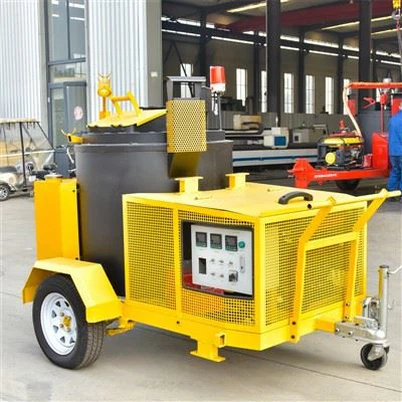
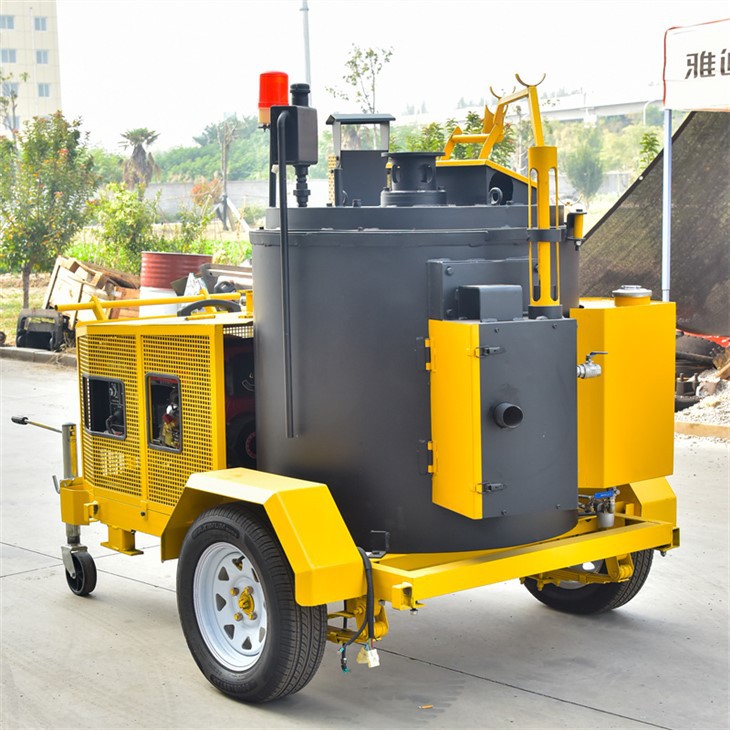
The Asphalt Recycling and Maintenance Vehicle 2000L is specifically designed for recycling and reusing asphalt materials. These vehicles can heat, mix, and store asphalt in their material tanks. A common capacity for the asphalt tank in such vehicles is around 2,000 liters. This capacity is sufficient for handling medium - sized road maintenance projects while also allowing for efficient recycling and reuse of asphalt materials on - site.
Choosing the Right Loading Capacity
Selecting the appropriate loading capacity for a road maintenance vehicle's material tank is essential to ensure cost - effectiveness and operational efficiency. Here are some steps to help you make the right choice:
Assess Your Project Scope
First, evaluate the scale and nature of your road maintenance projects. If you are mainly involved in small - scale, local jobs, a vehicle with a smaller tank capacity may be sufficient. However, if you are working on large - scale highway construction or major urban road maintenance projects, a larger tank capacity will be more appropriate. Consider the average distance between refilling stations and the frequency of material usage during a typical project.
Consider Budget Constraints
Larger tank capacities generally mean higher vehicle costs, both in terms of the initial purchase price and the operating costs. A larger tank may require a more powerful vehicle to carry the additional weight, which can increase fuel consumption. Additionally, the cost of filling a larger tank can be higher. Therefore, it is important to balance your budget with your operational needs.
Evaluate Future Growth
Think about your future business plans and potential growth. If you expect to take on larger projects or expand your service area in the future, it may be wise to invest in a vehicle with a larger tank capacity from the start. This can save you from having to upgrade your vehicle in the near future.
Conclusion
The loading capacity of a road maintenance vehicle's material tank is a critical factor that depends on various elements such as vehicle design, type of material, and operational requirements. Different types of road maintenance vehicles, including road cleaning vehicles, road repair vehicles, and asphalt recycling and maintenance vehicles, have typical tank capacities that are tailored to their specific functions. When choosing a road maintenance vehicle, it is important to carefully assess your project scope, budget constraints, and future growth plans to select the right loading capacity.
If you are in the market for a road maintenance vehicle and need more information about the loading capacity or other features of our products, we encourage you to reach out to us for a detailed discussion. Our team of experts is ready to assist you in finding the perfect vehicle to meet your road maintenance needs. Let's start a conversation about how our road maintenance vehicles can enhance your operations.
References
- Road Maintenance Vehicle Handbook, Industry Publication
- Technical Specifications of Road Maintenance Vehicles, Manufacturer's Documentation