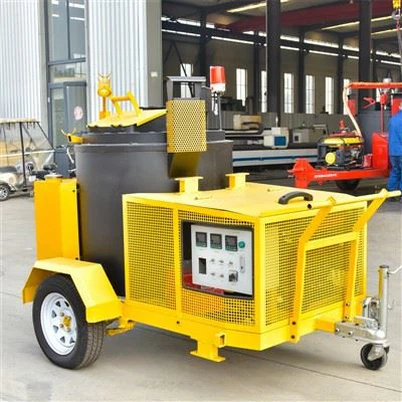
What is the frame structure of a road sanitation vehicle?
Leave a message

A road sanitation vehicle is a complex and specialized piece of equipment designed to maintain the cleanliness and functionality of roads. As a leading supplier of road sanitation vehicles, I am often asked about the frame structure of these essential machines. In this blog post, I will delve into the key components and design considerations of the frame structure of a road sanitation vehicle.
The Foundation: Chassis
The chassis is the backbone of any vehicle, including road sanitation vehicles. It provides the structural support for all other components and ensures the vehicle's stability and durability. In the case of road sanitation vehicles, the chassis is typically a heavy-duty design capable of withstanding the rigors of daily use on rough roads.
The chassis is usually made of high-strength steel or other durable materials to ensure it can handle the weight of the vehicle and its equipment. It is also designed to provide a stable platform for the various sanitation systems, such as the sweeping mechanism, water tanks, and waste collection bins.
Mounting and Integration of Systems
Once the chassis is in place, the next step is to mount and integrate the various sanitation systems onto the frame. This involves carefully positioning and securing the components to ensure they function properly and do not interfere with each other.
For example, the sweeping mechanism is typically mounted at the front or rear of the vehicle, depending on the design. It is connected to the chassis using a series of brackets and mounts to ensure it remains stable during operation. The water tanks, which are used for dust suppression and cleaning, are also mounted securely on the frame and connected to the appropriate plumbing systems.
The waste collection bins are another important component of the road sanitation vehicle. They are usually located at the rear of the vehicle and are designed to collect and store the debris and waste swept up by the sweeping mechanism. The bins are often removable for easy emptying and cleaning.
Structural Design Considerations
In addition to providing support for the sanitation systems, the frame structure of a road sanitation vehicle must also be designed to meet a number of other requirements. These include:
- Weight Distribution: The frame must be designed to distribute the weight of the vehicle and its equipment evenly to ensure stability and prevent excessive wear and tear on the tires and suspension.
- Maneuverability: Road sanitation vehicles often need to operate in tight spaces and navigate around obstacles. The frame structure must be designed to allow for easy turning and maneuvering.
- Accessibility: The frame must provide easy access to all components of the vehicle for maintenance and repair. This includes access to the engine, transmission, and other critical systems.
- Safety: The frame structure must be designed to meet all relevant safety standards and regulations. This includes providing adequate protection for the driver and passengers in the event of an accident.
Examples of Road Sanitation Vehicles
To illustrate the importance of the frame structure in road sanitation vehicles, let's take a look at some specific examples.


- Asphalt Curing Vehicle 800L: This vehicle is designed to apply asphalt curing agents to newly paved roads. The frame structure of the Asphalt Curing Vehicle 800L is designed to support the large water tank and spraying equipment used to apply the curing agent. It also provides a stable platform for the vehicle to operate on uneven terrain.
- Road Repair Vehicle: This vehicle is used for a variety of road repair tasks, such as pothole filling and crack sealing. The frame structure of the Road Repair Vehicle is designed to support the heavy equipment and materials used for these tasks. It also provides easy access to the repair tools and equipment.
- Road Maintenance Truck: This vehicle is a versatile workhorse that can be used for a variety of road maintenance tasks, such as sweeping, snow plowing, and debris removal. The frame structure of the Road Maintenance Truck is designed to support the various sanitation systems and equipment used for these tasks. It also provides a comfortable and safe working environment for the driver.
Conclusion
In conclusion, the frame structure of a road sanitation vehicle is a critical component that plays a vital role in the vehicle's performance, durability, and safety. As a supplier of road sanitation vehicles, we understand the importance of designing and building frames that meet the highest standards of quality and reliability.
If you are in the market for a road sanitation vehicle, I encourage you to contact us to learn more about our products and services. Our team of experts can help you choose the right vehicle for your specific needs and provide you with the support and assistance you need to keep your vehicle running smoothly.
References
- SAE International. (2023). Vehicle Frame Design and Analysis.
- Society of Automotive Engineers. (2023). Chassis Design and Development.