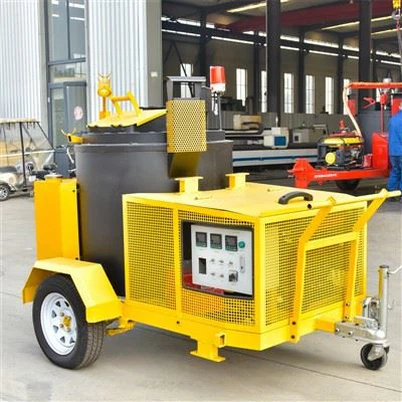
What is the electrical system of a road repair machine like?
Leave a message

Hey there! As a supplier of road repair machines, I often get asked about the electrical systems in these beasts. So, I thought I'd take a moment to break it down for you.

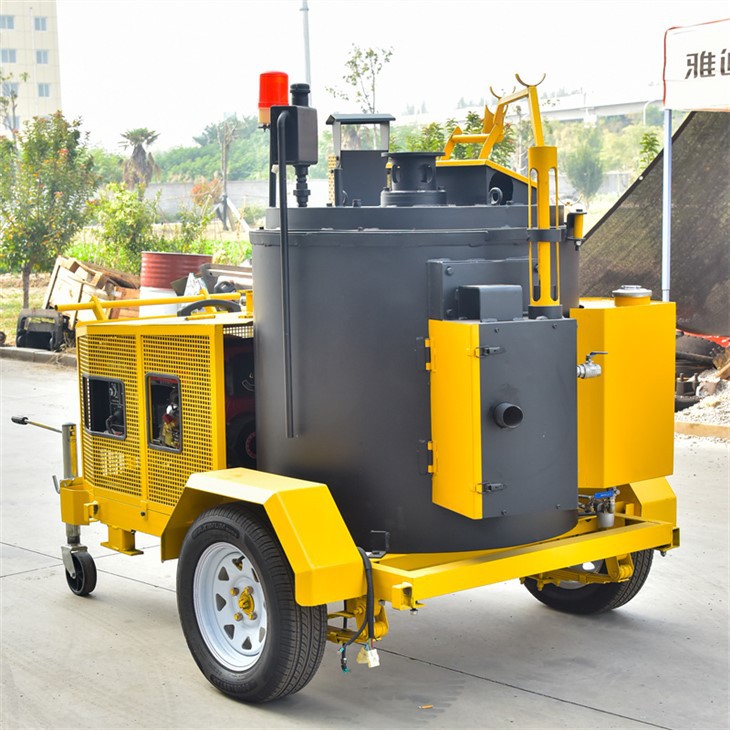
Let's start with the basics. The electrical system in a road repair machine is like the nervous system in our bodies. It's responsible for controlling and powering all the different functions of the machine. From starting the engine to operating the various tools and equipment on board, the electrical system plays a crucial role in getting the job done.
One of the key components of the electrical system is the battery. Just like in your car, the battery provides the initial power to start the engine. It also stores energy to power the electrical components when the engine is not running. In road repair machines, the battery needs to be robust and reliable, as these machines often operate in harsh environments and require a lot of power.
Once the engine is running, the alternator takes over. The alternator is basically a generator that converts mechanical energy from the engine into electrical energy. It charges the battery and powers the electrical system while the machine is in operation. A good alternator is essential for maintaining a steady supply of power and preventing electrical issues.
Another important part of the electrical system is the wiring harness. This is a bundle of wires that connects all the electrical components in the machine. It's like the circulatory system of the electrical system, carrying power and signals to where they need to go. The wiring harness needs to be well-designed and properly installed to ensure reliable operation. Any loose or damaged wires can cause electrical problems and even pose a safety hazard.
Now, let's talk about the control system. This is what allows the operator to control the various functions of the road repair machine. It includes things like switches, sensors, and control modules. The switches are used to turn on and off different components, while the sensors monitor things like temperature, pressure, and speed. The control modules process the information from the sensors and send signals to the appropriate components to make them operate correctly.
For example, in an Asphalt Recycling and Maintenance Vehicle 2000L, the control system might be used to regulate the temperature of the asphalt heating system, control the flow of recycled asphalt, and operate the paving mechanism. In a Rural Road Maintenance Vehicle, it could be used to control the sprayers for applying sealants or the brushes for cleaning the road surface. And in a High Pressure Road Maintenance Vehicle, the control system would be responsible for regulating the pressure of the water jet and controlling the movement of the cleaning head.
In addition to these basic components, modern road repair machines often come with advanced electrical features. For instance, some machines have diagnostic systems that can detect and report electrical problems. These systems use sensors and software to monitor the performance of the electrical components and alert the operator if there's an issue. This can help prevent breakdowns and reduce downtime.
There are also machines with automated functions. For example, some asphalt paving machines can automatically adjust the paving width and thickness based on the road conditions. This is made possible by the electrical system, which uses sensors and control algorithms to make these adjustments in real-time.
However, like any complex system, the electrical system in a road repair machine can sometimes experience problems. Common issues include battery failures, alternator problems, wiring issues, and control system malfunctions. When these problems occur, it's important to have a qualified technician diagnose and repair them. Regular maintenance is also crucial for preventing electrical problems. This includes checking the battery, inspecting the wiring harness, and testing the control system.
As a supplier, we make sure that all our road repair machines are equipped with high-quality electrical components. We work with reputable manufacturers to source the best batteries, alternators, wiring harnesses, and control systems. We also provide comprehensive training and support to our customers to help them operate and maintain their machines properly.
If you're in the market for a road repair machine, I encourage you to consider the electrical system. A reliable electrical system can make a big difference in the performance and longevity of your machine. And if you have any questions or need more information, don't hesitate to reach out. We're here to help you find the right road repair machine for your needs and ensure that it operates smoothly for years to come.
So, whether you're looking for an Asphalt Recycling and Maintenance Vehicle 2000L, a Rural Road Maintenance Vehicle, or a High Pressure Road Maintenance Vehicle, we've got you covered. Contact us today to start the conversation about your road repair machine needs and let's work together to find the perfect solution.
References
- General knowledge of road repair machine technology and electrical systems.