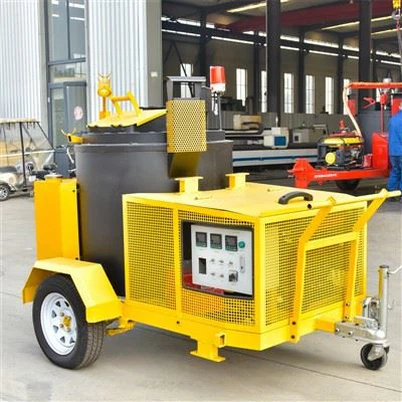
What is the differential system of a road maintenance truck?
Leave a message

Hey there! As a supplier of road maintenance trucks, I've been getting a lot of questions lately about the differential system of these trucks. So, I thought I'd take a few minutes to break it down and explain what it is, how it works, and why it's so important for road maintenance operations.
First off, let's start with the basics. The differential system in a road maintenance truck is a crucial component that allows the wheels on the same axle to rotate at different speeds. This might not seem like a big deal, but it's actually essential for smooth and efficient operation, especially when the truck is turning.
When a vehicle makes a turn, the outer wheels have to travel a greater distance than the inner wheels. Without a differential system, the wheels would be forced to rotate at the same speed, which would cause the tires to scrub against the road surface. This not only leads to increased tire wear but also makes the vehicle difficult to steer and can even cause damage to the drivetrain.
The differential system solves this problem by using a set of gears to distribute torque between the wheels. When the truck is going straight, the differential allows the wheels to rotate at the same speed. But when the truck turns, the differential automatically adjusts the speed of the wheels, allowing the outer wheel to rotate faster than the inner wheel. This ensures that the tires roll smoothly and evenly, reducing wear and tear and making the vehicle easier to handle.
There are several different types of differential systems used in road maintenance trucks, each with its own advantages and disadvantages. The most common type is the open differential, which is simple, reliable, and relatively inexpensive. An open differential distributes torque equally between the wheels, regardless of which wheel has more traction. This means that if one wheel loses traction, such as when it hits a patch of ice or mud, the differential will send most of the torque to that wheel, causing it to spin while the other wheel remains stationary.
While an open differential works well in most situations, it can be a problem in off-road or low-traction conditions. That's where limited-slip differentials (LSDs) come in. An LSD is designed to transfer some of the torque from the wheel with less traction to the wheel with more traction, helping to improve grip and stability. There are several different types of LSDs, including mechanical, viscous, and electronic, each with its own unique way of distributing torque.
Another type of differential system used in some road maintenance trucks is the locking differential. A locking differential is designed to lock the two wheels on an axle together, forcing them to rotate at the same speed. This provides maximum traction in off-road or low-traction conditions, but it can also make the vehicle more difficult to steer and can cause increased tire wear on paved roads.
So, why is the differential system so important for road maintenance trucks? Well, road maintenance trucks are often required to operate in a variety of conditions, including rough terrain, steep slopes, and low-traction surfaces. A good differential system helps to ensure that the truck can maintain traction and stability in these conditions, allowing it to perform its job safely and efficiently.
For example, a road cleaning vehicle Road Cleaning Vehicle may need to navigate through narrow streets, around obstacles, and over uneven surfaces. A differential system that can adjust to these conditions helps to ensure that the vehicle can move smoothly and easily, without getting stuck or causing damage to the road surface.
Similarly, an asphalt curing vehicle 800L Asphalt Curing Vehicle 800L may need to operate on hot, sticky asphalt, which can reduce traction and make it difficult to maneuver. A differential system that can provide maximum traction and stability helps to ensure that the vehicle can stay on track and complete its job without any problems.
And a high-pressure road maintenance vehicle High Pressure Road Maintenance Vehicle may need to operate on steep slopes or in off-road conditions, where traction is limited. A differential system that can adapt to these conditions helps to ensure that the vehicle can maintain control and avoid accidents.
In addition to improving traction and stability, a good differential system can also help to reduce maintenance costs and extend the life of the truck. By reducing tire wear and tear, a differential system can help to save money on tire replacements. And by preventing damage to the drivetrain, a differential system can help to reduce the need for expensive repairs and maintenance.


So, if you're in the market for a road maintenance truck, it's important to choose a vehicle with a good differential system. Look for a truck that has a differential system that is appropriate for the type of work you'll be doing and the conditions you'll be operating in. And don't be afraid to ask questions and do your research to make sure you're getting the best possible vehicle for your needs.
If you're interested in learning more about our road maintenance trucks or have any questions about the differential system or any other aspect of our vehicles, please don't hesitate to contact us. We'd be happy to help you find the right truck for your needs and answer any questions you may have. Whether you're a small contractor or a large municipality, we have the expertise and the products to help you get the job done right.
In conclusion, the differential system is a crucial component of a road maintenance truck. It helps to ensure that the truck can maintain traction and stability in a variety of conditions, allowing it to perform its job safely and efficiently. By choosing a truck with a good differential system, you can save money on maintenance costs, extend the life of the vehicle, and improve the overall performance of your road maintenance operations. So, if you're in the market for a road maintenance truck, make sure you choose a vehicle that has a differential system that can handle the job.
References
- Automotive Engineering textbooks on vehicle dynamics and drivetrain systems
- Industry reports on road maintenance vehicle technology and performance