What is the difference between hot - pour and cold - pour road joint filling materials?
Leave a message

Hey there! As a road joint filling material supplier, I've been getting a lot of questions lately about the difference between hot - pour and cold - pour road joint filling materials. So, I thought I'd break it down for you in this blog post.
What are Hot - Pour Road Joint Filling Materials?
Hot - pour road joint filling materials are a type of sealant that's heated up to a really high temperature before application. Usually, they're made from materials like modified asphalt, rubber, and various polymers. The heating process makes them fluid enough to be poured into the joints in the road.
One of the main advantages of hot - pour materials is their durability. Once they cool down and harden, they form a tough, flexible seal that can withstand a lot of wear and tear. They're great at filling large gaps and can handle extreme temperature changes. For example, in areas with very cold winters and hot summers, hot - pour materials can expand and contract without cracking.
Another plus is their adhesion. They bond really well to the road surface, which helps prevent water from seeping into the joints. Water infiltration can cause all sorts of problems, like potholes and damage to the road structure. So, a good seal is crucial.
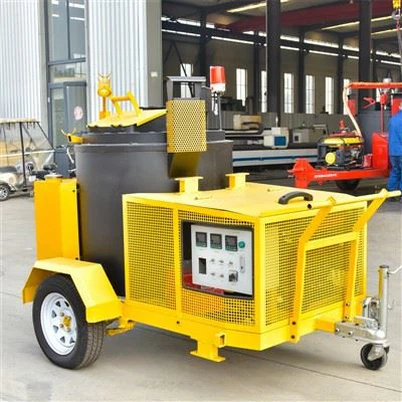
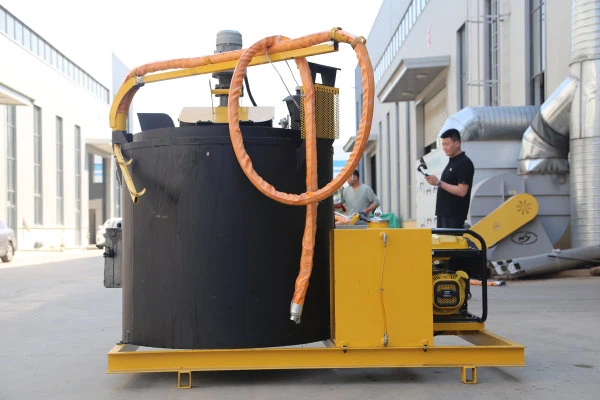
However, there are some downsides to hot - pour materials. First of all, you need special equipment to heat them up. That means you have to invest in things like Road Mend Machine or 500L Traction Grouting Truck. These machines can be expensive to buy and maintain.
Also, the application process is a bit more complicated. You have to be careful to keep the material at the right temperature during pouring. If it cools down too quickly, it might not flow properly and could result in an uneven seal. And working with hot materials can be dangerous. There's a risk of burns if you're not careful.
What are Cold - Pour Road Joint Filling Materials?
Cold - pour road joint filling materials, on the other hand, don't need to be heated. They come in a ready - to - use form, usually in a liquid or paste state. They're often made from materials like acrylics, polyurethanes, or silicone.

One of the biggest advantages of cold - pour materials is their ease of use. You don't need any special heating equipment. You can simply pour or pump them into the joints using a basic applicator. This makes them a great option for small - scale projects or DIY jobs.
They also have a relatively quick drying time. In some cases, you can have the road back in use within a few hours of application. This is really convenient, especially if you're dealing with a busy road where you can't afford to have it closed for a long time.
Cold - pour materials are also less dangerous to work with compared to hot - pour ones. Since there's no heating involved, there's no risk of burns from hot substances.
But cold - pour materials aren't perfect. They're generally not as durable as hot - pour materials. They might not hold up as well under heavy traffic or extreme weather conditions. Over time, they can start to crack or peel, which means you'll have to do more frequent repairs.
Their adhesion to the road surface might not be as strong as that of hot - pour materials. This can lead to water getting into the joints and causing damage. And in some cases, they might not be suitable for filling large gaps.
Comparing the Two in Different Situations
Traffic Volume
If you're dealing with a road that has a high volume of traffic, hot - pour materials are usually the better choice. Their durability means they can withstand the constant pressure from vehicles without breaking down quickly. Cold - pour materials might start to show signs of wear and tear sooner, which could lead to more frequent maintenance.
Weather Conditions
In areas with extreme temperature variations, hot - pour materials are more reliable. They can expand and contract with the changing temperatures without losing their seal. Cold - pour materials might not be as flexible in these conditions and could crack.
However, in milder climates, cold - pour materials can work just fine. They're a cost - effective and easy - to - use option for roads in areas with relatively stable weather.
Project Size
For large - scale road construction or repair projects, hot - pour materials are often preferred. Their long - term durability makes them a good investment, even though the initial equipment cost is high. On the other hand, for small projects like filling joints in a driveway or a parking lot, cold - pour materials are a practical choice.
Our Product Offerings
As a road joint filling material supplier, we offer both hot - pour and cold - pour options. Our hot - pour materials are formulated to provide maximum durability and adhesion. We also have a range of Asphalt Crack sealing Machine and other equipment to help you with the application process.
Our cold - pour materials are easy to use and come in different formulations to suit various needs. Whether you're a professional contractor or a DIY enthusiast, we've got the right product for you.
Why Choose Us?
We've been in the road joint filling business for a long time, and we know what works and what doesn't. Our products are tested to ensure they meet the highest quality standards. We also offer great customer support. If you have any questions about which material is right for your project, or if you need help with the application process, our team is here to assist you.
Contact Us for Your Road Joint Filling Needs
If you're looking for high - quality road joint filling materials, whether it's hot - pour or cold - pour, we're here to help. We can provide you with the right products and equipment to get the job done right. Contact us today to start a conversation about your project. We're eager to work with you and help you find the best solution for your road joint filling needs.
References
- "Road Maintenance and Rehabilitation Handbook" by the Federal Highway Administration
- "Sealants for Concrete Joints and Cracks" by the American Concrete Institute
- Industry reports on road construction and maintenance materials