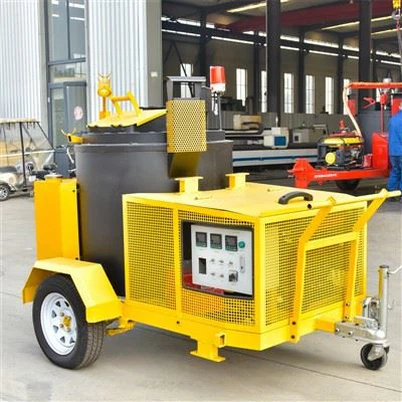
What is the cooling system of a road cleaning vehicle?
Leave a message

A road cleaning vehicle is an indispensable piece of equipment in modern urban and rural infrastructure maintenance. Its role in keeping roads clean, reducing dust, and enhancing overall environmental quality cannot be overstated. One crucial aspect of these vehicles that often goes unnoticed is the cooling system. In this blog post, I'll explain what the cooling system of a road cleaning vehicle is, why it's important, and how it works. As a road cleaning vehicle supplier, I've seen firsthand the impact a well - functioning cooling system can have on the performance and longevity of these vehicles.
The Importance of the Cooling System in Road Cleaning Vehicles
Road cleaning vehicles are typically powered by internal combustion engines, which generate a significant amount of heat during operation. If this heat is not properly managed, it can lead to a variety of problems. High engine temperatures can cause engine components to expand beyond their designed tolerances, leading to increased wear and tear, reduced efficiency, and potentially catastrophic engine failure.
In addition to the engine, other components in a road cleaning vehicle, such as hydraulic systems and electrical components, also generate heat. The cooling system helps to maintain the optimal operating temperature of these components, ensuring their reliability and performance. For example, hydraulic systems rely on fluid to transfer power, and excessive heat can cause the hydraulic fluid to break down, leading to loss of power and potential damage to the hydraulic components.
Components of the Cooling System
The cooling system of a road cleaning vehicle consists of several key components, each playing a vital role in maintaining the proper temperature of the vehicle's engine and other heat - generating components.
Radiator
The radiator is perhaps the most well - known component of the cooling system. It is a large heat exchanger located at the front of the vehicle. The radiator is filled with coolant, a mixture of water and antifreeze, which absorbs heat from the engine. As the hot coolant flows through the radiator, air passing over the radiator fins cools the coolant, transferring the heat to the surrounding air.
Water Pump
The water pump is responsible for circulating the coolant through the engine and the radiator. It is typically driven by the engine's crankshaft via a belt. The water pump creates a continuous flow of coolant, ensuring that heat is constantly removed from the engine and transferred to the radiator.
Thermostat
The thermostat acts as a valve that regulates the flow of coolant through the engine. It remains closed when the engine is cold, allowing the engine to warm up quickly. Once the engine reaches its optimal operating temperature, the thermostat opens, allowing coolant to flow through the radiator for cooling.
Cooling Fans
Cooling fans are used to increase the airflow over the radiator, especially when the vehicle is moving slowly or stationary. There are two types of cooling fans: mechanical and electric. Mechanical fans are driven by the engine's crankshaft, while electric fans are powered by the vehicle's electrical system.


Hoses and Pipes
Hoses and pipes connect the various components of the cooling system, allowing the coolant to flow freely between the engine, radiator, and other components. These hoses and pipes must be made of durable materials to withstand the high temperatures and pressures within the cooling system.
How the Cooling System Works
The operation of the cooling system in a road cleaning vehicle can be divided into several stages.
Heat Generation
When the engine is running, it burns fuel to produce power. This combustion process generates a large amount of heat. The engine block, cylinder heads, and other engine components absorb this heat, causing their temperatures to rise.
Coolant Circulation
The water pump starts circulating the coolant through the engine block and cylinder heads. As the coolant passes through these hot components, it absorbs the heat, cooling the engine. The heated coolant then flows through the hoses and pipes to the radiator.
Heat Dissipation
Once the hot coolant reaches the radiator, it enters the radiator tubes. Air passing over the radiator fins removes the heat from the coolant, cooling it down. The cooled coolant then flows back to the engine through the hoses and pipes, ready to absorb more heat.
Temperature Regulation
The thermostat continuously monitors the temperature of the coolant. If the engine is cold, the thermostat remains closed, preventing the coolant from flowing through the radiator. This allows the engine to warm up quickly. Once the engine reaches its optimal operating temperature, the thermostat opens, allowing the coolant to flow through the radiator for cooling.
Different Types of Cooling Systems in Road Cleaning Vehicles
There are two main types of cooling systems used in road cleaning vehicles: liquid - cooled and air - cooled.
Liquid - Cooled Systems
Liquid - cooled systems are the most common type of cooling system used in road cleaning vehicles. As described above, they use a coolant (usually a mixture of water and antifreeze) to absorb heat from the engine and transfer it to the radiator. Liquid - cooled systems are highly efficient at removing heat and can maintain a more consistent engine temperature, even under heavy loads.
Air - Cooled Systems
Air - cooled systems use air to cool the engine directly. They do not use a radiator or coolant. Instead, the engine is designed with fins on the outside of the engine block and cylinder heads. As air passes over these fins, it removes the heat from the engine. Air - cooled systems are simpler and lighter than liquid - cooled systems, but they are less efficient at removing heat, especially in hot weather or under heavy loads.
Maintenance of the Cooling System
Proper maintenance of the cooling system is essential to ensure the reliable operation of a road cleaning vehicle. Here are some key maintenance tasks:
Regular Coolant Checks
The coolant level should be checked regularly, and the coolant should be changed according to the manufacturer's recommendations. Over time, coolant can break down and lose its effectiveness, so it's important to replace it to ensure proper cooling.
Radiator Inspection
The radiator should be inspected regularly for any signs of damage, such as leaks or clogged fins. A damaged radiator can reduce the cooling efficiency of the system, leading to overheating.
Fan and Belt Inspection
The cooling fans and drive belts should be inspected for wear and tear. A worn - out fan or belt can cause the cooling system to malfunction, so it's important to replace them as needed.
Thermostat and Water Pump Check
The thermostat and water pump should be checked periodically to ensure they are functioning properly. A faulty thermostat or water pump can disrupt the coolant flow and cause the engine to overheat.
Our Road Cleaning Vehicles and Cooling Systems
As a road cleaning vehicle supplier, we understand the importance of a reliable cooling system. Our vehicles are equipped with high - quality cooling systems that are designed to meet the demanding requirements of road cleaning operations. Whether you need a Small Cleaning Vehicle for narrow streets or a Rural Road Maintenance Vehicle for countryside roads, or even a Road Repair Vehicle with specific cooling needs, we have the right solution for you.
Our engineers have extensive experience in designing and optimizing cooling systems for road cleaning vehicles. We use the latest technologies and high - quality materials to ensure that our cooling systems are efficient, reliable, and durable. By choosing our road cleaning vehicles, you can be confident that your vehicle will operate at its best, even in the most challenging conditions.
Conclusion
The cooling system of a road cleaning vehicle is a complex and essential component that plays a crucial role in the vehicle's performance and reliability. Understanding how the cooling system works and how to maintain it is key to ensuring the long - term operation of your road cleaning vehicle. As a road cleaning vehicle supplier, we are committed to providing our customers with high - quality vehicles equipped with reliable cooling systems.
If you are interested in our road cleaning vehicles or have any questions about the cooling system, please feel free to contact us for procurement and further discussions. We look forward to working with you to meet your road cleaning needs.
References
- Automotive Cooling System Handbook, published by an industry - leading automotive engineering firm.
- Technical manuals of major road cleaning vehicle manufacturers.