What is the capacity of a typical road maintenance truck?
Leave a message

When it comes to maintaining our roads, a variety of specialized vehicles play crucial roles. As a leading supplier of road maintenance trucks, I often get asked about the capacity of a typical road maintenance truck. In this blog post, I'll delve into this topic in detail, exploring different aspects of capacity and how it impacts road maintenance operations.
Understanding the Different Types of Road Maintenance Trucks
Before we discuss capacity, it's important to understand the different types of road maintenance trucks available. There are several categories, each designed for specific tasks:
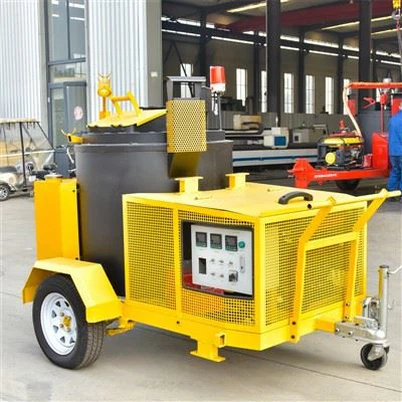
- Road Repair Machine: These trucks are equipped with tools and equipment for repairing potholes, cracks, and other road surface damages. You can learn more about them on our Road Repair Machine page.
- Pedestrian Cleaning Vehicle: These vehicles are used to clean sidewalks, bike lanes, and other pedestrian areas. They are often smaller and more maneuverable than other road maintenance trucks. Check out our Pedestrian Cleaning Vehicle for more information.
- Road Surface Maintenance Vehicle: These trucks are designed to maintain the overall condition of the road surface, including resurfacing, sealing, and striping. Visit our Road Surface Maintenance Vehicle page to learn more.
Capacity Considerations
The capacity of a road maintenance truck can be measured in several ways, depending on the type of vehicle and its intended use. Here are some of the key capacity factors to consider:
1. Storage Capacity
One of the most important aspects of a road maintenance truck's capacity is its storage space. This includes the ability to carry materials such as asphalt, gravel, sand, and salt, as well as tools and equipment for various maintenance tasks.
- Asphalt Storage: For road repair machines, the capacity to carry asphalt is crucial. A typical road repair truck may have an asphalt storage tank with a capacity ranging from 1 to 5 cubic meters, depending on the size of the vehicle and the specific requirements of the job.
- Gravel and Sand Storage: Trucks used for filling potholes or stabilizing the road surface may need to carry gravel and sand. The storage capacity for these materials can vary widely, but it's not uncommon for a road maintenance truck to have a storage bin with a capacity of 2 to 10 cubic meters.
- Tool and Equipment Storage: In addition to materials, road maintenance trucks need to have sufficient space to store tools and equipment such as shovels, rakes, jackhammers, and compressors. This storage space can be in the form of compartments, racks, or cabinets located on the truck's body.
2. Water Capacity
Many road maintenance trucks, especially those used for cleaning and dust suppression, require a water supply. The water capacity of a truck can vary depending on its size and the type of cleaning equipment it is equipped with.
- Cleaning Vehicles: Pedestrian cleaning vehicles and some road surface maintenance vehicles may have water tanks with a capacity ranging from 500 to 5000 liters. This water is used for tasks such as washing sidewalks, flushing drains, and suppressing dust during road resurfacing.
- Dust Suppression: Trucks used for dust suppression on construction sites or unpaved roads may have larger water tanks, with capacities of up to 10,000 liters or more. These trucks are designed to spray water over the road surface to prevent dust from becoming airborne.
3. Power and Performance Capacity
The power and performance capacity of a road maintenance truck are also important considerations. This includes the engine power, the lifting capacity of hydraulic systems, and the speed and efficiency of the equipment on board.
- Engine Power: The engine power of a road maintenance truck can vary depending on its size and the type of tasks it is designed to perform. Smaller trucks may have engines with a power output of 50 to 100 horsepower, while larger trucks used for heavy-duty road repair and resurfacing may have engines with power outputs of 200 to 500 horsepower or more.
- Hydraulic Lifting Capacity: Many road maintenance trucks are equipped with hydraulic systems for tasks such as lifting heavy equipment, raising and lowering platforms, and operating tools. The lifting capacity of these hydraulic systems can range from a few hundred kilograms to several tons, depending on the size and design of the truck.
- Equipment Efficiency: The efficiency of the equipment on board a road maintenance truck can also impact its overall capacity. For example, a road repair machine with a high-speed asphalt mixing system can produce more asphalt in a shorter period of time, increasing the truck's productivity.
4. Operational Capacity
The operational capacity of a road maintenance truck refers to its ability to perform tasks effectively and efficiently over a given period of time. This includes factors such as the truck's speed, maneuverability, and the number of operators required.
- Speed: The speed at which a road maintenance truck can travel is an important consideration, especially when it comes to covering large distances or responding quickly to emergencies. Most road maintenance trucks have a maximum speed of 60 to 80 kilometers per hour, although this can vary depending on the type of vehicle and the road conditions.
- Maneuverability: Road maintenance trucks often need to operate in tight spaces, such as narrow streets, alleys, and construction sites. Therefore, their maneuverability is crucial. Trucks with a short wheelbase, a tight turning radius, and good visibility are more suitable for these types of environments.
- Operator Requirements: The number of operators required to operate a road maintenance truck can vary depending on its complexity and the type of tasks it is designed to perform. Some trucks can be operated by a single operator, while others may require a team of two or more operators.
Impact of Capacity on Road Maintenance Operations
The capacity of a road maintenance truck has a significant impact on the efficiency and effectiveness of road maintenance operations. Here are some of the ways in which capacity can affect road maintenance:
1. Productivity
A road maintenance truck with a larger storage capacity and higher operational efficiency can complete more tasks in a shorter period of time, increasing productivity. For example, a road repair truck with a large asphalt storage tank can make fewer trips to the asphalt plant, allowing it to repair more potholes in a single day.
2. Cost-Effectiveness
By optimizing the capacity of road maintenance trucks, it's possible to reduce costs associated with material transportation, labor, and equipment maintenance. For example, a truck with a larger water tank can cover a greater area without needing to refill, reducing the time and cost of water refilling operations.
3. Flexibility
A road maintenance truck with a versatile capacity can be used for a wider range of tasks, increasing its flexibility. For example, a truck that can carry both asphalt and gravel can be used for both pothole repair and road base stabilization, eliminating the need for multiple vehicles.


4. Safety
The capacity of a road maintenance truck can also impact safety. A truck with sufficient storage space for tools and equipment can help ensure that operators have easy access to the items they need, reducing the risk of accidents caused by searching for tools or carrying them in an unsafe manner. Additionally, a truck with a stable and reliable power system can help prevent breakdowns and other mechanical failures that could pose a safety hazard.
Choosing the Right Road Maintenance Truck
When choosing a road maintenance truck, it's important to consider your specific needs and requirements. Here are some factors to keep in mind:
- Task Requirements: Determine the types of road maintenance tasks you need to perform and choose a truck that is equipped with the appropriate tools and equipment.
- Capacity Needs: Consider the storage, water, power, and operational capacity requirements of your road maintenance operations. Make sure the truck you choose has the capacity to meet your needs.
- Budget: Set a budget for your road maintenance truck purchase and look for a vehicle that offers the best value for your money. Consider factors such as the initial purchase price, operating costs, and maintenance requirements.
- Quality and Reliability: Choose a road maintenance truck from a reputable manufacturer known for producing high-quality, reliable vehicles. Look for trucks that come with a warranty and have a good track record of performance.
Conclusion
The capacity of a typical road maintenance truck is a complex and multifaceted concept that encompasses storage, water, power, and operational factors. Understanding these capacity considerations is essential for choosing the right road maintenance truck for your specific needs and ensuring the efficiency and effectiveness of your road maintenance operations.
If you're in the market for a road maintenance truck, we invite you to contact us to discuss your requirements. Our team of experts can help you choose the right vehicle for your needs and provide you with detailed information about our products and services. We look forward to the opportunity to work with you and help you keep your roads in top condition.
References
- "Road Maintenance Equipment Handbook" - A comprehensive guide to road maintenance equipment, including trucks, published by a leading industry association.
- "Transportation Research Board Reports" - Research reports on various aspects of road maintenance, including the performance and capacity of road maintenance vehicles.
- Manufacturer's Specifications - Technical specifications provided by road maintenance truck manufacturers, which detail the capacity and features of their products.