What are the signs that road joint filling needs to be replaced?
Leave a message

Road joint filling plays a crucial role in maintaining the integrity and longevity of road surfaces. As a leading road joint filling supplier, we understand the importance of timely replacement to ensure optimal performance. In this blog, we will discuss the signs that indicate road joint filling needs to be replaced, helping you make informed decisions and keep your roads in top condition.
1. Cracking and Splitting
One of the most obvious signs that road joint filling needs to be replaced is the presence of cracks and splits in the filler material. Over time, exposure to traffic, weather conditions, and temperature fluctuations can cause the joint filling to deteriorate. Cracks can allow water, debris, and other contaminants to penetrate the joint, leading to further damage and potentially compromising the structural integrity of the road.
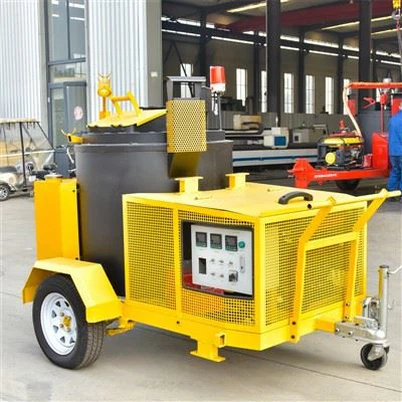
If you notice cracks or splits in the road joint filling, it is essential to address the issue promptly. Ignoring these signs can result in more extensive damage, such as potholes and pavement failures. Our 200L Series Asphalt Crack Sealing Machine is a reliable solution for repairing small to medium-sized cracks in road joint filling. It is designed to deliver precise and efficient sealing, ensuring a long-lasting repair.

2. Shrinkage and Pull - Away
Another sign of deteriorating road joint filling is shrinkage and pull - away from the joint edges. As the filler material ages, it may lose its elasticity and start to shrink. This shrinkage can create gaps between the joint filling and the surrounding pavement, which can allow water to seep in and cause damage.
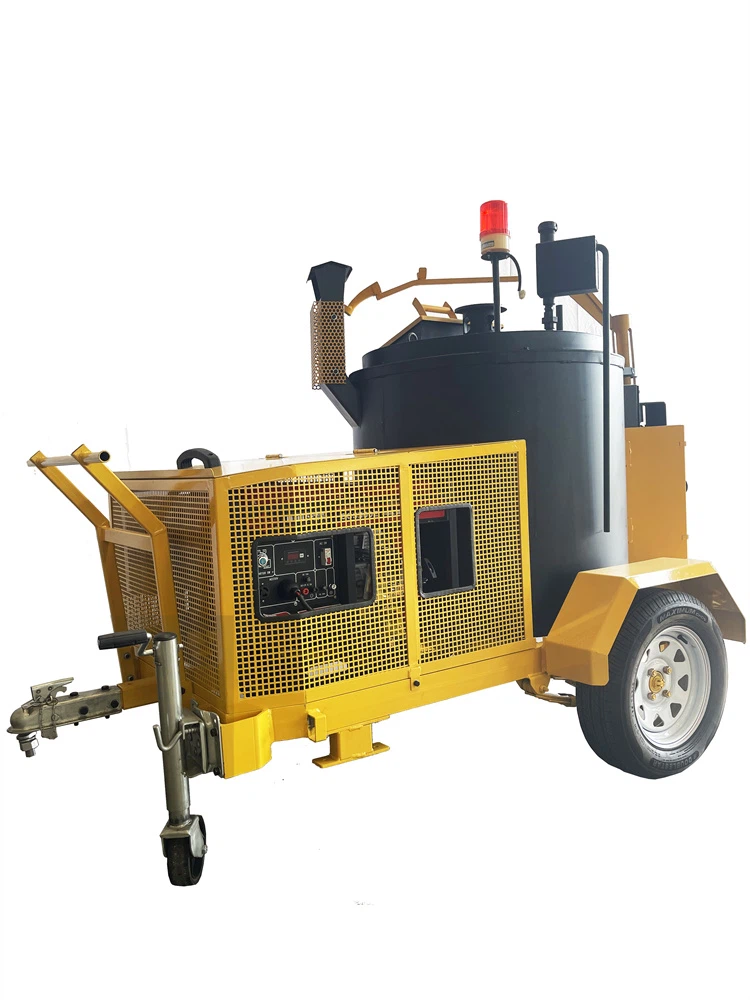
Pull - away can also occur due to improper installation or the use of low - quality materials. When the joint filling pulls away from the edges, it is no longer providing an effective seal, and the road is at risk of further deterioration. Our 420L Traction Grouting Machine is suitable for filling larger joints and can help address issues related to shrinkage and pull - away. It can provide a consistent and well - bonded filling to prevent water infiltration.
3. Erosion and Wear
Erosion and wear are common problems in road joint filling, especially in high - traffic areas. The constant movement of vehicles can cause the filler material to wear down over time. Additionally, exposure to harsh weather conditions, such as heavy rain, snow, and UV radiation, can accelerate the erosion process.
If the road joint filling appears to be eroded or worn thin, it is a clear indication that replacement is needed. Worn joint filling cannot effectively protect the joints from water and debris, which can lead to more significant problems in the long run. Our HJ100A Hand Pushed Seam Sealing Machine is ideal for spot repairs and can be used to replenish worn - out joint filling in specific areas.
4. Water Infiltration
Water infiltration is perhaps the most critical issue associated with failing road joint filling. When water penetrates the joints, it can cause damage to the underlying pavement structure. Freezing and thawing cycles can exacerbate the problem, as water expands when it freezes, putting additional stress on the pavement.
If you notice standing water in the road joints or signs of water damage, such as potholes or soft spots in the pavement, it is likely that the joint filling is no longer providing an adequate seal. Timely replacement of the joint filling can prevent further water - related damage and extend the life of the road.
5. Loss of Adhesion
The joint filling should adhere firmly to the sides of the joint to provide an effective seal. If the filler material is peeling or coming loose from the joint walls, it indicates a loss of adhesion. This can be caused by improper surface preparation before installation, the use of incompatible materials, or environmental factors.
Loss of adhesion compromises the functionality of the joint filling, allowing water and debris to enter the joint. To address this issue, it is necessary to remove the old, non - adherent filling and replace it with a high - quality product. Our range of road joint filling materials is designed to have excellent adhesion properties, ensuring a strong and long - lasting bond.
6. Visible Deterioration in Color and Texture
The color and texture of the road joint filling can also provide clues about its condition. Over time, if the joint filling has been exposed to sunlight and other environmental factors, it may fade or become brittle. A change in color, such as darkening or discoloration, can indicate chemical degradation of the filler material.
A rough or uneven texture may suggest that the filling has been worn down or damaged. These visible signs of deterioration are indicators that the road joint filling should be replaced to maintain the appearance and functionality of the road.
7. Frequent Pothole Formation
If potholes are forming frequently in the vicinity of the road joints, it could be a sign that the joint filling is failing. As water infiltrates through the damaged joint filling, it weakens the underlying pavement, making it more susceptible to pothole formation.
Addressing the root cause by replacing the joint filling can help prevent the recurrence of potholes. By ensuring a proper seal at the joints, water is kept out, reducing the risk of pavement damage.
8. Impact on Traffic Safety
Failing road joint filling can also have an impact on traffic safety. Cracks, uneven surfaces, and potholes caused by deteriorated joint filling can pose hazards to drivers, cyclists, and pedestrians. Bumps and dips in the road can cause vehicles to lose control, especially at high speeds.
If you observe that the road joint filling is contributing to an unsafe driving or walking environment, it is imperative to take action and replace the filling as soon as possible. This not only improves safety but also helps to maintain the overall quality of the road network.
Why Choose Our Road Joint Filling Products
As a professional road joint filling supplier, we offer a wide range of high - quality products and equipment. Our road joint filling materials are formulated to withstand harsh environmental conditions, heavy traffic, and temperature variations. They have excellent adhesion, flexibility, and durability, ensuring a long - lasting seal.
Our machines, such as the 200L Series Asphalt Crack Sealing Machine, 420L Traction Grouting Machine, and HJ100A Hand Pushed Seam Sealing Machine, are designed for efficiency and precision. They can help you complete road joint filling projects quickly and effectively, saving you time and money.
If you are experiencing any of the signs mentioned above and need to replace your road joint filling, we are here to assist you. Our team of experts can provide you with professional advice and guidance on the best products and solutions for your specific needs. Contact us today to start a discussion about your road joint filling requirements. We look forward to working with you to keep your roads in excellent condition.
References
- "Pavement Joint Sealants: Materials, Design, and Construction" by the Federal Highway Administration.
- "Guide for Design, Installation, and Maintenance of Joint Sealants in Concrete Pavements" by the American Concrete Pavement Association.