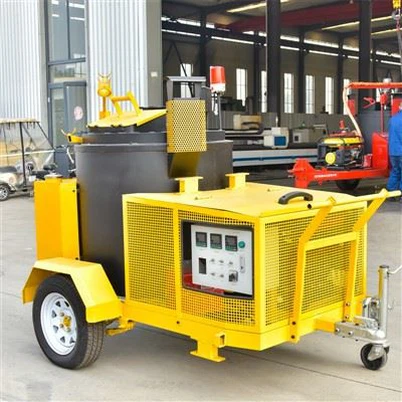
What are the shock - absorption features of a road maintenance vehicle?
Leave a message

Hey there! As a supplier of road maintenance vehicles, I've had my fair share of chats with folks about the ins and outs of these machines. One topic that always comes up is the shock - absorption features. You know, it's not just about making the ride smooth for the operator; it's also about the overall performance and longevity of the vehicle. So, let's dive into what makes our road maintenance vehicles stand out in terms of shock absorption.
First off, why is shock absorption so important for a road maintenance vehicle? Well, think about the kind of surfaces these vehicles have to deal with. They're constantly on the move, from smooth city streets to bumpy rural roads. Without proper shock absorption, the vehicle's components can take a real beating. This can lead to premature wear and tear, increased maintenance costs, and even affect the accuracy of the road maintenance tasks. For instance, if you're using a vehicle for crack sealing or pothole patching, a rough ride can make it difficult to apply the materials precisely.
Now, let's talk about the shock - absorption features we've incorporated into our vehicles. One of the key elements is the suspension system. Our Electric Four-wheel Road Maintenance Vehicle is equipped with a high - performance independent suspension. This means that each wheel can move independently in response to bumps and uneven surfaces. When one wheel hits a pothole, it doesn't transfer the shock to the other wheels. This not only provides a smoother ride for the operator but also helps to keep the vehicle stable. The independent suspension allows the tires to maintain better contact with the road, which is crucial for traction, especially when the vehicle is carrying heavy loads or operating in wet conditions.
Another great feature is the use of high - quality shock absorbers. These are like the unsung heroes of the shock - absorption system. They work by converting the kinetic energy from the bumps into heat energy, which is then dissipated. Our shock absorbers are designed to be adjustable, so the operator can fine - tune the ride based on the road conditions and the type of maintenance work being done. For example, if you're working on a particularly rough rural road, you can adjust the shock absorbers to a stiffer setting to reduce the amount of bouncing. On the other hand, if you're on a smooth highway, you can soften the setting for a more comfortable ride. This level of adjustability gives our customers more control over the vehicle's performance.
In addition to the suspension and shock absorbers, we've also paid close attention to the tires. The tires on our Rural Road Maintenance Vehicle are specially selected for their shock - absorbing properties. They have a thick tread and a flexible sidewall, which helps to absorb the shock from bumps and uneven surfaces. The tread pattern is also designed to provide good traction, even on loose or slippery roads. This is important because it not only improves the safety of the vehicle but also helps to reduce the wear on the tires. When the tires can absorb the shock, they're less likely to experience excessive wear and tear, which means they'll last longer.


We've also incorporated some advanced technologies into our shock - absorption systems. One of these is the use of smart sensors. These sensors are installed throughout the vehicle and can detect changes in the road surface, vehicle speed, and load. Based on this information, the sensors can automatically adjust the shock absorbers to provide the optimal level of shock absorption. This means that the vehicle can adapt to different road conditions in real - time, without the operator having to make manual adjustments. For example, if the vehicle is approaching a section of rough road, the sensors can detect the change in the terrain and adjust the shock absorbers to a stiffer setting before the vehicle hits the bumps. This technology is particularly useful for our New Energy Road Maintenance Vehicle, which is often used in a variety of road conditions.
The shock - absorption features of our road maintenance vehicles not only improve the comfort of the operator but also have a significant impact on the performance and durability of the vehicle. By reducing the stress on the components, we can extend the lifespan of the vehicle and reduce the need for frequent maintenance. This, in turn, can save our customers money in the long run.
If you're in the market for a road maintenance vehicle and are interested in learning more about our shock - absorption features, or if you have any other questions about our products, don't hesitate to reach out. We're always happy to have a chat and help you find the right vehicle for your needs. Whether you're a small local maintenance company or a large government agency, we've got a solution that's perfect for you. So, let's have a discussion and see how our road maintenance vehicles can meet your requirements!
References
- General knowledge of road maintenance vehicle design and technology.
- Internal product research and development documents.