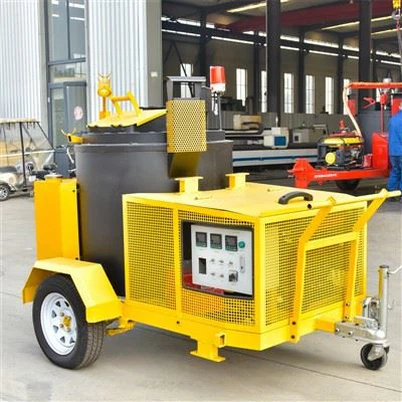
What are the noise - reduction measures in a Highway Maintenance Car?
Leave a message

Hey there! As a supplier of Highway Maintenance Cars, I've seen firsthand the importance of noise reduction in these vehicles. Highway maintenance work often happens in areas close to residential zones, commercial areas, or even wildlife habitats. Excessive noise from our maintenance cars can be a real nuisance to the public and might also have an impact on the environment. So, in this blog, I'm gonna share some of the noise - reduction measures we take in our Highway Maintenance Cars.
Engine Noise Reduction
The engine is one of the major sources of noise in a Highway Maintenance Car. To tackle this, we use advanced engine technology. For instance, we install engines with low - noise combustion chambers. These chambers are designed to burn fuel more efficiently and quietly. The shape and size of the combustion chamber are optimized to reduce the pressure fluctuations that cause noise during the combustion process.
Another thing we do is use high - quality engine oil. Good engine oil not only lubricates the engine parts but also helps in damping the noise generated by the moving components. We recommend using synthetic engine oils as they have better viscosity stability and anti - wear properties, which can further reduce the noise level.


We also insulate the engine compartment. We line the walls of the engine compartment with sound - absorbing materials like fiberglass or foam. These materials can absorb a significant amount of the noise generated by the engine and prevent it from spreading to the outside of the vehicle. You can check out our Highway Maintenance Vehicle for more details on how we implement these engine noise - reduction features.
Exhaust System Noise Reduction
The exhaust system is another significant noise source. To reduce the noise from the exhaust, we install high - performance mufflers. These mufflers are designed with a series of chambers and baffles that help to dissipate the energy of the exhaust gases and reduce the noise level.
We also use catalytic converters that are not only good for the environment but also contribute to noise reduction. The catalytic converter helps to smooth out the flow of exhaust gases, which in turn reduces the noise caused by the turbulent flow of gases.
In addition, we make sure that the exhaust pipes are properly insulated. We wrap the exhaust pipes with heat - resistant and sound - absorbing materials. This not only reduces the noise but also helps to keep the heat from the exhaust system from affecting other parts of the vehicle. If you're interested in a vehicle with a well - designed exhaust system for noise reduction, our Road Comprehensive Maintenance Vehicle is a great option.
Hydraulic System Noise Reduction
Highway Maintenance Cars often have hydraulic systems for various functions like lifting equipment or operating tools. Hydraulic systems can generate noise due to the flow of hydraulic fluid and the operation of pumps and valves.
To reduce the noise from the hydraulic system, we use low - noise hydraulic pumps. These pumps are designed to operate more smoothly and quietly. They have features like precision - machined components and optimized flow paths to minimize the noise generated during the pumping process.
We also install hydraulic accumulators. These accumulators help to dampen the pressure fluctuations in the hydraulic system, which can reduce the noise caused by sudden changes in pressure.
Moreover, we use high - quality hydraulic hoses and fittings. Leaky hoses or loose fittings can cause noise, so we ensure that all the hoses are properly installed and the fittings are tightened to prevent any noise from escaping. Our Road Cleaning Vehicle has a well - maintained hydraulic system with effective noise - reduction measures.
Tire Noise Reduction
Tires can also be a source of noise, especially when the vehicle is moving at high speeds on the highway. To reduce tire noise, we choose tires with a low - noise tread pattern. These tread patterns are designed to minimize the contact noise between the tire and the road surface.
We also make sure that the tires are properly inflated. Under - inflated or over - inflated tires can generate more noise. By maintaining the correct tire pressure, we can reduce the noise level and also improve the fuel efficiency of the vehicle.
In addition, we use wheel covers or mudguards that are designed to reduce the noise caused by the splashing of water and debris from the tires. These accessories can help to deflect the noise and make the ride quieter.
Cabin Noise Reduction
The comfort of the driver is also important, and reducing the noise inside the cabin is a key part of that. We use sound - insulating materials in the cabin walls, floor, and ceiling. These materials can block out the external noise and create a quieter environment for the driver.
We also install double - glazed windows in the cabin. Double - glazed windows have an air gap between two layers of glass, which can effectively reduce the noise transmission from the outside.
The seats in our Highway Maintenance Cars are also designed to reduce vibration and noise. They are made with high - quality padding and materials that can absorb the vibrations and make the ride more comfortable.
Other Noise - Reduction Measures
We also pay attention to the overall design of the vehicle. We try to minimize the number of moving parts that can generate noise. For example, we use sealed bearings and joints to reduce the noise caused by friction.
We conduct regular maintenance on our vehicles. Loose parts, worn - out components, or misaligned systems can all increase the noise level. By keeping the vehicle in good condition, we can ensure that it operates quietly.
In conclusion, noise reduction is a crucial aspect of our Highway Maintenance Cars. We use a combination of advanced technologies and high - quality materials to reduce the noise from various sources in the vehicle. Whether it's the engine, exhaust system, hydraulic system, tires, or cabin, we've got it covered.
If you're in the market for a Highway Maintenance Car with effective noise - reduction measures, don't hesitate to contact us for a purchase negotiation. We're always ready to provide you with the best solutions for your highway maintenance needs.
References:
- Automotive Noise Control Handbook. Edited by Ronald J. Gibbs.
- Principles of Vehicle Noise and Vibration. By Nigel Collop and John Crolla.