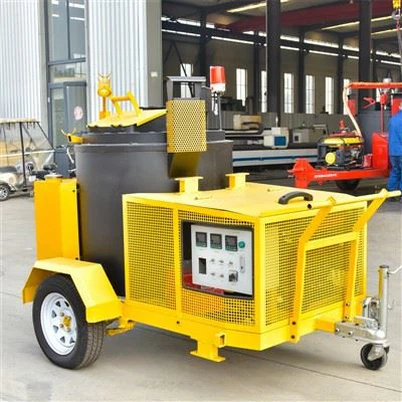
What are the noise levels of a highway maintenance lorry?
Leave a message

Hey there! As a supplier of Highway Maintenance Lorry, I often get asked about the noise levels of these beasts. So, I thought I'd take a deep dive into this topic and share what I've learned over the years.


First off, let's talk about why noise levels matter. When you're out on the highway, a noisy maintenance lorry can be a real nuisance. It not only disrupts the peace for nearby residents but can also be a safety hazard for the workers operating the vehicle. Excessive noise can lead to hearing loss over time, and it can also make it difficult for workers to communicate effectively, increasing the risk of accidents.
The noise levels of a highway maintenance lorry can vary widely depending on several factors. One of the biggest factors is the type of equipment the lorry is carrying. For example, if it's equipped with a jackhammer or a large compressor, these tools can be extremely loud. Jackhammers can produce noise levels upwards of 130 decibels (dB), which is well above the safe limit for long - term exposure. Compressors, on the other hand, can range from 80 dB to 100 dB depending on their size and power.
The engine of the lorry itself is another major contributor to the noise. Older diesel engines tend to be louder than newer, more modern ones. A large diesel engine in a highway maintenance lorry can produce noise levels in the range of 90 dB to 100 dB when idling, and this can increase significantly when the engine is under load, such as when the lorry is climbing a hill or accelerating.
The speed of the lorry also plays a role in the noise levels. As the lorry moves faster, the wind resistance and the movement of the tires on the road surface generate more noise. At highway speeds, the noise from the tires and the wind can add an additional 10 dB to 20 dB to the overall noise level of the vehicle.
Now, let's look at some of the ways we can measure the noise levels of a highway maintenance lorry. There are specialized sound level meters that can be used to accurately measure the noise. These meters are calibrated to measure the sound pressure level in decibels. To get an accurate reading, the meter should be placed at a specific distance from the source of the noise, usually around 1 - 2 meters away.
When it comes to reducing the noise levels of our highway maintenance lorries, there are several strategies we can employ. One of the most effective ways is to use noise - reducing equipment. For example, we can install mufflers on the exhaust systems of the engines and the compressors. Mufflers work by reducing the sound waves produced by the engine or the compressor, thereby lowering the overall noise level.
We can also use noise - absorbing materials inside the cab of the lorry. These materials, such as acoustic foam, can help to reduce the amount of noise that enters the cab, making it a more comfortable and safer environment for the driver. Additionally, we can choose to use quieter tools and equipment. There are now many modern tools available that are designed to operate with less noise. For example, some jackhammers use advanced technology to reduce the impact noise, resulting in a much quieter operation.
Another important aspect is the maintenance of the lorry. A well - maintained lorry is likely to be quieter than one that is in poor condition. Regular maintenance, such as changing the oil, checking the belts, and tightening loose parts, can help to keep the noise levels down. Loose parts can rattle and vibrate, adding to the overall noise of the vehicle.
As a supplier of Highway Maintenance Lorry, we are committed to providing our customers with lorries that meet the highest standards of noise reduction. We work closely with our manufacturers to ensure that our lorries are equipped with the latest noise - reducing technologies.
In addition to highway maintenance lorries, we also offer Motorway Maintenance Vehicles and Road Repair Vehicle. These vehicles also have their own unique noise - related challenges, but we apply the same principles of noise reduction across all our products.
If you're in the market for a highway maintenance lorry or any other road maintenance vehicle, it's important to consider the noise levels. Not only will a quieter vehicle be more comfortable for the operators, but it will also have less of an impact on the surrounding environment.
So, if you're interested in learning more about our products or want to discuss your specific requirements, don't hesitate to reach out. We're here to help you find the perfect vehicle for your needs. Whether you're a small local maintenance company or a large national organization, we have the expertise and the products to meet your demands.
Let's work together to keep our roads in top condition while minimizing the noise impact. Contact us today to start the conversation about your next purchase of a highway maintenance lorry or other road maintenance vehicles.
References:
- "Noise Control Engineering: Principles and Applications" by Cyril M. Harris
- "Handbook of Noise Measurement" by GenRad Inc.