What are the environmental impacts of road joint filling waste?
Leave a message

As a road joint filling supplier, I've witnessed firsthand the crucial role that road joint filling plays in maintaining the integrity and safety of our roadways. However, like any industrial process, it generates waste, and it's essential to understand the environmental impacts associated with this waste. In this blog post, I'll delve into the various environmental implications of road joint filling waste and discuss potential solutions to mitigate these effects.
Types of Road Joint Filling Waste
Road joint filling waste primarily consists of used sealants, adhesives, and debris removed during the joint filling process. Sealants are commonly made from materials such as asphalt, rubber, and polymers, which are designed to provide a waterproof and flexible barrier between road joints. Over time, these sealants can deteriorate due to exposure to environmental factors such as sunlight, temperature fluctuations, and traffic loads, necessitating their replacement.
In addition to used sealants, road joint filling waste may also include debris such as dirt, gravel, and old pavement material that is removed during the preparation of the joint before filling. This debris can contain contaminants such as heavy metals, petroleum products, and other pollutants that can have adverse effects on the environment if not properly managed.
Environmental Impacts of Road Joint Filling Waste
Soil and Water Contamination
One of the most significant environmental impacts of road joint filling waste is the potential for soil and water contamination. When used sealants and debris are disposed of in landfills or other waste disposal sites, they can leach harmful chemicals into the soil and groundwater. These chemicals can include heavy metals such as lead, mercury, and cadmium, as well as petroleum products and other organic compounds.
Contaminated soil and water can have a range of negative effects on the environment and human health. For example, heavy metals can accumulate in the food chain, posing a risk to wildlife and human populations. Petroleum products can contaminate water sources, making them unfit for drinking or irrigation, and can also have toxic effects on aquatic organisms.
Air Pollution
Another environmental concern associated with road joint filling waste is air pollution. During the production, application, and disposal of road joint filling materials, various pollutants can be released into the atmosphere. These pollutants can include volatile organic compounds (VOCs), particulate matter (PM), and greenhouse gases (GHGs).
VOCs are organic chemicals that can evaporate into the air at room temperature. They are commonly found in sealants, adhesives, and other road joint filling materials and can contribute to the formation of ground-level ozone, a harmful air pollutant that can cause respiratory problems and other health issues. PM refers to tiny particles of solid or liquid matter that are suspended in the air. These particles can be emitted during the production and application of road joint filling materials and can have negative effects on air quality and human health.
GHGs, such as carbon dioxide (CO2), methane (CH4), and nitrous oxide (N2O), are gases that trap heat in the Earth's atmosphere, contributing to global warming and climate change. The production, transportation, and disposal of road joint filling materials can generate significant amounts of GHGs, particularly from the use of fossil fuels in manufacturing processes and transportation.
Habitat Destruction
The disposal of road joint filling waste can also have an impact on natural habitats. Landfills and other waste disposal sites can disrupt ecosystems by destroying natural habitats, fragmenting wildlife corridors, and altering the hydrology of the area. In addition, the release of pollutants from waste disposal sites can contaminate nearby water bodies and soil, further damaging habitats and threatening the survival of plant and animal species.
Mitigating the Environmental Impacts of Road Joint Filling Waste
Recycling and Reuse
One of the most effective ways to mitigate the environmental impacts of road joint filling waste is through recycling and reuse. Many road joint filling materials, such as asphalt and rubber, can be recycled and used in the production of new materials. Recycling not only reduces the amount of waste sent to landfills but also conserves natural resources and reduces energy consumption.
For example, Asphalt Pavement Thermal Regeneration Repair Vehicle technology can be used to recycle old asphalt pavement and reuse it in new road construction projects. This process involves heating the old asphalt to a high temperature, breaking it down into its component parts, and then mixing it with new asphalt and other additives to create a new pavement material.
Proper Waste Management
Proper waste management practices are also essential for minimizing the environmental impacts of road joint filling waste. This includes ensuring that waste is collected, transported, and disposed of in accordance with local regulations and best practices. Waste should be separated into different categories, such as hazardous and non-hazardous waste, and disposed of in appropriate facilities.


In addition, waste management facilities should be designed and operated to minimize the release of pollutants into the environment. This can include using advanced treatment technologies to remove contaminants from waste before disposal, as well as implementing measures to prevent the escape of dust, odors, and other pollutants during the waste management process.
Use of Environmentally Friendly Materials
Another way to reduce the environmental impacts of road joint filling is to use environmentally friendly materials. Many manufacturers are now developing road joint filling materials that are made from renewable resources, have low VOC emissions, and are biodegradable. These materials can help to reduce the environmental footprint of road joint filling while still providing the same level of performance as traditional materials.
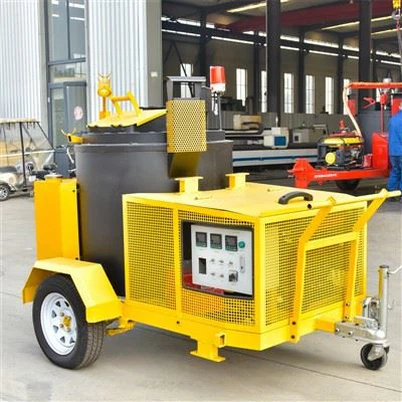
For example, Electric Sealing Machine and FAGF200 Asphalt Crack Sealing Machine are designed to use less energy and produce fewer emissions compared to traditional sealing machines. These machines can also be used with environmentally friendly sealants and adhesives, further reducing the environmental impact of the road joint filling process.
Conclusion
As a road joint filling supplier, I'm committed to minimizing the environmental impacts of our products and services. By understanding the environmental implications of road joint filling waste and implementing effective mitigation strategies, we can help to protect the environment and ensure the long-term sustainability of our roadways.
If you're interested in learning more about our road joint filling products and services, or if you have any questions about the environmental impacts of road joint filling waste, please don't hesitate to contact us. We'd be happy to discuss your needs and provide you with more information on how we can help you reduce your environmental footprint while maintaining the integrity and safety of your roadways.
References
- "Environmental Impact of Road Construction and Maintenance." Federal Highway Administration.
- "Waste Management in the Construction Industry." Environmental Protection Agency.
- "Sustainable Materials for Road Construction and Maintenance." World Road Association.