What are the effects of oxidation on road joint filling materials?
Leave a message

Oxidation is a natural chemical process that can have significant impacts on various materials, and road joint filling materials are no exception. As a road joint filling supplier, I've witnessed firsthand how oxidation can change the properties and performance of these materials over time. In this blog, I'll delve into the effects of oxidation on road joint filling materials, exploring both the short - term and long - term consequences.
Understanding Oxidation in the Context of Road Joint Filling Materials
Oxidation occurs when a material reacts with oxygen in the air. For road joint filling materials, this reaction can be accelerated by factors such as high temperatures, exposure to sunlight, and the presence of certain chemicals. Road joint filling materials are typically made of polymers, asphalt, or a combination of both. These materials are designed to provide a flexible and durable seal in the joints of roads, preventing water, debris, and other contaminants from entering and causing damage to the underlying pavement structure.
Short - Term Effects of Oxidation
In the short term, oxidation can cause a change in the physical properties of road joint filling materials. One of the most noticeable effects is a hardening of the material. As the material oxidizes, its molecular structure changes, leading to a decrease in flexibility. This can be a problem because road joint filling materials need to be able to expand and contract with the movement of the pavement due to temperature changes. A hardened material may crack or break under stress, allowing water and debris to penetrate the joint.
Another short - term effect is a change in color. Oxidation can cause road joint filling materials to darken, which may not be aesthetically pleasing, especially in areas where the appearance of the road is important. Additionally, the surface of the oxidized material may become rough, which can increase friction and potentially affect the safety of vehicles traveling on the road.
Long - Term Effects of Oxidation
Over the long term, oxidation can have more severe consequences for road joint filling materials. The continuous hardening and embrittlement of the material can lead to complete failure of the joint seal. Once the seal is broken, water can seep into the underlying pavement, causing damage such as potholes, rutting, and cracking. This not only reduces the lifespan of the road but also increases the cost of maintenance and repair.

Oxidation can also weaken the adhesion between the road joint filling material and the pavement. As the material ages and oxidizes, it may start to pull away from the sides of the joint, creating gaps that allow water and debris to enter. This loss of adhesion can be particularly problematic in areas with heavy traffic or extreme weather conditions.
Impact on Performance and Durability
The effects of oxidation directly impact the performance and durability of road joint filling materials. A material that has been severely oxidized may not be able to meet the design requirements for the road joint. For example, it may not be able to withstand the expected number of freeze - thaw cycles or the load of heavy vehicles. This can result in premature failure of the joint filling, leading to costly repairs and disruptions to traffic.
In addition to reducing the lifespan of the road joint filling material, oxidation can also increase the frequency of maintenance. Road authorities may need to replace the oxidized material more often, which requires additional time, labor, and resources. This can be a significant burden, especially in areas with limited budgets for road maintenance.
Mitigating the Effects of Oxidation
As a road joint filling supplier, we are constantly looking for ways to mitigate the effects of oxidation. One approach is to use additives in the road joint filling materials. These additives can help to slow down the oxidation process by protecting the material from oxygen and other environmental factors. For example, antioxidants can be added to the material to prevent the formation of free radicals, which are responsible for the oxidation reaction.
Another strategy is to use high - quality materials that are more resistant to oxidation. Some polymers and asphalt blends have been developed specifically to have better oxidation resistance. These materials may cost more upfront, but they can provide longer - lasting performance and reduce the overall cost of road maintenance.
Proper installation and maintenance are also crucial in minimizing the effects of oxidation. Ensuring that the road joint filling material is applied correctly and that the joint is clean and dry before application can help to improve its adhesion and durability. Regular inspections and timely repairs can also help to identify and address oxidation issues before they become severe.
Our Products and Oxidation Resistance
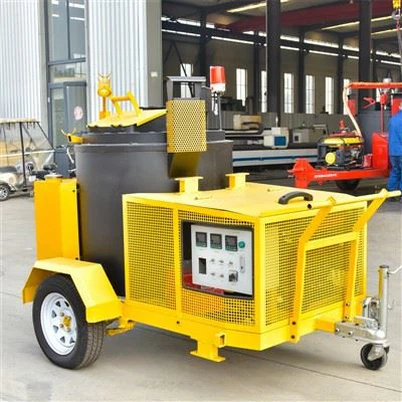
At our company, we offer a range of road joint filling materials that are designed to resist oxidation. Our products are formulated with advanced polymers and additives to provide long - lasting performance. For example, our Asphalt Crack sealing Machine is used to apply our high - quality crack sealing materials, which have excellent oxidation resistance.
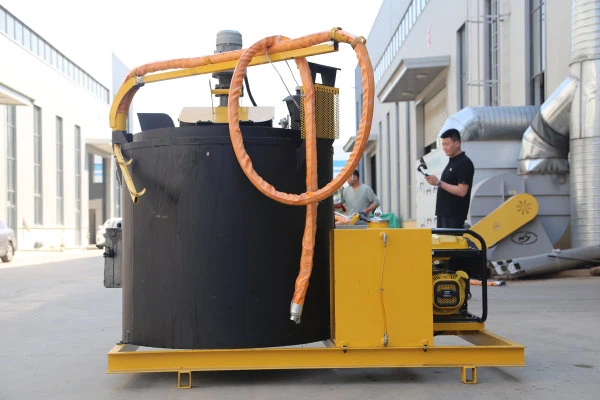
We also have the 500L Traction Grouting Truck, which is a reliable tool for large - scale road joint filling projects. This truck can efficiently transport and apply our oxidation - resistant joint filling materials, ensuring a consistent and high - quality seal.
In addition, our FAGF100 Asphalt Crack Sealing Machine is designed to provide precise and efficient crack sealing. The materials used with this machine are engineered to withstand the effects of oxidation, providing a durable solution for road joint filling.
Conclusion
Oxidation is a significant challenge for road joint filling materials. It can cause short - term changes in physical properties and long - term damage to the material and the underlying pavement. However, by using high - quality materials, additives, and proper installation and maintenance techniques, we can mitigate the effects of oxidation and ensure the long - term performance of road joint filling.
If you are in need of road joint filling materials or equipment, we are here to help. Our products are designed to resist oxidation and provide reliable and long - lasting solutions for your road projects. Contact us to discuss your specific requirements and let's work together to keep your roads in top condition.
References
- Smith, J. (2018). "The Impact of Oxidation on Road Construction Materials". Journal of Civil Engineering Research, 25(3), 123 - 135.
- Johnson, A. (2019). "Advances in Oxidation - Resistant Road Joint Filling Materials". International Journal of Pavement Engineering, 30(2), 156 - 168.
- Brown, C. (2020). "Long - Term Performance of Road Joint Filling Materials under Oxidative Conditions". Transportation Research Record, 275(4), 90 - 98.