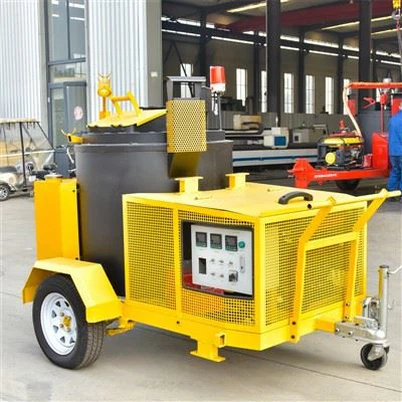
What are the cooling systems in a road maintenance truck?
Leave a message

What are the cooling systems in a road maintenance truck?
As a supplier of road maintenance trucks, I've witnessed firsthand the critical role that cooling systems play in the efficient and reliable operation of these vehicles. Road maintenance trucks are designed to perform a variety of tasks, from asphalt paving and road repair to cleaning and snow removal. These operations often generate a significant amount of heat, which can cause damage to the truck's engine, transmission, and other vital components if not properly managed. In this blog post, I'll explore the different types of cooling systems used in road maintenance trucks and explain how they work to keep these vehicles running smoothly.
Engine Cooling System
The engine cooling system is one of the most important components of a road maintenance truck. Its primary function is to regulate the temperature of the engine by removing excess heat generated during combustion. Without an effective cooling system, the engine would overheat, leading to reduced performance, increased wear and tear, and potentially catastrophic damage.
Most road maintenance trucks use a liquid-cooled engine cooling system. This system consists of a radiator, water pump, thermostat, and coolant hoses. The radiator is a heat exchanger that transfers heat from the coolant to the surrounding air. The water pump circulates the coolant through the engine and radiator, while the thermostat regulates the flow of coolant based on the engine's temperature.
The coolant, typically a mixture of water and antifreeze, absorbs heat from the engine and carries it to the radiator. As the coolant passes through the radiator, the heat is dissipated into the air, and the cooled coolant is then returned to the engine to repeat the process. This continuous cycle helps to maintain the engine at a safe operating temperature.
Transmission Cooling System
In addition to the engine cooling system, road maintenance trucks also require a transmission cooling system. The transmission is responsible for transferring power from the engine to the wheels, and it generates a significant amount of heat during operation. If the transmission overheats, it can cause damage to the gears, clutches, and other components, leading to costly repairs and downtime.
The transmission cooling system works in a similar way to the engine cooling system. It consists of a transmission cooler, which is typically located in front of the radiator, and a transmission fluid pump. The transmission fluid absorbs heat from the transmission and carries it to the cooler. As the fluid passes through the cooler, the heat is dissipated into the air, and the cooled fluid is then returned to the transmission.
Some road maintenance trucks also use an auxiliary transmission cooler to provide additional cooling capacity. This cooler is typically located behind the radiator and is connected to the transmission cooler by a series of hoses. The auxiliary cooler helps to keep the transmission fluid at a lower temperature, especially during heavy-duty operations or in hot weather conditions.
Hydraulic System Cooling System
Many road maintenance trucks are equipped with hydraulic systems that are used to power various components, such as the asphalt pump, snowplow, and road sweeper. These hydraulic systems generate a significant amount of heat during operation, which can cause damage to the hydraulic fluid and components if not properly managed.
The hydraulic system cooling system consists of a hydraulic oil cooler, which is typically located in front of the radiator, and a hydraulic oil pump. The hydraulic oil absorbs heat from the hydraulic system and carries it to the cooler. As the oil passes through the cooler, the heat is dissipated into the air, and the cooled oil is then returned to the hydraulic system.

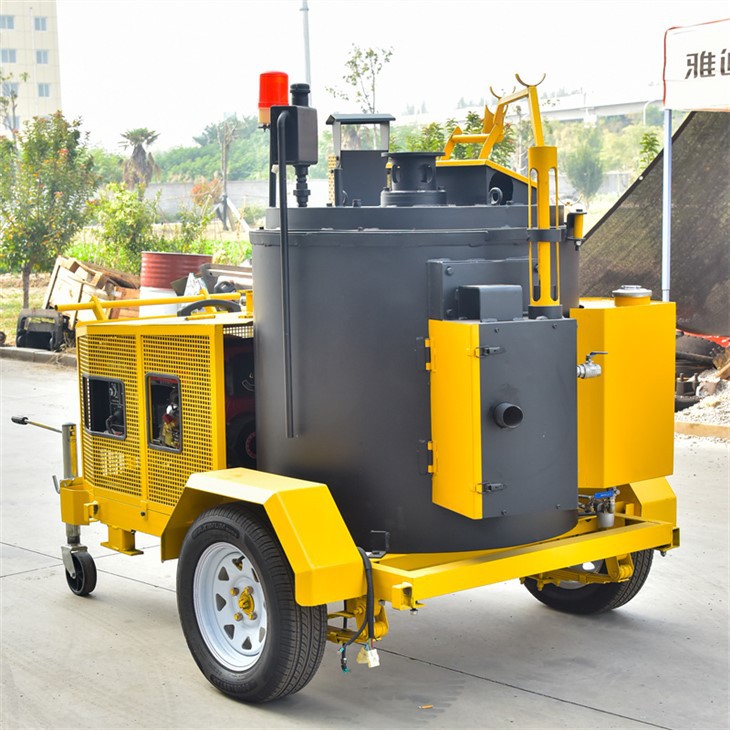
Some road maintenance trucks also use an auxiliary hydraulic oil cooler to provide additional cooling capacity. This cooler is typically located behind the radiator and is connected to the hydraulic oil cooler by a series of hoses. The auxiliary cooler helps to keep the hydraulic oil at a lower temperature, especially during heavy-duty operations or in hot weather conditions.
Air Conditioning System
The air conditioning system is another important cooling system in a road maintenance truck. It provides a comfortable working environment for the driver and passengers, especially during hot weather conditions. The air conditioning system works by removing heat and moisture from the air inside the cab and circulating cool, dry air.
The air conditioning system consists of a compressor, condenser, evaporator, and refrigerant. The compressor compresses the refrigerant gas, which increases its temperature and pressure. The hot, high-pressure refrigerant gas then flows to the condenser, where it releases heat to the surrounding air and condenses into a liquid. The liquid refrigerant then flows to the evaporator, where it absorbs heat from the air inside the cab and evaporates into a gas. The cool, low-pressure refrigerant gas then flows back to the compressor to repeat the process.
Importance of Regular Maintenance
To ensure the proper functioning of the cooling systems in a road maintenance truck, it's important to perform regular maintenance. This includes checking the coolant level, inspecting the radiator and hoses for leaks and damage, and replacing the coolant and filters at the recommended intervals.
Regular maintenance also includes checking the transmission fluid level, inspecting the transmission cooler and hoses for leaks and damage, and replacing the transmission fluid and filter at the recommended intervals. Similarly, the hydraulic system should be checked regularly for leaks and damage, and the hydraulic oil should be changed at the recommended intervals.
In addition to regular maintenance, it's also important to operate the road maintenance truck within its recommended limits. This includes avoiding overloading the vehicle, driving at excessive speeds, and operating the vehicle in extreme weather conditions. By following these guidelines, you can help to extend the life of the cooling systems and ensure the reliable operation of the road maintenance truck.
Conclusion
Cooling systems play a crucial role in the efficient and reliable operation of road maintenance trucks. The engine cooling system, transmission cooling system, hydraulic system cooling system, and air conditioning system all work together to keep the vehicle's components at a safe operating temperature. By understanding how these systems work and performing regular maintenance, you can help to ensure the longevity and performance of your road maintenance truck.
If you're in the market for a road maintenance truck, we offer a wide range of high-quality vehicles, including the Asphalt Recycling and Maintenance Vehicle 2000L, Road Repair Machine, and Road Cleaning Equipment. Our trucks are equipped with advanced cooling systems to ensure optimal performance and reliability.
If you have any questions or would like to discuss your road maintenance truck needs, please don't hesitate to contact us. We're here to help you find the right vehicle for your specific requirements and provide you with the support and service you need to keep it running smoothly.
References
- Automotive Cooling System Basics. (n.d.). Retrieved from https://www.aa1car.com/library/cooling_system_basics.htm
- Hydraulic System Cooling. (n.d.). Retrieved from https://www.hydraulicsonline.com/hydraulic-system-cooling/
- How Air Conditioning Works. (n.d.). Retrieved from https://www.energy.gov/energysaver/how-air-conditioning-works