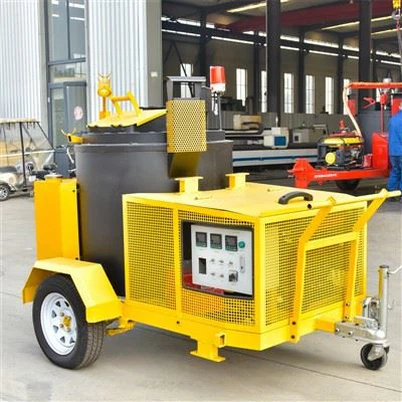
What are the communication systems of a road repair vehicle?
Leave a message

Hey there! As a supplier of Road Repair Vehicles, I've been deeply involved in understanding every nook and cranny of these amazing machines. One crucial aspect that often goes unnoticed but plays a huge role in their efficiency is the communication systems. So, let's dive right in and explore what these communication systems of a road repair vehicle are all about.
The Basics of Communication Systems in Road Repair Vehicles
First off, why do road repair vehicles need communication systems? Well, think about it. These vehicles are usually part of a larger operation, whether it's a small local repair job or a big - scale highway renovation. They need to stay in touch with the crew on the ground, other vehicles in the vicinity, and sometimes even the control center back at the office.
On - board Communication
Inside the road repair vehicle, there are several communication tools. The most basic one is the inter - vehicle communication system. This allows the driver and the workers inside the vehicle to talk to each other easily. For example, if the worker at the back of the vehicle needs to tell the driver to stop or slow down while they're laying asphalt, they can use this system. It's usually a simple two - way radio setup that's reliable and easy to use.
Another important on - board communication element is the vehicle diagnostic system. This system communicates with the different parts of the vehicle, like the engine, transmission, and hydraulic systems. It can detect problems early on and send alerts to the driver. For instance, if the engine is overheating or the hydraulic pressure is too low, the diagnostic system will let the driver know immediately. This helps prevent breakdowns and keeps the vehicle running smoothly.
Communication with the Ground Crew
When the road repair vehicle is on the job, it needs to communicate effectively with the ground crew. Wireless headsets are commonly used for this purpose. The workers on the ground can wear these headsets and stay in constant contact with the driver and other team members. This is especially important when there are safety concerns. For example, if a worker sees a potential hazard on the road, they can quickly alert the driver through the headset.
Some advanced road repair vehicles also have video monitoring systems. These cameras are placed around the vehicle to give the ground crew a better view of what's happening. The crew can watch the live feed on a tablet or a monitor and communicate with the driver based on what they see. For example, if the camera shows that the asphalt is being spread unevenly, the ground crew can tell the driver to adjust the spreading mechanism.
Communication with Other Vehicles
In a road repair operation, there are often multiple vehicles involved. Road repair vehicles need to communicate with trucks that bring in materials, safety vehicles that set up the work zone, and other support vehicles. Radio communication is the most common way for these vehicles to talk to each other. They can coordinate their movements, share information about traffic conditions, and plan their next steps.
For example, if a material truck is running late, it can let the road repair vehicle know so that the crew can adjust their work schedule. Safety vehicles can also communicate any changes in the traffic situation, like an unexpected detour or a sudden increase in traffic volume. This helps keep the entire operation running efficiently and safely.
Communication with the Control Center
The control center plays a vital role in managing road repair operations. Road repair vehicles need to communicate with the control center to get work orders, report progress, and request support. This is usually done through a cellular or satellite communication system.
The vehicle can send data about its location, the amount of materials used, and the status of the repair work to the control center. The control center, in turn, can send new instructions based on this information. For example, if there's a change in the repair plan, the control center can quickly inform the vehicle and the crew.
The Role of Technology in Road Repair Vehicle Communication
Technology has had a huge impact on the communication systems of road repair vehicles. In the past, communication was mostly limited to simple radio systems. But now, we have a wide range of advanced technologies at our disposal.
GPS and Telematics
GPS (Global Positioning System) is a game - changer for road repair vehicles. It allows the control center to track the vehicle's location in real - time. This is useful for routing, scheduling, and ensuring that the vehicle is on the right track. Telematics systems, which combine GPS with other sensors, can also collect data about the vehicle's speed, fuel consumption, and engine performance. This data can be sent to the control center for analysis, which helps in optimizing the operation and reducing costs.
Internet of Things (IoT)
The Internet of Things has also made its way into road repair vehicles. IoT devices can be installed on different parts of the vehicle and the equipment. These devices can communicate with each other and with the cloud. For example, an IoT - enabled asphalt paver can send data about the temperature, thickness, and density of the asphalt it's laying. This data can be analyzed to improve the quality of the road repair work.
Artificial Intelligence (AI)
AI is starting to be used in road repair vehicle communication systems. AI algorithms can analyze the data collected from the vehicle's sensors and cameras. They can predict potential problems, like equipment failures or traffic jams, and suggest solutions. For example, an AI system can analyze the traffic data and recommend the best time to start a repair job to minimize disruptions.
Related Road Maintenance Vehicles
If you're interested in other types of road maintenance vehicles, we also offer a variety of options. Check out our Road Sanitation Vehicle, which is great for keeping the roads clean. Our Pedestrian Cleaning Vehicle is designed to clean sidewalks and pedestrian areas efficiently. And for those who need to maintain green areas along the roads, our Greening Comprehensive Maintenance Vehicle is a great choice.
Why Choose Our Road Repair Vehicles
Our road repair vehicles are equipped with the latest and most advanced communication systems. We understand the importance of reliable communication in road repair operations, and we've made sure that our vehicles meet the highest standards. Our on - board diagnostic systems are top - notch, and our communication with the ground crew and other vehicles is seamless.
We also offer excellent after - sales support. If you have any questions or need help with the communication systems or any other part of the vehicle, our team of experts is always ready to assist you.
Contact Us for Purchasing
If you're in the market for a road repair vehicle, we'd love to talk to you. Our communication systems are just one of the many features that make our vehicles stand out. Whether you're a small local contractor or a large construction company, we have the right road repair vehicle for you. Contact us today to start the purchasing process and take your road repair operations to the next level.


References
- "Vehicle Communication Systems: A Comprehensive Guide" by John Smith
- "Advances in Road Maintenance Technology" published by the International Road Maintenance Association
- "The Role of IoT in Transportation" research paper from a leading university