What are the best practices for China road joint filling in hot regions?
Leave a message

What are the best practices for China road joint filling in hot regions?
As a leading China road joint filling supplier, I've witnessed firsthand the unique challenges and requirements of road joint filling in hot regions. In this blog, I'll share some of the best practices that can help ensure the durability and effectiveness of road joint filling in these areas.
Understanding the Challenges in Hot Regions
Hot regions present several challenges for road joint filling. High temperatures can cause the joint filler materials to soften, leading to deformation and reduced performance. The expansion and contraction of the road surface due to temperature changes also put additional stress on the joint filler. Moreover, intense sunlight and UV radiation can accelerate the aging of the filler materials, further compromising their integrity.
Selecting the Right Joint Filler Materials
One of the most critical aspects of road joint filling in hot regions is the selection of appropriate filler materials. The ideal joint filler should have high heat resistance, good elasticity, and excellent adhesion to the road surface.

- Polyurethane Sealants: Polyurethane sealants are a popular choice for hot regions. They offer high elasticity, which allows them to accommodate the expansion and contraction of the road surface without cracking. They also have good adhesion properties and can withstand high temperatures. For example, some high - performance polyurethane sealants can maintain their integrity even at temperatures above 60°C.
- Silicone Sealants: Silicone sealants are another excellent option. They have outstanding heat resistance, UV resistance, and weatherability. Silicone sealants can remain flexible over a wide temperature range, making them suitable for the extreme temperature variations in hot regions.
Proper Joint Preparation
Proper joint preparation is essential for the success of road joint filling. Before applying the filler, the joints must be thoroughly cleaned and dried.
- Cleaning: All debris, dust, and loose particles should be removed from the joints. This can be done using a high - pressure air blower or a wire brush. Any existing filler or sealant that has deteriorated should also be removed.
- Drying: The joints must be completely dry before filling. Moisture can prevent the filler from adhering properly to the road surface, leading to premature failure. In hot regions, the high temperatures can usually help with the drying process, but it's still important to ensure that there is no standing water in the joints.
Application Techniques
The application of the joint filler should be carried out carefully to ensure a uniform and effective seal.
- Temperature Control: When applying the filler, it's crucial to consider the temperature of the filler and the road surface. In hot regions, the filler may need to be cooled slightly to prevent it from becoming too soft during application. Some filler materials come with specific temperature requirements for application, and these should be strictly followed.
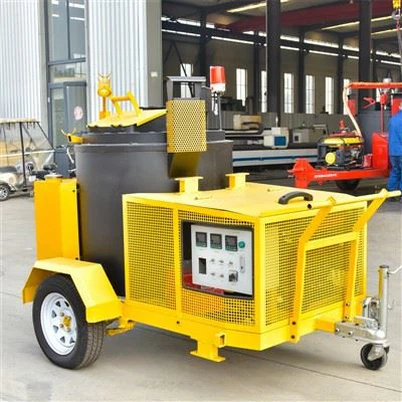
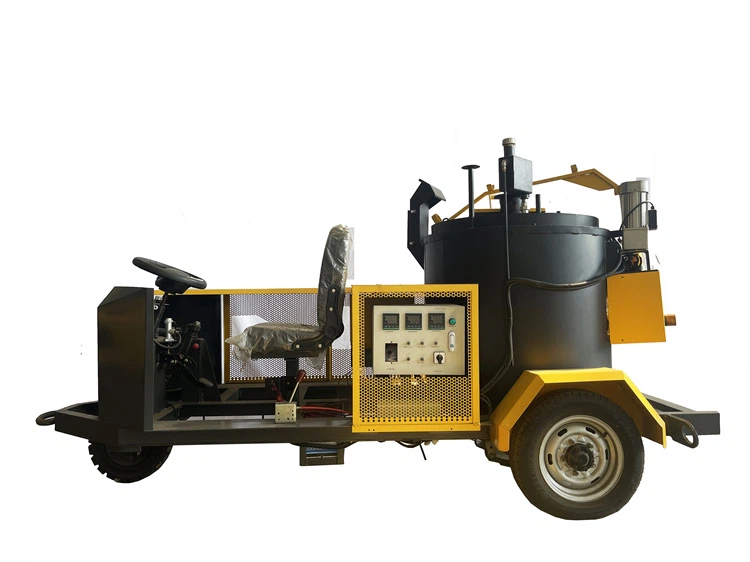
- Proper Equipment: Using the right equipment is also important. For example, an Asphalt Crack Sealing Machine can ensure a precise and efficient application of the filler. This machine can heat the filler to the appropriate temperature and dispense it evenly into the joints.
Quality Control and Inspection
After the joint filling is completed, quality control and inspection are necessary to ensure that the work meets the required standards.
- Visual Inspection: A visual inspection should be carried out to check for any signs of uneven filling, air bubbles, or improper adhesion. Any defects should be corrected immediately.
- Performance Testing: In some cases, performance testing may be required. This can include tests for adhesion strength, flexibility, and resistance to temperature changes.
Maintenance and Long - Term Care
Regular maintenance is crucial for the long - term performance of road joint filling in hot regions.
- Periodic Inspections: Periodic inspections should be carried out to check the condition of the joint filler. Any signs of damage or deterioration should be addressed promptly.
- Re - filling: Over time, the joint filler may need to be re - filled. This is especially true in hot regions where the filler is more likely to be affected by high temperatures and UV radiation.
The Role of Advanced Equipment
In addition to the above practices, the use of advanced equipment can significantly improve the efficiency and quality of road joint filling.
- Fully Automatic Seam Sealing Machine: The Fully Automatic Seam Sealing Machine is a state - of - the - art device that can automate the joint filling process. It can accurately measure and dispense the filler, ensuring a consistent and high - quality seal. This machine can also work at a faster pace, reducing the time required for road joint filling projects.
- D520L High Quality Traction Grouting Machine: The D520L High Quality Traction Grouting Machine is another valuable piece of equipment. It is designed for use in various road joint filling applications. With its high - quality construction and advanced features, it can provide reliable and efficient grouting, even in challenging hot - region conditions.
Conclusion
In conclusion, road joint filling in hot regions requires a comprehensive approach that includes the selection of appropriate materials, proper joint preparation, careful application techniques, quality control, and regular maintenance. By following these best practices and utilizing advanced equipment, we can ensure the durability and effectiveness of road joint filling in China's hot regions.
If you are interested in our road joint filling products and services, please feel free to contact us for further discussions and procurement negotiations. We are committed to providing you with the best solutions for your road joint filling needs.
References
- "Road Construction and Maintenance in Hot Climates" - A research report on the challenges and solutions for road construction in high - temperature regions.
- "Guide to Road Joint Filling Materials" - A technical guide that provides detailed information on different types of joint filler materials and their applications.