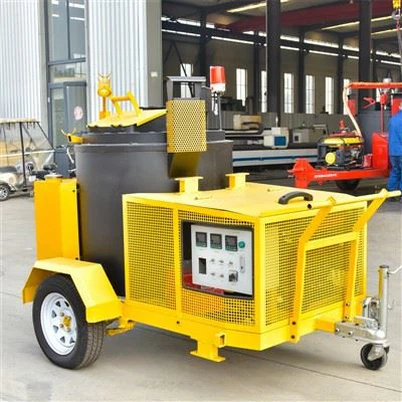
What are the audio - visual aids on a road maintenance vehicle?
Leave a message

As a leading provider of road maintenance vehicles, I've witnessed firsthand the crucial role that audio-visual aids play in enhancing the efficiency, safety, and overall performance of these vehicles. In this blog, I'll delve into the various audio-visual aids commonly found on road maintenance vehicles, exploring their functions, benefits, and how they contribute to the success of road maintenance operations.
Video Surveillance Systems
One of the most essential audio-visual aids on a road maintenance vehicle is the video surveillance system. These systems typically consist of multiple cameras strategically placed around the vehicle to provide a comprehensive view of the surrounding area. The primary function of these cameras is to enhance safety by eliminating blind spots and allowing the driver to monitor the vehicle's surroundings in real-time.
For example, rearview cameras are installed to assist the driver when backing up, reducing the risk of collisions with pedestrians, other vehicles, or obstacles. Side cameras can provide additional visibility when changing lanes or maneuvering in tight spaces, ensuring that the driver is aware of any potential hazards. Some advanced video surveillance systems also offer features such as night vision, wide-angle lenses, and recording capabilities, further enhancing their functionality and usefulness.
In addition to safety, video surveillance systems can also be used for documentation and evidence purposes. In the event of an accident or incident, the recorded footage can be used to determine the cause and liability, providing valuable information for insurance claims and legal proceedings. This can help protect both the road maintenance vehicle operator and the company from potential disputes and losses.
LED Lighting Systems
LED lighting systems are another important audio-visual aid on road maintenance vehicles. These systems are used to provide illumination in low-light conditions, making the vehicle more visible to other road users and enhancing the safety of the maintenance crew. LED lights are preferred over traditional lighting sources due to their energy efficiency, durability, and high brightness.
There are several types of LED lighting systems commonly used on road maintenance vehicles, including warning lights, work lights, and traffic control lights. Warning lights are typically installed on the top of the vehicle and are used to alert other drivers of the presence of the maintenance vehicle. These lights can be programmed to flash in different patterns and colors, depending on the specific situation and the type of work being performed.
Work lights are used to provide illumination for the maintenance crew when working on the road. These lights are usually mounted on the side or rear of the vehicle and can be adjusted to provide the optimal amount of light for the task at hand. Traffic control lights are used to direct traffic around the maintenance area, ensuring the safety of both the maintenance crew and other road users. These lights can be programmed to display different messages and signals, such as "Stop," "Slow Down," and "Merge Left."
Audio Warning Systems
Audio warning systems are used to alert other road users of the presence of the road maintenance vehicle and to provide instructions and information to the maintenance crew. These systems typically consist of a speaker or a series of speakers installed on the vehicle, which can be used to play pre-recorded messages or live announcements.
One of the most common types of audio warning systems is the backup alarm. This alarm is activated when the vehicle is in reverse and emits a loud, distinctive sound to alert other drivers and pedestrians of the vehicle's movement. Backup alarms are required by law in many countries and are an essential safety feature on road maintenance vehicles.
In addition to backup alarms, audio warning systems can also be used to provide other types of warnings and instructions. For example, the system can be programmed to play a warning message when the vehicle is approaching a hazardous area or when the maintenance crew is about to start a particular task. This can help ensure that everyone in the vicinity of the vehicle is aware of the potential risks and takes the necessary precautions.
GPS Tracking and Monitoring Systems
GPS tracking and monitoring systems are becoming increasingly popular on road maintenance vehicles. These systems use satellite technology to track the location of the vehicle in real-time and provide detailed information about its movement and performance. GPS tracking systems can be used for a variety of purposes, including fleet management, route optimization, and safety monitoring.
One of the main benefits of GPS tracking systems is that they allow the road maintenance vehicle operator to monitor the location and status of their vehicles at all times. This can help improve efficiency by ensuring that the vehicles are being used effectively and that the maintenance crew is following the designated routes and schedules. GPS tracking systems can also be used to track the fuel consumption and maintenance history of the vehicles, providing valuable information for cost management and preventive maintenance.
In addition to fleet management, GPS tracking systems can also be used for safety monitoring. For example, the system can be programmed to send an alert to the vehicle operator or the company's management team if the vehicle deviates from its designated route or if it exceeds a certain speed limit. This can help prevent accidents and ensure the safety of the maintenance crew and other road users.


Conclusion
In conclusion, audio-visual aids play a crucial role in enhancing the efficiency, safety, and overall performance of road maintenance vehicles. Video surveillance systems, LED lighting systems, audio warning systems, and GPS tracking and monitoring systems are just some of the many audio-visual aids commonly used on these vehicles. By investing in these technologies, road maintenance vehicle operators can improve the safety of their crews, reduce the risk of accidents and incidents, and enhance the productivity and profitability of their operations.
If you're in the market for a road maintenance vehicle, I encourage you to consider the audio-visual aids that are available and choose a vehicle that is equipped with the latest and most advanced technologies. At [Company Name], we offer a wide range of road maintenance vehicles, including Road Repair Vehicle, Electric Four-wheel Road Maintenance Vehicle, and Road Maintenance Truck, all of which are equipped with state-of-the-art audio-visual aids to ensure the safety and efficiency of your operations.
If you have any questions or would like to learn more about our road maintenance vehicles and the audio-visual aids they are equipped with, please don't hesitate to contact us. Our team of experts is available to answer your questions and help you find the right vehicle for your needs. We look forward to hearing from you and working with you to enhance the safety and efficiency of your road maintenance operations.
References
- "Road Maintenance Vehicle Technology and Innovation," Journal of Transportation Engineering, Volume XX, Issue XX, Year XX.
- "The Role of Audio-Visual Aids in Road Safety," International Journal of Traffic and Transport Engineering, Volume XX, Issue XX, Year XX.
- "LED Lighting Systems for Road Maintenance Vehicles," Lighting Research and Technology, Volume XX, Issue XX, Year XX.
- "GPS Tracking and Monitoring Systems in Fleet Management," Transportation Research Part E: Logistics and Transportation Review, Volume XX, Issue XX, Year XX.