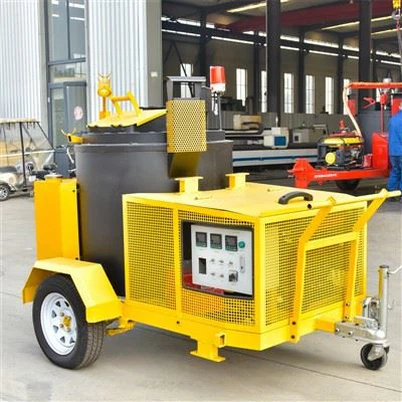
How to troubleshoot a road maintenance truck?
Leave a message

When it comes to maintaining our roads, road maintenance trucks play a crucial role. These vehicles are equipped with a variety of tools and systems to perform tasks such as pothole repair, line painting, and debris removal. However, like any other machinery, road maintenance trucks can encounter problems. As a leading Road Maintenance Truck supplier, we understand the challenges that operators face and are here to provide some guidance on troubleshooting these vehicles.
1. Basic Pre - operational Checks
Before starting any troubleshooting, it's essential to perform basic pre - operational checks. These checks can often identify simple issues that may cause problems during operation.
- Fluid Levels: Check the engine oil, coolant, hydraulic fluid, and fuel levels regularly. Low fluid levels can lead to engine overheating, hydraulic system failures, or stalling. For instance, if the hydraulic fluid is low, the truck's lifting or spraying mechanisms may not function correctly.
- Tire Condition: Inspect the tires for proper inflation and signs of wear. Under - inflated or worn - out tires can cause handling problems, increased fuel consumption, and even tire blowouts. Make sure to refer to the manufacturer's specifications for the correct tire pressure.
- Lights and Signals: Ensure that all the lights and signals on the truck are working properly. This includes headlights, taillights, turn signals, and hazard lights. Malfunctioning lights can pose a safety risk, especially when operating on busy roads.
2. Engine Troubleshooting
The engine is the heart of the road maintenance truck, and any problems with it can disrupt operations.
- Starting Issues: If the engine fails to start, first check the battery. A dead or weak battery can prevent the engine from cranking. Inspect the battery terminals for corrosion and ensure they are tightly connected. If the battery is in good condition, the problem may lie with the starter motor or the ignition system. A faulty starter motor may need to be replaced, while ignition system issues could involve spark plugs, ignition coils, or the ignition switch.
- Overheating: Engine overheating can be caused by several factors. Check the coolant level and the radiator for any blockages. A clogged radiator can prevent proper heat dissipation, leading to overheating. Also, inspect the water pump and the thermostat. A malfunctioning water pump may not circulate the coolant effectively, and a stuck thermostat can prevent the coolant from flowing at the right time.
- Poor Performance: If the engine is running rough or lacks power, it could be due to a fuel delivery problem. Check the fuel filter for clogs, as a dirty fuel filter can restrict fuel flow to the engine. Additionally, a malfunctioning fuel injector can cause uneven fuel distribution, resulting in poor performance. Another possible cause could be a problem with the air intake system, such as a clogged air filter.
3. Hydraulic System Troubleshooting
Many road maintenance trucks rely on hydraulic systems to power their various tools and mechanisms, such as boom lifts, sweepers, and sprayers.


- Low Pressure: If the hydraulic system is experiencing low pressure, first check the hydraulic fluid level. As mentioned earlier, low fluid levels can cause a drop in pressure. Also, inspect the hydraulic hoses for leaks. A leaking hose can allow fluid to escape, reducing the system's pressure. If there are no visible leaks, the problem may be with the hydraulic pump or the pressure relief valve. A worn - out pump may not be able to generate enough pressure, and a faulty pressure relief valve may be releasing pressure too early.
- Slow or Erratic Operation: Slow or erratic operation of hydraulic components can be caused by air in the system. Bleeding the hydraulic system can remove the trapped air and restore normal operation. Additionally, a dirty hydraulic filter can restrict fluid flow, causing slow or inconsistent operation. Replace the filter if it is dirty.
- Noise and Vibration: Unusual noise and vibration in the hydraulic system can indicate a problem with the hydraulic pump or the motor. Worn - out bearings or gears in the pump can cause noise and vibration. Inspect the pump and the motor for any signs of damage, and replace the faulty components if necessary.
4. Electrical System Troubleshooting
The electrical system of a road maintenance truck controls many functions, including lights, radio, and the operation of some tools.
- Dead Electrical Components: If an electrical component, such as a light or a radio, is not working, first check the fuse. A blown fuse can cut off power to the component. Replace the fuse with one of the same amperage rating. If the fuse blows again immediately, there may be a short circuit in the system. Inspect the wiring for any signs of damage, such as frayed wires or exposed conductors.
- Faulty Sensors: Road maintenance trucks are equipped with various sensors to monitor different parameters, such as engine temperature and tire pressure. A faulty sensor can send incorrect signals to the vehicle's control unit, leading to malfunctions. Use diagnostic tools to check the sensors for proper operation. If a sensor is found to be faulty, replace it with a new one.
- Battery Drain: If the battery is draining quickly, there may be a parasitic draw on the electrical system. This can be caused by a component that is staying on even when the vehicle is turned off, such as an interior light or a faulty relay. Use a multimeter to measure the current draw on the battery when the vehicle is off. If there is a significant draw, start disconnecting components one by one until the draw is reduced to identify the faulty component.
5. Tool and Attachment Troubleshooting
Road maintenance trucks are often equipped with specialized tools and attachments, such as pothole patchers, line stripers, and Road Clearing Vehicle.
- Pothole Patcher: If the pothole patcher is not dispensing the patch material evenly or is clogging, check the hopper for any blockages. Make sure the material is of the correct consistency and is free of debris. Also, inspect the dispensing mechanism, such as the auger or the conveyor belt, for any damage or wear.
- Line Striper: For a line striper, problems may include uneven lines or a lack of paint flow. Check the paint reservoir for the correct paint level and the viscosity of the paint. A clogged nozzle can also cause problems with paint flow. Clean or replace the nozzle as needed.
- Road Clearing Vehicle Attachment: If the road clearing attachment, such as a sweeper or a snowplow, is not working properly, check the connection to the truck's hydraulic or electrical system. Ensure that the attachment is properly aligned and calibrated. Inspect the brushes or blades for wear and replace them if necessary.
Conclusion
Troubleshooting a road maintenance truck requires a systematic approach. By performing regular pre - operational checks and being familiar with the common problems and solutions, operators can minimize downtime and keep their trucks running smoothly. As a Road Maintenance Truck supplier, we are committed to providing high - quality vehicles and comprehensive support to our customers. If you encounter any problems that you are unable to resolve on your own, our team of experts is ready to assist you.
If you are in the market for a new Highway Maintenance Vehicle or need to upgrade your existing road maintenance equipment, we invite you to contact us for a detailed discussion. Our team can provide you with customized solutions based on your specific requirements and budget.
References
- "Heavy - Duty Truck Maintenance Manual", published by a leading automotive industry publisher.
- Manufacturer's manuals for various road maintenance truck models.
- Industry reports on road maintenance truck technology and troubleshooting.