How to train operators for a road repair vehicle?
Leave a message

Hey there! I'm a supplier of Road Repair Vehicles, and today I'm gonna share with you how to train operators for these awesome machines.
1. Understanding the Road Repair Vehicle
First things first, it's crucial for operators to have a solid understanding of the Road Repair Vehicle they'll be working with. We've got different types, like the New Energy Road Maintenance Vehicle and the Road Comprehensive Maintenance Vehicle. But let's focus on the Road Repair Vehicle here.
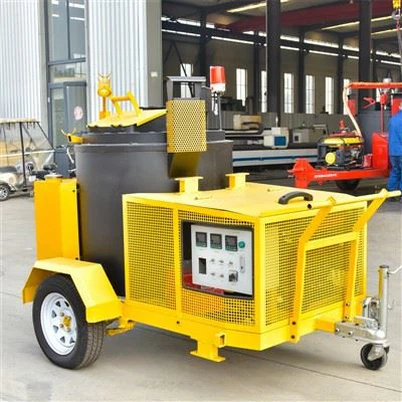
These vehicles are equipped with all sorts of tools and systems. The operators need to know what each part does. For example, the patching system is used to fix potholes on the road. It can heat up the asphalt and apply it smoothly to the damaged area. The cleaning system is responsible for getting rid of debris and dirt from the road surface before patching.
We usually start the training by giving the operators a detailed tour of the vehicle. We show them the different compartments, the control panels, and how all the equipment is connected. It's like showing someone around a new house, but instead of rooms, it's parts of a high - tech road repair machine.
2. Safety Training
Safety is always the number one priority. Road repair work can be dangerous, so operators need to be well - trained in safety procedures.
We teach them how to wear the proper safety gear, like hard hats, safety glasses, and reflective vests. These items are not just for show; they can save lives. Hard hats protect the head from falling objects, safety glasses shield the eyes from flying debris, and reflective vests make the operators visible to passing vehicles.
When it comes to operating the vehicle, we go over the safety features. The vehicle has emergency stop buttons in case something goes wrong. Operators need to know exactly where these buttons are and how to use them. We also teach them about the proper way to park the vehicle on the road. It should be parked in a way that it doesn't obstruct traffic too much and is visible to other drivers.
Another important aspect of safety training is traffic control. Road repair often takes place on busy roads, so operators need to know how to set up traffic cones and signs to direct traffic safely around the work area. This helps prevent accidents and keeps both the operators and the public safe.
3. Technical Training
Now, let's get into the technical stuff. Operating a Road Repair Vehicle requires a certain level of technical knowledge.
We start with the basics of the vehicle's engine and transmission. Operators need to understand how the engine works, what kind of fuel it uses (whether it's diesel, gasoline, or in the case of new - energy vehicles, electricity or alternative fuels), and how to check the fluid levels. They also need to know how to shift gears properly, especially if it's a manual - transmission vehicle.
The control panels on the Road Repair Vehicle are like the nerve center. We spend a lot of time teaching operators how to use the controls. For example, there are buttons to start and stop the different equipment, sliders to adjust the speed of the patching process, and switches to turn on the cleaning system. We give them hands - on practice so they can get used to the feel of the controls.
We also cover the maintenance and troubleshooting of the vehicle. Operators should be able to perform basic maintenance tasks like changing the oil, checking the brakes, and replacing filters. In case of a breakdown, they need to be able to identify the problem and take the necessary steps to fix it or at least report it accurately. We provide them with a troubleshooting guide and go over common issues they might encounter.
4. Practical Training
Theory is great, but practical training is where the real learning happens.
We set up a mock road repair site where the operators can practice their skills. They start by doing simple tasks, like setting up the traffic control devices and cleaning a small section of the road. As they gain more confidence, we gradually increase the complexity of the tasks.
For example, they'll learn how to patch a small pothole. They first use the cleaning system to remove the dirt and debris from the pothole. Then, they use the patching system to heat up the asphalt and fill the pothole. After that, they need to smooth out the surface to make it level with the rest of the road.
We also have them practice working in different weather conditions. Road repair doesn't stop when it rains or gets cold. So, operators need to know how to adjust their work methods according to the weather. For instance, in cold weather, the asphalt may need to be heated for a longer time to reach the right consistency.
During practical training, we have experienced instructors on - site to guide the operators. The instructors can give immediate feedback, correct mistakes, and offer tips on how to work more efficiently.
5. Customer Service Training
You might be thinking, "Why do road repair vehicle operators need customer service training?" Well, road repair work often affects the local community. The operators are the face of our company when they're out on the road.
We teach them how to communicate with the public. If a local resident has a question or a concern about the road repair work, the operators should be able to answer politely and professionally. They need to explain what the work is about, how long it will take, and any potential disruptions.
Good customer service can go a long way in building a positive relationship between our company and the community. It can also lead to more business in the long run. When people are happy with the way we handle the road repair work, they're more likely to recommend our services to others.


6. Continuous Training
The road repair industry is constantly evolving. New technologies are being developed, and regulations are changing. So, training doesn't stop after the initial course.
We offer continuous training programs to keep our operators up - to - date. We may bring in experts to talk about the latest trends in road repair technology, such as new types of asphalt or more efficient patching methods.
We also encourage operators to share their experiences with each other. They can learn from each other's successes and mistakes. This kind of knowledge sharing helps improve the overall performance of our team.
Conclusion
Training operators for a Road Repair Vehicle is a comprehensive process that involves understanding the vehicle, safety training, technical training, practical training, customer service training, and continuous learning. By investing in proper training, we can ensure that our operators are well - equipped to do their jobs safely and efficiently.
If you're interested in our Road Repair Vehicles or have any questions about our training programs, we'd love to hear from you. Whether you're a contractor looking to expand your road repair capabilities or a municipality in need of reliable road repair solutions, we're here to help. Contact us to start a conversation about purchasing our Road Repair Vehicles and getting your operators trained.
References
- "Road Maintenance Handbook" - A comprehensive guide on road repair and maintenance.
- Industry safety standards published by relevant transportation authorities.
- Technical manuals provided by the vehicle manufacturers.