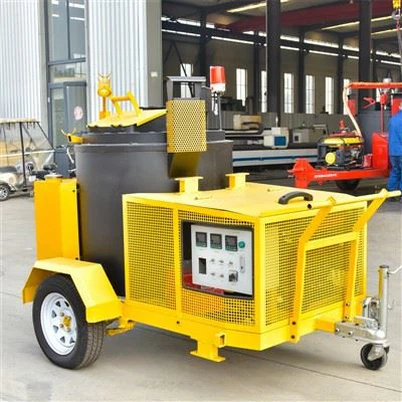
How to manage the maintenance records of a road repair vehicle?
Leave a message

Managing the maintenance records of a road repair vehicle is a crucial aspect of ensuring its long - term reliability, efficiency, and safety. As a road repair vehicle supplier, I understand the significance of proper maintenance record - keeping from both the vehicle manufacturer's and the end - user's perspectives. In this blog, I will share some effective strategies on how to manage these records.
Importance of Maintenance Records
Maintenance records serve as a comprehensive history of a road repair vehicle. They document every aspect of the vehicle's maintenance, including routine servicing, repairs, part replacements, and inspections. These records are essential for several reasons.
Firstly, they help in predicting future maintenance needs. By analyzing the frequency of part failures or the intervals between major servicing, operators can anticipate when components are likely to wear out and plan for preventive maintenance. This proactive approach can significantly reduce the risk of unexpected breakdowns on the road, which can be costly in terms of both time and money.
Secondly, maintenance records are valuable for warranty claims. If a vehicle is still under warranty, detailed records can prove that the vehicle has been properly maintained according to the manufacturer's guidelines. This can prevent disputes with the warranty provider and ensure that any defective parts are replaced at no cost.
Thirdly, from a safety perspective, well - maintained vehicles are less likely to cause accidents. Maintenance records can be used to demonstrate that the vehicle has been regularly inspected and that all safety - critical components, such as brakes and steering systems, are in good working condition.
Creating a Maintenance Record System
The first step in managing maintenance records is to establish a reliable system. There are several options available, ranging from simple paper - based systems to sophisticated digital software.
Paper - Based Systems
Paper - based systems are the most traditional method of record - keeping. They involve using logbooks or forms to document maintenance activities. This approach is relatively inexpensive and easy to set up. Operators can simply record the date, type of maintenance, parts replaced, and the name of the technician who performed the work.
However, paper - based systems have some limitations. They are prone to damage, loss, and human error. For example, records can be lost if a logbook is misplaced, and handwriting can be difficult to read. Additionally, it can be time - consuming to search for specific information in a large stack of papers.
Digital Systems
Digital systems offer several advantages over paper - based systems. There are many software applications available that are specifically designed for vehicle maintenance record - keeping. These systems allow operators to enter and store maintenance data electronically. They can also generate reports, set reminders for upcoming maintenance tasks, and provide real - time access to records from multiple locations.
One of the key benefits of digital systems is the ability to easily search and analyze data. For example, operators can quickly find all the maintenance records for a particular vehicle or component, or they can generate reports on the overall maintenance costs of the fleet. Digital systems also offer better data security, as records can be backed up regularly and protected with passwords.
Some digital systems can be integrated with other business processes, such as inventory management. This means that when a part is replaced during maintenance, the system can automatically update the inventory levels, ensuring that the right parts are always in stock.
Recording Maintenance Information
Regardless of the system used, it is important to record accurate and detailed maintenance information. The following are some key pieces of information that should be included in every maintenance record:
Vehicle Information
- Vehicle identification number (VIN): This is a unique identifier for each vehicle and is essential for tracking the vehicle's history.
- Make, model, and year: This information helps to identify the specific vehicle and its specifications.
Maintenance Details
- Date of maintenance: This indicates when the maintenance was performed.
- Type of maintenance: Whether it was a routine service, a repair, or an inspection.
- Description of work: A detailed description of the maintenance tasks performed, including any parts replaced or repaired.
- Parts used: The name, part number, and quantity of any parts that were replaced during the maintenance.
- Technician's name: The name of the person who performed the maintenance. This is important for accountability and for tracking the technician's work history.
Regular Auditing and Review
Once the maintenance records are established, it is important to regularly audit and review them. Auditing helps to ensure that the records are accurate and complete. It also provides an opportunity to identify any trends or issues that may require further attention.
During an audit, operators should check for any missing or inconsistent information in the records. They should also verify that the maintenance tasks were performed according to the manufacturer's recommendations. If any discrepancies are found, they should be corrected immediately.
Regular reviews of the maintenance records can also help to identify areas for improvement. For example, if a particular type of part is frequently failing, it may be necessary to investigate the cause and consider using a different brand or supplier.
Training and Staff Involvement
Proper training is essential for ensuring that maintenance records are accurately recorded. All staff members involved in the maintenance process, including technicians, operators, and managers, should be trained on how to use the maintenance record system.
Technicians should be trained to record all relevant information in a clear and concise manner. They should also be aware of the importance of accurate record - keeping and how it can impact the overall performance and safety of the vehicle.
Operators should be trained to report any issues or concerns with the vehicle promptly. They should also be familiar with the maintenance schedule and understand their role in ensuring that the vehicle is properly maintained.
Managers should be involved in the review and analysis of maintenance records. They can use the information to make informed decisions about fleet management, such as when to replace vehicles or when to invest in new equipment.
Utilizing Technology for Better Management
In addition to digital record - keeping systems, there are other technologies that can be used to enhance the management of maintenance records. For example, some road repair vehicles are equipped with telematics systems. These systems can collect data on the vehicle's performance, such as engine hours, fuel consumption, and mileage. This data can be integrated with the maintenance record system to provide a more comprehensive view of the vehicle's condition.
Another technology that can be useful is barcode scanning. By using barcode scanners to track parts, technicians can quickly and accurately record the parts that are being used during maintenance. This reduces the risk of human error and ensures that the inventory levels are updated in real - time.
Conclusion
Managing the maintenance records of a road repair vehicle is a complex but essential task. By establishing a reliable record - keeping system, recording accurate information, regularly auditing and reviewing the records, training staff, and utilizing technology, operators can ensure that their vehicles are well - maintained, safe, and efficient.
As a road repair vehicle supplier, we offer a wide range of high - quality vehicles, such as the Road Maintenance Truck, Road Cleaning Equipment, and Asphalt Curing Vehicle 800L. We understand the importance of proper maintenance and are committed to providing our customers with the support they need to manage their maintenance records effectively.


If you are interested in purchasing road repair vehicles or need more information on maintenance record management, please feel free to contact us. We look forward to discussing your needs and helping you find the best solutions for your road repair operations.
References
- "Vehicle Maintenance Management Best Practices" by the Fleet Maintenance Management Association.
- "Digital Transformation in Vehicle Maintenance" by the International Journal of Automotive Technology.
- Manufacturer's manuals for road repair vehicles.