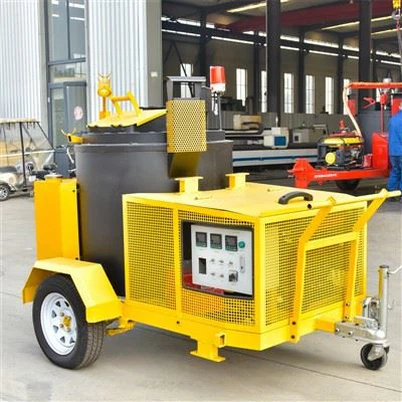
How to lubricate the moving parts of a joint filling machine?
Leave a message

As a seasoned provider of joint filling machines, I understand the paramount importance of maintaining these sophisticated pieces of equipment. One of the most crucial aspects of this maintenance is the proper lubrication of moving parts. In this blog, I'll share in - depth insights on how to lubricate the moving parts of a joint filling machine effectively, ensuring its longevity and optimal performance.
Understanding the Importance of Lubrication
Before delving into the lubrication process, it's essential to comprehend why lubrication is so vital for joint filling machines. These machines are often exposed to harsh working conditions, including high temperatures, dust, and debris. The moving parts, such as pistons, gears, and conveyor belts, are constantly under stress. Without adequate lubrication, friction builds up, leading to increased wear and tear. This can result in reduced efficiency, costly breakdowns, and even complete machine failure. Proper lubrication forms a protective barrier between surfaces, reducing friction and heat generation, and preventing direct metal - to - metal contact.
Identifying the Moving Parts
The first step in lubricating a joint filling machine is to identify all the moving parts that require lubrication. This includes:
- Pump Components: The pump is the heart of the joint filling machine, responsible for transporting the filling material. The pistons, cylinders, and valves within the pump are critical moving parts that need regular lubrication.
- Conveyor Systems: If the machine has a conveyor belt or other conveying mechanisms to move materials, the rollers, bearings, and chains are areas where lubrication is necessary.
- Mixing Equipment: For machines with mixing capabilities, the blades, shafts, and their associated bearings need attention.
- Gears and Chains: In the transmission system of the machine, gears mesh with each other, and chains loop around sprockets. These components rely on lubrication to operate smoothly.
Selecting the Right Lubricant
Not all lubricants are created equal, and choosing the right one for your joint filling machine is crucial. Here are some factors to consider:
- Viscosity: The viscosity of a lubricant determines its thickness. For high - speed moving parts, a lubricant with lower viscosity is typically required to ensure smooth operation. In contrast, parts operating under high loads may need a higher - viscosity lubricant to maintain a stable lubricating film.
- Temperature Resistance: Joint filling machines can operate in a wide range of temperatures. Select a lubricant that can withstand the temperature extremes of your working environment. For example, if the machine is used in hot climates, a lubricant with high - temperature stability is essential.
- Compatibility: Ensure that the chosen lubricant is compatible with the materials of the machine's moving parts. Some lubricants may cause corrosion or degradation of certain metals or plastics.
Lubrication Process
Determine the Lubrication Interval
The frequency of lubrication depends on several factors, including the type of machine, the intensity of use, and the manufacturer's recommendations. As a general rule of thumb, for machines that are used frequently, lubrication may be required daily or weekly. For less - used machines, monthly lubrication might be sufficient.


Prepare the Lubrication Tools
You will need appropriate tools for the lubrication process. This may include grease guns, oil cans, and brushes. Make sure these tools are clean and in good working condition.
Clean the Moving Parts
Before applying lubricant, it's necessary to clean the moving parts to remove any dirt, dust, or old lubricant. You can use a suitable cleaning agent and a soft brush to perform this task. Ensure that the parts are completely dry before proceeding to the lubrication step.
Apply the Lubricant
- Grease Lubrication: For parts like bearings and gears, grease is often the preferred lubricant. Use a grease gun to apply the grease evenly. Make sure to fill the grease cavities completely but avoid over - greasing, as this can lead to increased friction and heat generation.
- Oil Lubrication: For components such as pistons and conveyor chains, oil is a better choice. Use an oil can to apply a thin, even layer of oil to the moving surfaces. Be careful not to spill oil on other parts of the machine, as it can attract dirt and cause contamination.
Check the Lubrication Level
After lubrication, check the lubrication level of the machine. Some machines are equipped with sight glasses or dipsticks that allow you to monitor the oil level easily. If necessary, add more lubricant to reach the recommended level.
Maintenance Tips
- Regular Inspections: Conduct regular inspections of the lubricated parts to check for signs of wear, leaks, or insufficient lubrication. Early detection of problems can prevent major breakdowns.
- Record Keeping: Keep a record of the lubrication schedule, the type of lubricant used, and any maintenance activities. This record can help you track the machine's maintenance history and identify any recurring issues.
- Training: Ensure that the operators of the joint filling machine are properly trained in lubrication procedures. They should understand the importance of lubrication and be able to perform the tasks correctly.
Our Product Range
As a leading joint filling machine supplier, we offer a wide range of high - quality products. Our 800L Self - propelled Seam sealing Truck is a great choice for large - scale joint filling projects. It combines mobility and high - capacity with excellent performance. Our Road Surface Grouting Equipment is designed to provide precise grouting for road surfaces, ensuring long - lasting results. And our Fully Automatic Seam Sealing Machine offers high - efficiency and accurate joint filling, reducing labor costs and improving work quality.
Conclusion
Proper lubrication of the moving parts of a joint filling machine is essential for its reliable operation and long - term performance. By understanding the importance of lubrication, identifying the moving parts, selecting the right lubricant, and following the correct lubrication process, you can significantly extend the lifespan of your machine and reduce maintenance costs.
If you are interested in our joint filling machines or need further advice on machine maintenance, we welcome you to contact us for procurement and in - depth discussions. We are committed to providing you with the best solutions to meet your needs.
References
- Manufacturer's manuals of joint filling machines
- Industry standards on machinery lubrication and maintenance