How to improve the filling effect of a joint filling machine?
Leave a message

Hey there! As a supplier of joint filling machines, I've seen firsthand the importance of a great filling effect. Whether you're working on a small DIY project or a large - scale road construction job, getting that perfect fill can make all the difference. So, let's dive into how you can improve the filling effect of a joint filling machine.
1. Machine Selection
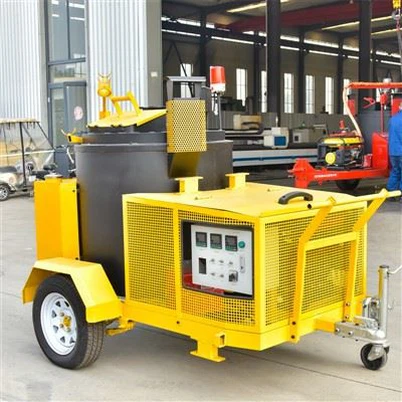
First things first, picking the right joint filling machine is crucial. We offer a range of machines, each with its own features and capabilities. For example, the Filling and Sewing All - in - one Machine is a game - changer. It combines the functions of filling and sewing, which can streamline your work process and ensure a more consistent filling effect.
If you're dealing with pavements, the FAGF100 Pavement Sealing Machine is a top choice. It's designed specifically for pavement joint filling, with advanced technology that can handle different types of joint sizes and materials. And for those quick road repair jobs, the Road Mend Machine is your go - to. It's portable and easy to operate, allowing you to get the job done efficiently.
When selecting a machine, consider the type of joints you'll be filling, the volume of work, and the materials you'll be using. Different machines are better suited for different applications, so take your time to choose the one that fits your needs.

2. Material Preparation
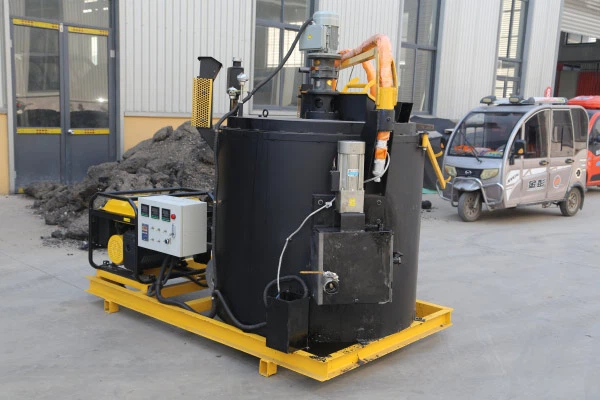
The quality of the filling material plays a huge role in the filling effect. Make sure you're using high - quality materials that are compatible with your joint filling machine. Check the manufacturer's recommendations for the type of material to use.
Before filling, prepare the material properly. For some materials, you might need to heat them to a specific temperature. If the temperature is too low, the material might not flow smoothly, resulting in an uneven fill. On the other hand, if it's too hot, the material could become too thin and might not hold its shape well.
Also, ensure that the material is free of any contaminants. Dirt, debris, or moisture in the material can cause blockages in the machine or lead to a poor filling effect. Filter the material if necessary to remove any impurities.
3. Joint Preparation
Preparing the joints before filling is essential for a good filling effect. Clean the joints thoroughly to remove any dirt, dust, or old filling material. You can use a wire brush, compressed air, or a vacuum cleaner to clean the joints. A clean joint surface allows the filling material to adhere better, reducing the chances of the fill coming loose over time.
Check the joint width and depth. If the joints are too narrow or too shallow, it can be challenging to get a proper fill. In some cases, you might need to widen or deepen the joints to ensure that the filling material has enough space to flow and set properly.
4. Machine Calibration
Calibrating your joint filling machine is a must. Make sure the machine is set up correctly according to the specifications of the job. Adjust the flow rate of the filling material. If the flow rate is too high, the material might spill out of the joints, creating a mess. If it's too low, the joints might not be filled completely.
Check the pressure settings. The right pressure is needed to ensure that the material is forced into the joints evenly. Different joint sizes and materials might require different pressure settings, so make adjustments as necessary.
Also, check the height and angle of the filling nozzle. The nozzle should be positioned at the right height and angle to ensure that the material is dispensed accurately into the joints.
5. Operator Training
Even the best joint filling machine won't perform well if the operator doesn't know how to use it properly. Provide thorough training to your operators. They should understand how to start and stop the machine, how to adjust the settings, and how to troubleshoot common problems.
Train them on safety procedures as well. Working with joint filling machines can be dangerous, especially when dealing with hot materials or high - pressure systems. Make sure the operators wear the appropriate safety gear, such as gloves, goggles, and protective clothing.
6. Regular Maintenance
Regular maintenance of your joint filling machine is key to maintaining a good filling effect. Clean the machine after each use to prevent the build - up of filling material, which can cause blockages or damage to the machine.
Check the machine's components regularly, such as the hoses, nozzles, and pumps. Replace any worn - out or damaged parts immediately. Lubricate the moving parts as recommended by the manufacturer to ensure smooth operation.
Keep a maintenance log to track when the machine was serviced, what parts were replaced, and any issues that were encountered. This can help you identify patterns and prevent future problems.
7. Quality Control
Implement a quality control process to ensure that the filling effect meets your standards. Inspect the filled joints after the job is done. Look for any signs of uneven filling, air bubbles, or gaps. If you find any issues, take corrective action immediately.
You can also conduct tests on the filled joints, such as adhesion tests or durability tests. These tests can help you determine if the filling material is performing as expected and if the filling effect is satisfactory.
8. Feedback Collection
Collect feedback from your customers or users. They can provide valuable insights into the performance of the joint filling machine and the filling effect. Listen to their suggestions and concerns, and use this feedback to improve your products and services.
If there are recurring issues, work on finding solutions. This could involve making adjustments to the machine, changing the filling materials, or improving the training program for operators.
Conclusion
Improving the filling effect of a joint filling machine requires a combination of the right machine selection, proper material and joint preparation, machine calibration, operator training, regular maintenance, quality control, and feedback collection. By following these steps, you can ensure that your joint filling jobs are of the highest quality.
If you're interested in purchasing a joint filling machine or have any questions about improving the filling effect, feel free to reach out to us. We're here to help you get the best results for your projects.
References
- "Guide to Road Joint Filling", Construction Industry Handbook
- "Joint Filling Machine Operation Manuals", Manufacturer's Documents