How to fill potholes effectively with a road repair vehicle?
Leave a message

Filling potholes effectively is crucial for maintaining the safety and integrity of roads. As a leading supplier of road repair vehicles, I understand the importance of this task and the role our vehicles play in achieving it. In this blog post, I will share some insights on how to fill potholes effectively using our road repair vehicles.
Understanding the Problem
Potholes are a common problem on roads, especially in areas with heavy traffic or harsh weather conditions. They are formed when water seeps into the cracks in the road surface and freezes, causing the asphalt to expand and crack. Over time, the repeated freezing and thawing cycle can cause the asphalt to break apart, creating a pothole.
Potholes can pose a significant safety hazard to drivers, cyclists, and pedestrians. They can cause damage to vehicles, including flat tires, bent rims, and suspension damage. They can also cause accidents, especially if they are not repaired promptly.
The Role of Road Repair Vehicles
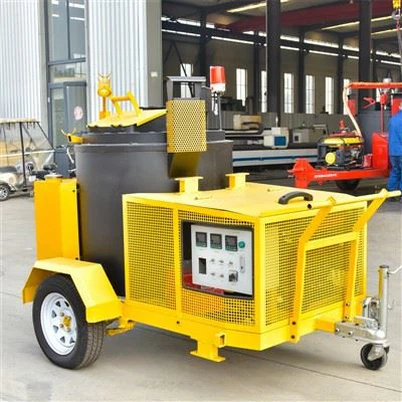
Road repair vehicles are essential tools for filling potholes effectively. They are designed to transport and apply the materials needed to repair the pothole, such as asphalt, gravel, and sand. Our road repair vehicles are equipped with the latest technology and features to ensure that the pothole is filled quickly, efficiently, and safely.
One of the key features of our road repair vehicles is their ability to heat the asphalt to the correct temperature. This is important because hot asphalt is more pliable and easier to work with than cold asphalt. It also adheres better to the existing road surface, ensuring a more durable repair.
Another important feature of our road repair vehicles is their ability to compact the asphalt after it has been applied. This is important because it helps to ensure that the pothole is filled evenly and that the asphalt is firmly bonded to the existing road surface. Compaction also helps to prevent future potholes from forming by reducing the amount of air voids in the asphalt.
Steps for Filling Potholes Effectively
Filling potholes effectively requires a systematic approach. Here are the steps that we recommend for filling potholes using our road repair vehicles:
Step 1: Prepare the Pothole
The first step in filling a pothole is to prepare the area. This involves removing any loose debris, such as dirt, rocks, and leaves, from the pothole. You can use a broom or a blower to clean the pothole. It is also important to remove any standing water from the pothole, as this can prevent the asphalt from adhering properly.
Step 2: Apply a Tack Coat
Once the pothole is clean and dry, the next step is to apply a tack coat. A tack coat is a thin layer of asphalt emulsion that is applied to the bottom and sides of the pothole. This helps to ensure that the new asphalt adheres properly to the existing road surface. You can use a sprayer or a brush to apply the tack coat.
Step 3: Fill the Pothole with Asphalt
After the tack coat has dried, the next step is to fill the pothole with asphalt. You can use a hopper or a chute to pour the asphalt into the pothole. It is important to fill the pothole slightly above the level of the surrounding road surface to allow for compaction.


Step 4: Compact the Asphalt
Once the pothole is filled with asphalt, the next step is to compact the asphalt. You can use a roller or a plate compactor to compact the asphalt. It is important to compact the asphalt evenly to ensure that it is firmly bonded to the existing road surface. You may need to make several passes with the compactor to achieve the desired level of compaction.
Step 5: Finish the Repair
After the asphalt has been compacted, the final step is to finish the repair. This involves trimming the excess asphalt around the edges of the pothole and smoothing the surface of the repair. You can use a shovel or a rake to trim the excess asphalt. It is also important to clean up any debris or spills from the repair area.
Tips for Filling Potholes Effectively
In addition to following the steps outlined above, there are several tips that can help you fill potholes effectively using our road repair vehicles:
- Use the Right Materials: It is important to use the right materials for the job. Make sure that you are using high-quality asphalt that is suitable for the type of road surface and the weather conditions in your area.
- Follow the Manufacturer's Instructions: Make sure that you are following the manufacturer's instructions for operating the road repair vehicle. This will help to ensure that the vehicle is used safely and effectively.
- Train Your Operators: Make sure that your operators are properly trained to use the road repair vehicle. This will help to ensure that the potholes are filled quickly, efficiently, and safely.
- Maintain Your Equipment: Make sure that you are maintaining your road repair vehicle regularly. This will help to ensure that the vehicle is in good working condition and that it is able to perform its job effectively.
Conclusion
Filling potholes effectively is crucial for maintaining the safety and integrity of roads. As a leading supplier of road repair vehicles, we are committed to providing our customers with the latest technology and features to ensure that the potholes are filled quickly, efficiently, and safely. By following the steps and tips outlined in this blog post, you can fill potholes effectively using our road repair vehicles.
If you are interested in learning more about our Road Repair Machine, Electric Four-wheel Road Maintenance Vehicle, or Small Cleaning Vehicle, please contact us to discuss your specific needs. We look forward to working with you to keep your roads safe and in good condition.
References
- "Pothole Repair: Best Practices and Techniques." Federal Highway Administration.
- "Asphalt Pavement Maintenance and Rehabilitation." National Asphalt Pavement Association.
- "Road Maintenance Equipment: A Guide to Selection and Use." American Public Works Association.