How to ensure the work quality of China road joint filling in large - scale projects?
Leave a message

As a supplier specializing in China road joint filling, I've witnessed firsthand the critical role that high - quality joint filling plays in large - scale road projects. Ensuring the work quality of road joint filling is not only essential for the longevity of the roads but also for the safety and comfort of road users. In this blog, I'll share some key strategies and considerations that can help achieve excellent work quality in large - scale China road joint filling projects.
1. Material Selection
The foundation of high - quality road joint filling lies in the selection of appropriate materials. Different road conditions, climate zones, and traffic volumes require different types of joint filling materials.
Bituminous Materials
Bituminous materials are widely used in road joint filling due to their good adhesion and flexibility. They can withstand temperature variations and traffic loads to a certain extent. For large - scale projects in areas with moderate climate conditions, bituminous sealants are a cost - effective choice. However, it's crucial to select bituminous materials with high softening points and low penetration values to ensure durability.
Polymer - Modified Sealants
In regions with extreme temperature fluctuations or heavy traffic, polymer - modified sealants are often preferred. These materials offer enhanced elasticity, adhesion, and resistance to aging. They can better adapt to the expansion and contraction of the road surface, reducing the risk of joint failure. When choosing polymer - modified sealants, it's important to consider factors such as the type of polymer used, the degree of modification, and the compatibility with the existing road surface.
As a supplier, we offer a wide range of high - quality joint filling materials, including Traction Grouting Machine which can be used in conjunction with different types of sealants to ensure efficient and accurate filling.


2. Equipment and Technology
The right equipment and advanced technology are vital for achieving high - quality road joint filling.
Modern Filling Machines
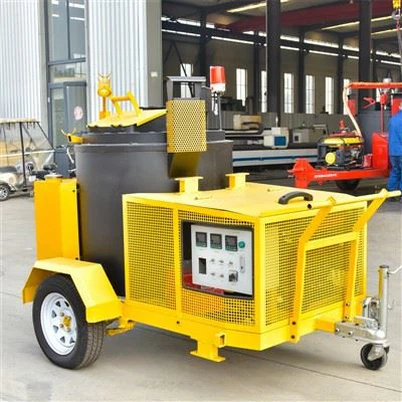
Investing in modern filling machines can significantly improve the efficiency and quality of joint filling work. For example, the 120L Asphalt Crack Sealing Machine is designed to handle large - scale projects with ease. It has a large capacity, precise temperature control, and a uniform dispensing system, ensuring that the sealant is applied evenly and at the right temperature.
Automated Joint Cleaning
Before filling the joints, thorough cleaning is essential to remove dirt, debris, and old sealant. Automated joint cleaning equipment can save time and labor while ensuring a clean joint surface. High - pressure air blowers or vacuum cleaners can be used to remove loose particles, and wire brushes or scarifiers can be employed to remove stubborn deposits.
Quality Control Technology
Implementing quality control technology during the joint filling process is crucial. This can include using sensors to monitor the temperature, pressure, and flow rate of the sealant. Real - time data collection and analysis can help identify potential problems early and allow for timely adjustments to ensure consistent quality.
3. Professional Installation
Even with the best materials and equipment, professional installation is the key to ensuring the work quality of road joint filling.
Skilled Workers
Hiring skilled and experienced workers is essential. They should be trained in the proper use of filling equipment, the application of sealants, and the handling of different road joint conditions. Workers should also be familiar with safety procedures to prevent accidents during the installation process.
Standardized Installation Procedures
Establishing standardized installation procedures is crucial for maintaining consistency and quality. These procedures should cover every aspect of the joint filling process, from joint preparation to sealant application and finishing. For example, the joint should be pre - heated to a certain temperature before applying the sealant to ensure good adhesion. The sealant should be applied at the correct depth and width, and proper finishing techniques should be used to ensure a smooth and even surface.
4. Project Management
Effective project management is essential for the success of large - scale road joint filling projects.
Planning and Scheduling
Proper planning and scheduling are crucial to ensure that the project is completed on time and within budget. This includes determining the scope of work, setting realistic deadlines, and allocating resources effectively. A detailed project plan should also consider potential risks and contingencies, such as adverse weather conditions or equipment breakdowns.
Quality Assurance and Inspection
Implementing a comprehensive quality assurance and inspection program is essential to monitor the work quality throughout the project. Regular inspections should be conducted at different stages of the joint filling process to ensure compliance with the specified standards. Any non - conformities should be identified and corrected immediately to prevent further problems.
Communication and Coordination
Good communication and coordination among all stakeholders, including the project owner, contractors, suppliers, and regulatory authorities, are essential. Clear communication channels should be established to ensure that everyone is aware of their roles and responsibilities. Regular meetings and progress reports can help keep all parties informed and address any issues or concerns in a timely manner.
5. Post - Project Maintenance
Post - project maintenance is an often - overlooked aspect of ensuring the long - term quality of road joint filling.
Regular Inspections
Regular inspections should be conducted after the joint filling project is completed to monitor the performance of the sealant. This can help identify any early signs of damage or deterioration, such as cracking, peeling, or loss of adhesion. Inspections should be carried out at least once a year, or more frequently in areas with harsh environmental conditions or heavy traffic.
Timely Repairs
If any problems are detected during the inspections, timely repairs should be carried out. This may involve reapplying the sealant, filling any new cracks, or replacing damaged sections of the joint. Timely repairs can prevent further damage and extend the service life of the road joint filling.
In conclusion, ensuring the work quality of China road joint filling in large - scale projects requires a comprehensive approach that includes material selection, equipment and technology, professional installation, project management, and post - project maintenance. As a supplier, we are committed to providing high - quality products and services to support our customers in achieving excellent work quality. If you are interested in our road joint filling products or services, please feel free to contact us for procurement negotiations. We look forward to working with you on your next project.
References
- "Pavement Joint Sealants: A State - of - the - Art Review" by X. Wang, et al.
- "Guidelines for the Design and Construction of Road Joint Filling" by the Ministry of Transport of China.
- "Best Practices in Road Maintenance and Rehabilitation" by the World Bank.