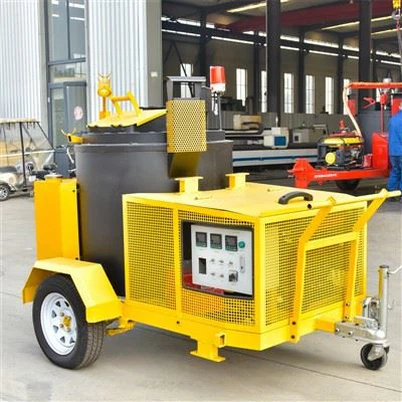
How to ensure the safety of operators when using road cleaning equipment?
Leave a message

As a supplier of road cleaning equipment, I've seen firsthand the importance of operator safety. Road cleaning is a tough job, and it comes with its fair share of risks. But with the right precautions and equipment, we can significantly reduce those risks and keep our operators safe. In this blog, I'll share some key tips on how to ensure the safety of operators when using road cleaning equipment.
Pre - operation Checks
Before an operator even starts the road cleaning equipment, a thorough pre - operation check is essential. This is like a health check - up for the machine. First, the operator should visually inspect the equipment. Check for any signs of damage, like cracks in the body, loose parts, or leaks. For example, a hydraulic fluid leak in a Road Maintenance Truck can not only affect its performance but also pose a slip and fall hazard.
The operator should also test all the controls. Make sure the steering, brakes, and other vital functions are working properly. If it's a sweeper, check the brushes and suction mechanisms. In the case of a Road Repair Machine, verify that all the repair tools are in place and functioning. And don't forget about the safety features like emergency stop buttons. These should be easily accessible and in perfect working condition.
Operator Training
Proper training is the backbone of operator safety. It's not enough to just hand someone the keys to a road cleaning vehicle and say, "Go for it." Operators need to be trained on how to use the equipment correctly. This includes understanding the controls, learning the proper operating procedures, and knowing how to handle different situations.


Our company provides comprehensive training programs for all our customers. We cover everything from basic machine operation to advanced troubleshooting. For instance, we teach operators how to adjust the speed and pressure settings on a Road Repair Vehicle depending on the type of road surface and the repair job at hand. We also include safety training, which focuses on topics like wearing personal protective equipment (PPE), avoiding blind spots, and following traffic rules.
Personal Protective Equipment (PPE)
PPE is a must - have for road cleaning operators. It acts as a shield against potential hazards. At a minimum, operators should wear high - visibility clothing. This makes them easily visible to other road users, especially in low - light conditions or busy traffic areas. Safety helmets are also crucial, as they protect the head from falling objects or in case of an accident.
Gloves are another important piece of PPE. They protect the hands from cuts, abrasions, and chemicals. For example, if an operator is handling cleaning agents, gloves can prevent skin irritation. Safety goggles are necessary to protect the eyes from dust, debris, and splashes. And don't forget about safety shoes. They provide ankle support and protect the feet from heavy objects or sharp tools.
Traffic Safety
Road cleaning operators are constantly exposed to traffic, which is one of the biggest safety risks. To minimize this risk, proper traffic management is crucial. First of all, the road cleaning equipment should be equipped with appropriate warning signs and lights. These help to alert other road users that there is a cleaning operation taking place.
When working on the road, operators should follow traffic rules strictly. They should use turn signals when changing lanes or making turns. It's also important to maintain a safe distance from other vehicles. In addition, operators should be aware of their surroundings at all times. They need to watch out for pedestrians, cyclists, and other vehicles, especially in blind spots.
Equipment Maintenance
Regular equipment maintenance is key to ensuring operator safety. A well - maintained machine is less likely to break down or malfunction, which reduces the risk of accidents. Our company offers a maintenance service plan for all our road cleaning equipment. We recommend that operators perform daily maintenance checks, such as checking the oil levels, tire pressure, and battery condition.
In addition to daily checks, more in - depth maintenance should be carried out at regular intervals. This includes servicing the engine, inspecting the brakes and suspension, and cleaning the filters. By keeping the equipment in top - notch condition, we can ensure that it operates safely and efficiently.
Emergency Preparedness
Even with all the precautions in place, emergencies can still happen. That's why operators need to be prepared. They should know what to do in case of an accident, a breakdown, or a fire. Our training programs include emergency response training, where operators learn how to use fire extinguishers, first - aid kits, and how to call for help.
The road cleaning equipment should also be equipped with emergency supplies. This includes a first - aid kit, a fire extinguisher, and warning triangles. Operators should know where these supplies are located and how to use them properly.
Communication
Good communication is essential for operator safety. Operators should be able to communicate effectively with their colleagues, supervisors, and other road users. This can be achieved through the use of two - way radios or mobile phones. In a team cleaning operation, operators need to coordinate their movements to avoid collisions.
For example, if one operator is using a Road Maintenance Truck to clean the center of the road, and another is using a sweeper on the side, they need to communicate to ensure that they don't get in each other's way.
Conclusion
Ensuring the safety of operators when using road cleaning equipment is a multi - faceted task. It requires a combination of pre - operation checks, proper training, the use of PPE, traffic safety measures, equipment maintenance, emergency preparedness, and good communication. As a road cleaning equipment supplier, we are committed to providing high - quality equipment and support to our customers.
If you're in the market for road cleaning equipment and want to ensure the safety of your operators, we'd love to talk to you. We can provide you with the right equipment, training, and maintenance services to keep your operators safe on the job. Contact us to start a discussion about your road cleaning needs and how we can help you achieve a safe and efficient operation.
References
- Occupational Safety and Health Administration (OSHA) guidelines on road maintenance and cleaning operations.
- Industry best practices for road cleaning equipment safety.