How to clean road joint filling after an oil spill?
Leave a message

As a supplier of road joint filling products and equipment, I've witnessed firsthand the challenges that oil spills pose to road infrastructure, especially in the context of road joints. Road joints are crucial for accommodating the expansion and contraction of road surfaces due to temperature changes. However, when an oil spill occurs, it can seep into these joints, damaging the joint filling material and undermining the overall integrity of the road. In this blog, I will share some effective methods for cleaning road joint filling after an oil spill and highlight how our products can assist in this process.
Understanding the Impact of Oil Spills on Road Joint Filling
Oil spills are a common yet serious issue on roads. When oil comes into contact with road joint filling, it can have several detrimental effects. Firstly, oil can soften the joint filling material, reducing its elasticity and adhesion. This can lead to the joint filling material being easily displaced, leaving the road joints vulnerable to water infiltration, which can cause further damage to the road base. Secondly, the presence of oil in the road joints can attract dirt and debris, making the joints more prone to clogging and reducing their ability to function properly.
Initial Assessment and Preparation
Conduct a Thorough Inspection
Before starting the cleaning process, it is essential to conduct a detailed inspection of the affected road joints. Assess the extent of the oil spill, including its depth, width, and the type of oil involved. Different types of oil, such as diesel, gasoline, or lubricating oil, may require different cleaning methods. Also, check for any signs of damage to the joint filling material or the road surface itself.


Gather the Necessary Equipment
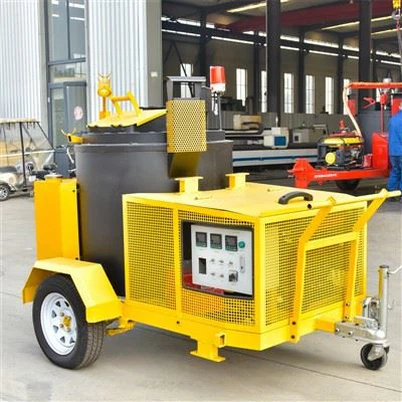
Depending on the inspection results, gather the appropriate equipment for cleaning. This may include scrapers, brushes, vacuum cleaners, and specialized cleaning agents. For larger spills or more stubborn oil stains, you may also need heavy - duty equipment such as the FAGF200 Asphalt Crack Sealing Machine. This machine is designed to not only clean but also seal road joints effectively, ensuring long - term protection against further damage.
Safety First
Ensure that all safety measures are in place. Wear appropriate personal protective equipment (PPE), such as gloves, goggles, and safety shoes. Set up warning signs and barriers around the affected area to prevent traffic accidents and protect the safety of workers.
Cleaning Methods
Mechanical Cleaning
- Scraping: Use a sharp scraper to remove as much of the oil - saturated joint filling material as possible. This is most effective for fresh spills where the oil has not penetrated too deeply. Work carefully to avoid damaging the surrounding road surface.
- Brushing: After scraping, use a stiff brush to scrub the joint area. This can help to loosen any remaining oil and debris. You can use a wire brush for more stubborn stains, but be cautious as it may scratch the road surface.
- Vacuuming: A high - power vacuum cleaner can be used to suck up the loosened oil, debris, and joint filling particles. This step helps to remove the majority of the contaminants from the road joints.
Chemical Cleaning
- Selecting the Right Cleaning Agent: Choose a cleaning agent that is specifically designed for removing oil stains from road surfaces and joint filling materials. There are many commercial products available on the market, and our team can recommend the most suitable one based on the type of oil and the joint filling material.
- Application: Apply the cleaning agent to the affected areas of the road joints. Follow the manufacturer's instructions regarding the application method, concentration, and contact time. In some cases, it may be necessary to use a pressure washer to ensure thorough penetration of the cleaning agent.
- Rinsing: After the cleaning agent has had sufficient time to work, rinse the road joints thoroughly with clean water. This can be done using a hose or a pressure washer. Make sure to remove all traces of the cleaning agent to prevent any potential damage to the joint filling material.
Using Specialized Equipment
- Asphalt Grouting Machines: For more severe oil spills or when the joint filling material needs to be replaced, Vehicle Mounted Asphalt Grouting Machine can be used. These machines can inject new joint filling material into the cleaned joints, ensuring a proper seal and restoring the functionality of the road joints.
- Electric Sealing Machines: Electric Sealing Machine are another option for post - cleaning maintenance. They are suitable for small - to medium - sized projects and can provide a precise and efficient sealing of road joints.
Post - Cleaning Inspection and Maintenance
Inspection
After cleaning the road joints, conduct a final inspection to ensure that all oil has been removed and the joint filling material is in good condition. Check for any signs of remaining stains, cracks, or gaps in the joints. If necessary, repeat the cleaning process or make any necessary repairs.
Maintenance
To prevent future oil spills from causing similar problems, implement a regular maintenance plan. This may include routine inspections of the road joints, cleaning of the road surface, and timely replacement of worn - out joint filling material. Our company offers a range of high - quality road joint filling products and can provide professional advice on maintenance.
Conclusion
Cleaning road joint filling after an oil spill is a complex but essential process for maintaining the integrity and safety of road infrastructure. By following the steps outlined in this blog, you can effectively remove oil stains from road joints and restore their functionality. As a supplier of road joint filling products and equipment, we are committed to providing you with the best solutions for your road maintenance needs. Whether you need cleaning agents, specialized equipment, or high - quality joint filling materials, we have you covered.
If you are interested in our road joint filling products or services, or if you have any questions about cleaning road joints after an oil spill, please feel free to contact us for a detailed discussion. We look forward to working with you to ensure the long - term durability of your roads.
References
- "Road Maintenance and Rehabilitation Handbook" by the World Bank
- "Asphalt Pavement Preservation Manual" by the Federal Highway Administration