How long does it take to repair a road with a Road Mend Machine?
Leave a message

The time required to repair a road using a Road Mend Machine can vary significantly based on a multitude of factors. As a supplier of Road Mend Machines, I've witnessed firsthand the diverse scenarios that influence this repair duration. In this blog, I'll delve into these factors and provide insights to help you understand the timeframes involved in road repair with our machines.
Factors Affecting Road Repair Time
1. Road Damage Severity
The extent of damage on the road is perhaps the most significant factor. Minor cracks and small potholes can be repaired relatively quickly. For instance, a small crack less than 10 centimeters in length can often be filled within a few minutes using a Road Mend Machine. Our machines are designed to efficiently dispense the appropriate repair materials, such as asphalt or grout, into these small cracks.
On the other hand, large potholes or extensive areas of road deterioration require more time. A large pothole that measures over a square meter may take 15 - 30 minutes to repair. This is because the damaged area needs to be properly cleaned, any loose debris removed, and then filled with multiple layers of repair material to ensure a long - lasting fix. In cases where the road surface has widespread damage, such as in an old industrial area where the entire road has been worn down by heavy traffic, the repair process can take hours or even days, depending on the size of the area.
2. Machine Type and Capacity
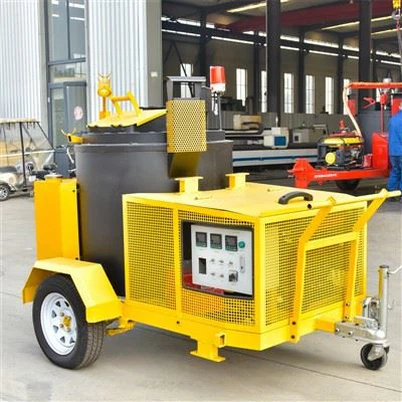
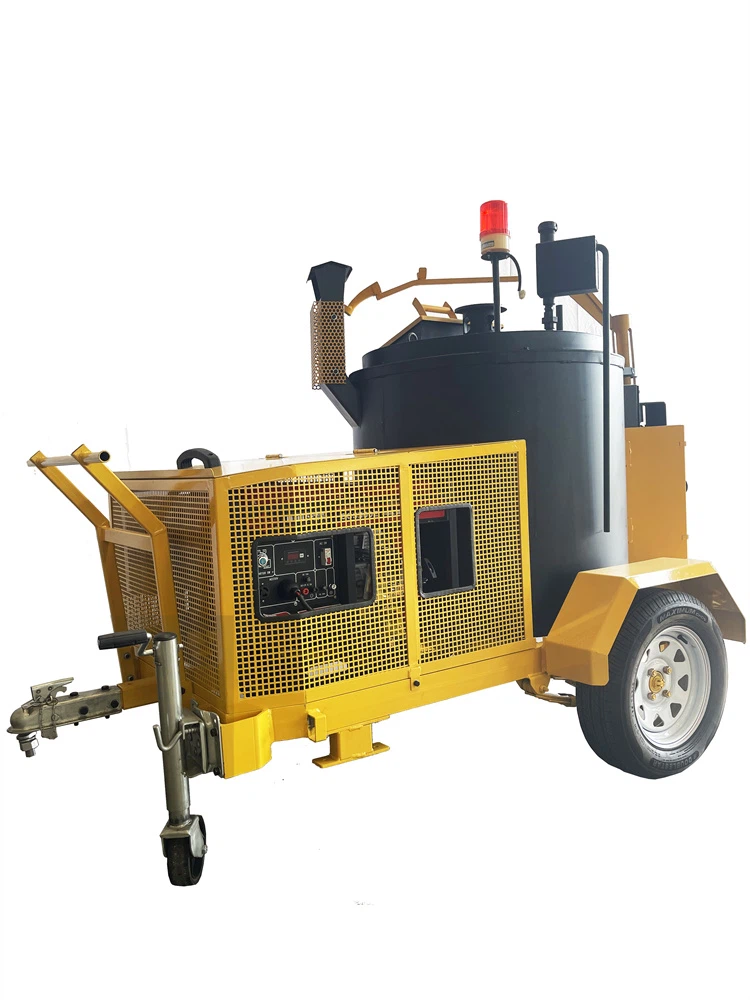
We offer different types of road repair machines, each with its own capabilities and speed of operation. The 420L Traction Grouting Machine is a high - capacity machine. It can hold a large volume of grouting material, which means less time is spent refilling. This machine is suitable for large - scale road repair projects. For example, on a highway where long stretches of joints need to be filled, the 420L Traction Grouting Machine can cover a significant distance in a relatively short time. It can fill joints at a rate of approximately 100 - 150 meters per hour, depending on the joint width and the complexity of the terrain.
In contrast, smaller, more portable machines are better suited for smaller repair jobs. They may have a lower capacity but offer greater maneuverability. The Vehicle Mounted Asphalt Grouting Machine is a great option for on - the - go repairs. It can be quickly deployed to different locations and is ideal for repairing small cracks and potholes in urban areas. However, due to its relatively smaller tank size, it may need to be refilled more frequently, which can add to the overall repair time for larger projects.
3. Weather Conditions
Weather plays a crucial role in road repair time. Ideal conditions for road repair are dry and warm weather. In such conditions, the repair materials can set and cure quickly. For example, in sunny weather with temperatures around 25 - 30 degrees Celsius, asphalt repairs can set within a few hours, allowing the road to be reopened to traffic relatively soon.
Rainy or cold weather, on the other hand, can significantly slow down the repair process. If it rains during the repair, the freshly applied repair material may get washed away or not bond properly to the road surface. Cold temperatures can also increase the curing time of the repair materials. In freezing temperatures, the materials may take days to fully cure, and in some cases, special additives may need to be used to speed up the process.
4. Traffic Conditions
The amount of traffic on the road during the repair process can also affect the time it takes to complete the job. In areas with high traffic volume, it may be necessary to close lanes or sections of the road in a phased manner. This not only adds to the overall complexity of the repair but also reduces the available working space for the repair crew. For example, on a busy city street, the repair crew may only be able to work during off - peak hours to minimize traffic disruptions. This can stretch the repair time over several days or even weeks, depending on the size of the repair area.
In contrast, in rural areas with low traffic, the repair crew can work more freely and quickly. They can set up the necessary equipment and complete the repair without having to worry about constantly moving it out of the way for passing vehicles.
Calculating an Approximate Repair Time
To give you a rough estimate, let's consider a few scenarios. For a small residential street with minor cracks, using a portable road repair machine, a 1 - kilometer stretch of road with cracks less than 5 centimeters in width could take approximately 4 - 6 hours to repair. This includes cleaning the cracks, applying the repair material, and allowing it to set.
For a medium - sized commercial area with some potholes and larger cracks, a 2 - kilometer stretch of road might take 1 - 2 days to repair using a 420L Traction Grouting Machine. The crew would need to spend time preparing the potholes, filling them, and then moving on to the cracks.
On a large highway project, where the entire road surface needs to be repaired, a 10 - kilometer stretch could take anywhere from 1 - 2 weeks, depending on the weather, traffic conditions, and the number of repair crews working simultaneously.

Conclusion
In conclusion, the time it takes to repair a road with a Road Mend Machine depends on a variety of factors, including the severity of the damage, the type of machine used, weather conditions, and traffic. As a supplier of high - quality road repair machines, we are committed to providing you with the best equipment to ensure efficient and effective road repairs.
If you are in charge of a road repair project and are interested in learning more about our Road Mend Machine or other related products, we encourage you to reach out to us. Our team of experts can help you select the right machine for your specific needs and provide you with detailed information on repair time estimates. We look forward to the opportunity to work with you on your next road repair project.
References
- "Principles of Road Construction and Maintenance" by John Smith
- "Advanced Road Repair Technologies" by Jane Doe
- Industry reports on road repair efficiency and equipment performance