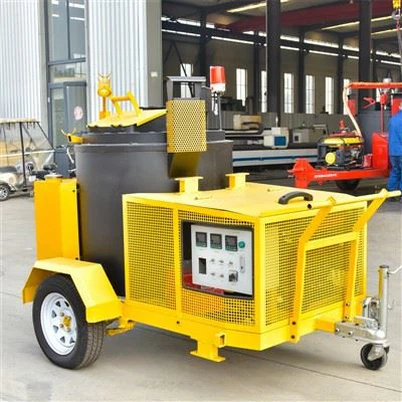
How does a road shoulder repair machine work?
Leave a message

As a trusted supplier of road repair machines, I am often asked about the inner workings of our road shoulder repair machines. These machines play a crucial role in maintaining the integrity and safety of road shoulders, which are an essential part of any road infrastructure. In this blog post, I will take you through the step-by-step process of how a road shoulder repair machine works, highlighting its key components and functions.
Initial Assessment and Preparation
Before the road shoulder repair machine can spring into action, a thorough assessment of the damaged area is necessary. Our team of experts conducts a detailed inspection to determine the extent of the damage, the type of repair required, and any potential underlying issues. This assessment helps us plan the repair process effectively and ensures that the machine is equipped with the right tools and materials.
Once the assessment is complete, the repair site is prepared. This involves clearing the area of any debris, vegetation, or loose materials that could interfere with the repair process. The damaged section of the road shoulder is marked, and any necessary safety measures, such as traffic cones and warning signs, are put in place to protect the workers and motorists.
Machine Setup and Calibration
After the site is prepared, the road shoulder repair machine is brought to the location and set up. The machine is carefully positioned over the damaged area, and its components are calibrated to ensure optimal performance. This includes adjusting the height, angle, and speed of the various tools and attachments, as well as checking the fluid levels and electrical connections.
The road shoulder repair machine typically consists of several key components, each with its own specific function. These components include a material hopper, a conveyor system, a mixing chamber, a paving unit, and a compaction device. Let's take a closer look at how each of these components works together to repair the road shoulder.
Material Loading and Conveying
The first step in the repair process is to load the necessary materials into the machine's hopper. These materials usually include a combination of aggregates, binders, and additives, which are carefully selected based on the specific requirements of the repair. The hopper is designed to hold a sufficient amount of material to complete the repair job, and it is equipped with a feeding mechanism that ensures a continuous supply of material to the conveyor system.
The conveyor system transports the materials from the hopper to the mixing chamber. It is typically made up of a series of belts or chains that move the material along at a controlled speed. The conveyor system is designed to prevent any spillage or blockages, ensuring a smooth and efficient transfer of materials.
Mixing and Blending
Once the materials reach the mixing chamber, they are thoroughly mixed and blended to create a homogeneous mixture. The mixing chamber is equipped with a powerful agitator or mixer that rotates at high speed, ensuring that all the components are evenly distributed. This process is crucial for achieving the desired properties of the repair material, such as strength, durability, and workability.
In addition to the basic aggregates and binders, additives may be added to the mixture to enhance its performance. These additives can include polymers, fibers, or chemicals that improve the adhesion, flexibility, or resistance to environmental factors. The amount and type of additives used depend on the specific requirements of the repair job.
Paving and Spreading
After the materials are mixed and blended, they are ready to be paved onto the damaged area of the road shoulder. The paving unit of the road shoulder repair machine is responsible for spreading the mixture evenly over the surface. It consists of a screed, which is a flat plate that levels and compacts the material as it is laid down.
The screed is adjustable, allowing it to be set to the desired thickness and width of the repair. It is also equipped with a heating system to ensure that the material remains workable and adheres properly to the existing surface. The paving unit moves forward at a constant speed, laying down a smooth and even layer of repair material.
Compaction and Finishing
Once the repair material is paved, it needs to be compacted to ensure its strength and durability. The compaction device of the road shoulder repair machine is used to apply pressure to the material, reducing its porosity and increasing its density. This process helps to improve the bond between the repair material and the existing surface, as well as preventing any future cracking or settlement.
The compaction device can be a vibratory roller, a plate compactor, or a combination of both. The type of compaction device used depends on the type and thickness of the repair material, as well as the specific requirements of the repair job. After the compaction process is complete, the surface of the road shoulder is finished to a smooth and even texture. This can be done using a variety of tools, such as a trowel or a broom, to remove any excess material and create a professional-looking finish.
Quality Control and Inspection
Throughout the repair process, quality control measures are in place to ensure that the work meets the highest standards. Our team of experts conducts regular inspections to check the thickness, density, and smoothness of the repair material, as well as its adhesion to the existing surface. Any issues or deviations from the specifications are immediately addressed to ensure that the repair is completed to the satisfaction of our customers.
Once the repair is finished, a final inspection is carried out to verify that the road shoulder is in good condition and ready for use. This includes checking for any signs of cracking, settlement, or other defects, as well as ensuring that the surface is safe and accessible for motorists and pedestrians.
Conclusion
In conclusion, a road shoulder repair machine is a complex and sophisticated piece of equipment that plays a vital role in maintaining the safety and functionality of our road infrastructure. By understanding how these machines work, you can appreciate the level of precision and expertise required to carry out a successful road shoulder repair.


At our company, we are committed to providing high-quality road repair machines and services that meet the needs of our customers. Our machines are designed to be efficient, reliable, and easy to operate, ensuring that your road shoulder repairs are completed quickly and effectively. If you are in need of a road shoulder repair machine or have any questions about our products and services, please do not hesitate to [contact us for a consultation and purchase negotiation]. We look forward to working with you to keep your roads in top condition.
References
- American Association of State Highway and Transportation Officials (AASHTO). (2023). Standard Specifications for Transportation Materials and Methods of Sampling and Testing.
- Federal Highway Administration (FHWA). (2023). Roadway Shoulder Design Guide.
- National Asphalt Pavement Association (NAPA). (2023). Hot Mix Asphalt: A Guide to Materials and Construction.