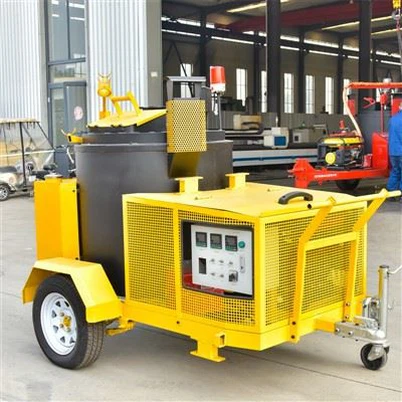
How does a road sanitation vehicle clean the sidewalks?
Leave a message

As a leading provider of road sanitation vehicles, I'm often asked about the intricate process of how these remarkable machines clean sidewalks. It's a topic that combines advanced technology, engineering precision, and a commitment to maintaining clean and safe urban environments. In this blog post, I'll take you through the step-by-step process of how our road sanitation vehicles efficiently clean sidewalks, highlighting the key features and technologies that make them so effective.
Pre - Operation Preparation
Before a road sanitation vehicle sets out to clean the sidewalks, a series of pre - operation preparations are carried out. First, the vehicle is thoroughly inspected. Our technicians check the engine, hydraulic systems, and all the cleaning equipment to ensure they are in optimal working condition. The water tanks are filled to the appropriate level. Water is a crucial element in the cleaning process as it helps to loosen dirt and debris.
The brushes and suction nozzles, which are the primary cleaning tools, are also inspected. Any signs of wear and tear are noted, and if necessary, parts are replaced. This pre - operation check ensures that the vehicle will perform at its best during the cleaning mission, minimizing the risk of breakdowns and ensuring a smooth cleaning process.
Arrival at the Cleaning Site
Once the vehicle arrives at the sidewalk cleaning site, the operator positions the vehicle carefully. The vehicle is maneuvered close to the sidewalk, ensuring that the cleaning equipment can reach the entire width of the sidewalk. Our vehicles are designed with excellent maneuverability, allowing them to navigate around obstacles such as parked bicycles, street signs, and utility boxes with ease.
Sweeping and Loosening Debris
The first step in the cleaning process is to sweep and loosen the debris on the sidewalk. Our road sanitation vehicles are equipped with rotating brushes. These brushes are made of high - quality materials that can effectively pick up dirt, leaves, dust, and small stones. The brushes rotate at a high speed, dislodging the debris from the surface of the sidewalk.
The design of the brushes is crucial. They are angled in such a way that they push the debris towards the center of the vehicle's path. This centralized collection makes it easier for the subsequent suction process. The bristles of the brushes are also flexible enough to adapt to the uneven surface of the sidewalk, ensuring that every nook and cranny is cleaned.
Suction of Debris
After the debris has been loosened by the brushes, the suction system comes into play. Our vehicles are equipped with powerful suction fans. These fans create a strong vacuum that sucks up the loosened debris from the sidewalk. The suction nozzles are strategically placed close to the brushes, ensuring that the debris is immediately collected as soon as it is dislodged.
The suction system is designed to handle different types of debris. Whether it's fine dust or larger pieces of trash, the system can effectively collect it. The collected debris is then transported through a series of pipes into a large debris collection bin located on the vehicle. This bin has a large capacity, allowing the vehicle to clean a significant length of sidewalk without the need for frequent emptying.
Washing the Sidewalk
In addition to sweeping and suction, our road sanitation vehicles also have a washing function. Water is sprayed onto the sidewalk through a series of nozzles. The water pressure can be adjusted according to the level of dirt on the sidewalk. For heavily soiled areas, a higher water pressure can be used to remove stubborn stains.
The washing process not only cleans the surface of the sidewalk but also helps to remove any remaining dust and small particles that may have been left behind by the sweeping and suction processes. The water used in the washing process is recycled whenever possible. Our vehicles are equipped with a water treatment system that filters and purifies the used water, allowing it to be reused in the cleaning process. This not only saves water but also reduces the environmental impact of the cleaning operation.
Final Inspection and Touch - Ups
After the initial cleaning process is completed, the operator conducts a final inspection of the sidewalk. This is to ensure that all the debris has been removed and the sidewalk is clean to the required standard. If any areas are found to be still dirty, the operator can perform touch - ups.
The touch - ups may involve re - sweeping, re - suctioning, or using a more targeted water spray to clean specific areas. This attention to detail ensures that the sidewalk is left in a pristine condition, meeting the high standards of cleanliness expected in urban areas.
Advanced Technologies in Our Road Sanitation Vehicles
Our road sanitation vehicles are not just simple cleaning machines; they are equipped with advanced technologies that enhance their cleaning efficiency. For example, some of our vehicles are equipped with GPS tracking systems. This allows the operator to plan the most efficient cleaning routes, reducing travel time and fuel consumption.
The vehicles also have sensors that can detect the level of dirt on the sidewalk. Based on this information, the cleaning equipment can automatically adjust its operation. For example, if the sensor detects a heavily soiled area, the brushes may rotate at a higher speed, and the water pressure may be increased.


Related Road Maintenance Vehicles
In addition to our sidewalk cleaning vehicles, we also offer a range of other road maintenance vehicles. Our Road Surface Maintenance Vehicle is designed to maintain the integrity of road surfaces, filling potholes and repairing cracks. The Asphalt Recycling and Maintenance Vehicle 2000L is a revolutionary machine that can recycle old asphalt and use it for new road repairs, reducing waste and costs. And our Motorway Maintenance Vehicles are specifically designed for the high - speed and large - scale maintenance of motorways.
Contact Us for Procurement
If you're interested in our road sanitation vehicles or any of our other road maintenance vehicles, we invite you to contact us for procurement discussions. Our team of experts is ready to provide you with detailed information about our products, including specifications, pricing, and after - sales service. We are committed to providing high - quality vehicles that meet your specific needs and requirements.
References
- "Principles of Road Cleaning Equipment Design" - A technical manual on the design and operation of road cleaning vehicles.
- "Advances in Road Maintenance Technologies" - A research paper on the latest technologies used in road maintenance and cleaning.