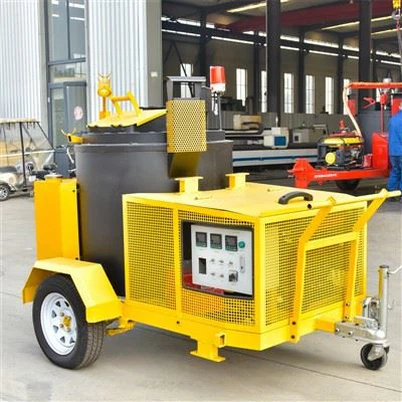
How does a road sanitation vehicle clean the bus stops?
Leave a message

As a dedicated provider of road sanitation vehicles, I've witnessed firsthand the transformative impact these machines have on keeping our public spaces clean and safe. Among the many areas that benefit from our technology, bus stops stand out as crucial hubs of activity that require regular and thorough cleaning. In this blog post, I'll delve into the intricate process of how our road sanitation vehicles clean bus stops, highlighting the advanced features and techniques that make our solutions so effective.
The Importance of Cleaning Bus Stops
Bus stops are more than just waiting areas; they are vital components of our urban infrastructure that serve thousands of commuters every day. These spaces are often exposed to a variety of environmental factors, including dust, dirt, litter, and even graffiti. Regular cleaning not only enhances the aesthetic appeal of bus stops but also plays a crucial role in promoting public health and safety. By removing debris and contaminants, we can reduce the risk of slips, trips, and falls, as well as prevent the spread of germs and diseases.
The Cleaning Process
The cleaning process for bus stops typically involves several stages, each designed to address specific types of dirt and debris. Here's a step-by-step overview of how our road sanitation vehicles tackle the task:
Pre-Sweeping
Before the main cleaning operation begins, our vehicles use a pre-sweeping mechanism to remove large debris such as leaves, branches, and litter from the area around the bus stop. This helps to prevent larger objects from clogging the subsequent cleaning systems and ensures a more efficient cleaning process. The pre-sweeper is equipped with rotating brushes that sweep the debris towards the center of the vehicle, where it is collected in a hopper.
High-Pressure Washing
Once the pre-sweeping is complete, the vehicle moves on to the high-pressure washing stage. This involves using powerful water jets to blast away dirt, grime, and stains from the bus stop structure, including the benches, shelters, and signage. The high-pressure water is delivered through a series of nozzles strategically positioned on the vehicle, allowing for thorough coverage of all surfaces. The water is typically mixed with a mild detergent to enhance the cleaning effect and break down stubborn stains.
Vacuuming
After the high-pressure washing, the vehicle uses a vacuum system to remove the remaining water and debris from the area. The vacuum nozzle is designed to pick up both wet and dry materials, ensuring a clean and dry surface. This step is particularly important for preventing water damage to the bus stop structure and reducing the risk of slips and falls. The collected debris is stored in a separate hopper on the vehicle for later disposal.
Surface Scrubbing
For more stubborn stains and dirt, our vehicles are equipped with surface scrubbing brushes that can be used to agitate and remove the contaminants. The brushes are typically made of durable materials such as nylon or polypropylene and are designed to rotate at high speeds to provide a deep clean. The scrubbing process is often combined with the high-pressure washing and vacuuming steps to ensure a thorough and effective cleaning.
Disinfection
In addition to the physical cleaning, our road sanitation vehicles can also be equipped with disinfection systems to kill germs and bacteria on the bus stop surfaces. This is especially important in light of the ongoing COVID-19 pandemic, as it helps to reduce the risk of virus transmission. The disinfection process typically involves spraying a disinfectant solution onto the surfaces and allowing it to sit for a specified period of time before being wiped or rinsed away.
Advanced Features of Our Road Sanitation Vehicles
To ensure the highest level of cleaning performance, our road sanitation vehicles are equipped with a range of advanced features and technologies. Here are some of the key features that set our vehicles apart:
Automated Control Systems
Our vehicles are equipped with automated control systems that allow for precise and efficient operation. The operator can use a control panel inside the vehicle to adjust the cleaning parameters, such as the water pressure, brush speed, and vacuum power, based on the specific cleaning requirements of the bus stop. This helps to ensure consistent and thorough cleaning results while minimizing the need for manual intervention.
GPS Tracking and Monitoring
To improve the efficiency and accountability of our cleaning operations, our vehicles are equipped with GPS tracking and monitoring systems. These systems allow us to track the location and movement of the vehicles in real-time, as well as monitor the cleaning performance and progress. This information can be used to optimize the cleaning routes, schedule maintenance, and ensure that the vehicles are operating at peak efficiency.
Environmentally Friendly Design
We are committed to minimizing the environmental impact of our road sanitation vehicles. That's why our vehicles are designed to be as energy-efficient as possible, using advanced technologies such as hybrid engines and regenerative braking systems. In addition, our vehicles are equipped with water recycling systems that allow us to reuse the water used in the cleaning process, reducing the amount of water consumption and waste.
Customizable Configurations
We understand that every bus stop is unique, and that's why our road sanitation vehicles can be customized to meet the specific cleaning requirements of each location. We offer a range of optional features and accessories, such as different types of brushes, nozzles, and disinfection systems, that can be added to the vehicle to enhance its cleaning capabilities. This allows us to provide tailored solutions that are both effective and efficient.
The Benefits of Using Our Road Sanitation Vehicles
By choosing our road sanitation vehicles to clean your bus stops, you can enjoy a range of benefits, including:
Improved Cleaning Performance
Our vehicles are designed to provide a thorough and effective cleaning of bus stops, removing even the most stubborn dirt and stains. The advanced features and technologies used in our vehicles ensure that the cleaning process is efficient and consistent, resulting in a cleaner and more inviting environment for commuters.
Increased Safety
Regular cleaning of bus stops helps to reduce the risk of slips, trips, and falls, as well as prevent the spread of germs and diseases. By using our road sanitation vehicles, you can ensure that your bus stops are safe and hygienic for all users.
Cost Savings
Our vehicles are designed to be cost-effective, with low operating costs and high reliability. The advanced features and technologies used in our vehicles help to minimize the need for manual labor and reduce the amount of water and cleaning chemicals used, resulting in significant cost savings over time.
Environmental Sustainability
As mentioned earlier, our road sanitation vehicles are designed to be environmentally friendly, using advanced technologies to reduce energy consumption and waste. By choosing our vehicles, you can contribute to a more sustainable future and help to protect the environment.


Conclusion
In conclusion, our road sanitation vehicles are the ideal solution for keeping bus stops clean and safe. With their advanced features and technologies, they offer a thorough and efficient cleaning process that can remove even the most stubborn dirt and stains. Whether you're a local government agency, a transportation authority, or a private business, our vehicles can help you to maintain a clean and inviting environment for your commuters.
If you're interested in learning more about our road sanitation vehicles or would like to discuss your specific cleaning requirements, please don't hesitate to contact us. We would be happy to provide you with more information and arrange a demonstration of our vehicles.
References
- "Highway Maintenance Vehicle" [/road-maintenance-vehicle/highway-maintenance-vehicle.html]
- "Road Repair Machine" [/road-maintenance-vehicle/road-repair-machine.html]
- "Rural Road Maintenance Vehicle" [/road-maintenance-vehicle/rural-road-maintenance-vehicle.html]