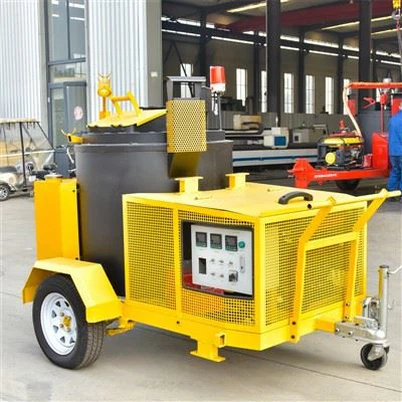
How does a road clearing vehicle clear sewage on the road?
Leave a message

Hey there! I'm a supplier of Road Clearing Vehicles, and today I wanna talk about how these awesome machines clear sewage on the road.
How Does a Road Clearing Vehicle Clear Sewage on the Road?
The Basics of Road Sewage
Before we dive into how the vehicles do their magic, let's understand why there's sewage on the roads in the first place. Sometimes, heavy rainfall can overwhelm the drainage systems. When that happens, water starts to pool on the roads, carrying all sorts of dirt, debris, and even some sewage from nearby areas. Also, in urban areas, there could be leaks from the sewage pipes that end up on the streets.
The Components of a Road Clearing Vehicle
A typical road - clearing vehicle is like a well - oiled machine with several key parts that work together to get the job done.
The Vacuum System
One of the most important components is the vacuum system. This is what allows the vehicle to suck up the sewage from the road surface. The vacuum creates a powerful suction force. Think of it like a giant, super - strong vacuum cleaner. It can quickly pull in large amounts of water, along with the dirt and debris that are floating in it. The suction power is so strong that it can even pick up small stones and other solid objects that might be mixed with the sewage.
The Storage Tank
Once the sewage is sucked up, it needs to go somewhere. That's where the storage tank comes in. The tank is designed to hold a large volume of the collected sewage. It's made of strong and durable materials to prevent any leaks. Some tanks are also equipped with special filters. These filters help to separate the solid waste from the liquid part of the sewage. This is important because it makes it easier to dispose of the collected material later.
The Pumping System
The pumping system is another crucial part. It's responsible for moving the sewage from the road surface into the storage tank. The pump works in tandem with the vacuum system. It helps to maintain a steady flow of the sewage, ensuring that the collection process is efficient. And when it's time to empty the storage tank, the pumping system can also be used to transfer the sewage to a proper disposal site.
The Clearing Process
Now, let's go through the step - by - step process of how a road - clearing vehicle clears sewage on the road.
Inspection and Assessment
Before the vehicle starts the actual clearing work, the operator will first do an inspection of the area. They'll look at the extent of the sewage on the road, the depth of the water, and the type of debris that's present. This helps them to plan the best approach for the clearing operation. For example, if there are large objects blocking the flow of the sewage, they might need to remove them manually before using the vehicle.
Positioning the Vehicle
Once the inspection is done, the vehicle is positioned at the edge of the sewage - covered area. The operator will make sure that the suction nozzles are in the right position to start collecting the sewage. They'll adjust the height and angle of the nozzles according to the depth of the water and the surface conditions of the road.
Starting the Vacuum and Pumping Systems
After the vehicle is properly positioned, the operator will start the vacuum and pumping systems. The vacuum will create the suction force, and the pump will start moving the sewage into the storage tank. The operator will slowly move the vehicle along the road, covering the entire sewage - affected area. They'll make sure that every part of the sewage is collected.
Filtering and Separation
As the sewage enters the storage tank, the filters will start their work. They'll trap the solid waste, such as leaves, twigs, and small stones. The liquid part of the sewage will pass through the filters and collect in the bottom of the tank. This separation process helps to keep the tank clean and makes it easier to handle the collected sewage.
Disposal
Once the storage tank is full, the vehicle will head to a proper disposal site. This could be a sewage treatment plant or a designated waste disposal area. At the disposal site, the pumping system will be used to empty the tank. The solid waste will be disposed of separately from the liquid sewage, following the environmental regulations.
The Advantages of Using Road Clearing Vehicles
There are several advantages to using road - clearing vehicles for sewage removal.
Efficiency
These vehicles can clear large areas of sewage in a relatively short time. Compared to manual clearing methods, which are slow and labor - intensive, road - clearing vehicles can get the job done much faster. This is especially important during emergencies, such as after a heavy storm, when the roads need to be cleared quickly to prevent further damage and to ensure public safety.


Safety
Using a road - clearing vehicle is also much safer than trying to clear the sewage manually. The operators can stay inside the vehicle, away from the potentially harmful sewage. The sewage might contain bacteria, viruses, and other contaminants that can cause health problems. By using a vehicle, the risk of exposure to these harmful substances is significantly reduced.
Environmental Friendliness
Modern road - clearing vehicles are designed to be more environmentally friendly. The filtering and separation systems help to reduce the amount of solid waste that goes into the sewage treatment plants. This can ease the burden on the treatment facilities and also help to protect the environment.
Related Vehicles
If you're interested in road maintenance and sanitation, you might also want to check out some related vehicles. For example, the Highway Maintenance Vehicle is great for keeping highways in good condition. It can handle tasks like pothole repair and road marking. The Highway Maintenance Car is a more compact option that can be used for smaller - scale maintenance jobs. And the Road Sanitation Vehicle is specifically designed for general road cleaning, including sweeping and washing.
Conclusion
So, there you have it! That's how a road - clearing vehicle clears sewage on the road. These vehicles are truly amazing pieces of technology. They play a vital role in keeping our roads clean and safe. If you're in the market for a road - clearing vehicle or any of the related vehicles I mentioned, don't hesitate to get in touch. We're here to provide you with high - quality vehicles and excellent service. Whether you're a local government agency responsible for road maintenance or a private contractor, we can offer the right solution for your needs. Let's work together to make our roads cleaner and better!
References
- "Road Maintenance and Sanitation Equipment Handbook"
- "The Science of Road Sewage Clearance"
- "Advances in Road - Clearing Vehicle Technology"