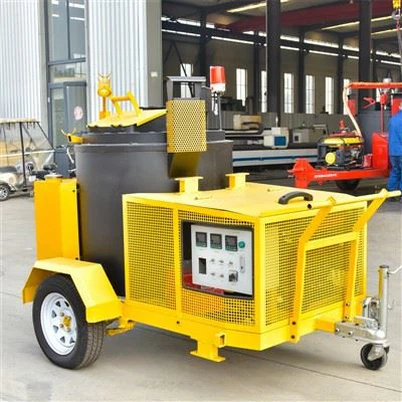
How do road maintenance trucks handle road surface resurfacing?
Leave a message

Road surface resurfacing is a crucial aspect of road maintenance that ensures the safety and longevity of our transportation infrastructure. As a leading Road Maintenance Truck supplier, we understand the intricacies involved in this process and the vital role our vehicles play. In this blog, we'll delve into how our road maintenance trucks handle road surface resurfacing, from the initial assessment to the final touches.


Initial Assessment and Planning
Before any resurfacing work begins, a thorough assessment of the road surface is essential. Our team of experts uses advanced technology and techniques to evaluate the condition of the existing pavement. This includes checking for cracks, potholes, unevenness, and signs of wear and tear. We also consider factors such as traffic volume, climate, and the type of vehicles using the road.
Based on this assessment, we develop a detailed resurfacing plan. This plan outlines the scope of work, the materials to be used, the timeline, and the budget. It also takes into account any potential disruptions to traffic and includes measures to minimize them. Our road maintenance trucks are then equipped with the necessary tools and materials according to the plan.
Preparation of the Road Surface
Once the plan is in place, the first step in the resurfacing process is to prepare the road surface. This involves removing the existing pavement or a portion of it, depending on the condition. Our road maintenance trucks are equipped with specialized equipment for this task, such as milling machines.
Milling machines are used to grind off the top layer of the pavement, creating a smooth and even surface for the new overlay. The removed material is collected by the truck and can often be recycled, reducing waste and costs. This process also helps to improve the adhesion of the new pavement to the existing base.
In addition to milling, our trucks are also used to clean the road surface thoroughly. This includes removing debris, dust, and loose materials. We use Small Cleaning Vehicle for this purpose, which are designed to efficiently clean the road surface without causing damage. These vehicles are equipped with powerful suction systems and brushes that can reach into cracks and crevices to ensure a clean surface.
Application of the New Pavement
After the road surface is prepared, it's time to apply the new pavement. Our road maintenance trucks are equipped with asphalt pavers, which are used to lay the hot mix asphalt (HMA) evenly on the road surface. The paver spreads the asphalt in a continuous layer, ensuring a smooth and uniform finish.
The temperature of the HMA is critical during the application process. Our trucks are designed to maintain the proper temperature of the asphalt to ensure optimal performance. The paver also has adjustable screeds that can be set to the desired thickness and width of the pavement.
Once the asphalt is laid, our trucks are used to compact it. Compaction is essential to ensure the durability and strength of the new pavement. We use rollers, which are attached to our trucks, to apply pressure to the asphalt, squeezing out any air pockets and ensuring a dense and stable surface.
Quality Control and Finishing Touches
Throughout the resurfacing process, quality control is of utmost importance. Our road maintenance trucks are equipped with sensors and monitoring systems that allow us to track the quality of the work in real-time. This includes monitoring the temperature, thickness, and density of the pavement.
After the pavement is compacted, we perform a final inspection to ensure that it meets the required standards. Any imperfections or areas that need attention are addressed immediately. Our trucks are also used to apply striping and markings to the road surface, providing clear guidance for drivers.
In some cases, we may also use Electric Four-wheel Road Maintenance Vehicle for the finishing touches. These vehicles are versatile and can be used for a variety of tasks, such as applying sealants or performing minor repairs.
Handling Special Situations
Road surface resurfacing is not always a straightforward process. There are often special situations that require additional attention and specialized equipment. For example, in areas with heavy traffic or limited access, our road maintenance trucks are designed to work efficiently and safely.
We also have Road Clearing Vehicle that can be used to quickly remove obstacles and debris from the road surface. These vehicles are essential in emergency situations or when unexpected issues arise during the resurfacing process.
In addition, our trucks are equipped to handle different types of road surfaces, including concrete and asphalt. We have the expertise and equipment to adapt to the specific requirements of each project, ensuring a high-quality resurfacing job.
Conclusion
As a Road Maintenance Truck supplier, we take pride in our ability to handle road surface resurfacing with precision and efficiency. Our trucks are equipped with the latest technology and equipment, and our team of experts is trained to perform the work to the highest standards.
If you're in need of road maintenance services or are interested in purchasing our road maintenance trucks, we invite you to contact us for a consultation. We can provide you with detailed information about our products and services and help you find the best solution for your needs. Whether you're a government agency, a construction company, or a private contractor, we're here to support you in keeping your roads safe and in good condition.
References
- American Association of State Highway and Transportation Officials (AASHTO). (2023). Guide for Design of Pavement Structures.
- Federal Highway Administration (FHWA). (2023). Asphalt Pavement Recycling: A Handbook for State and Local Governments.
- National Asphalt Pavement Association (NAPA). (2023). Hot Mix Asphalt: A Handbook of Asphalt Paving.