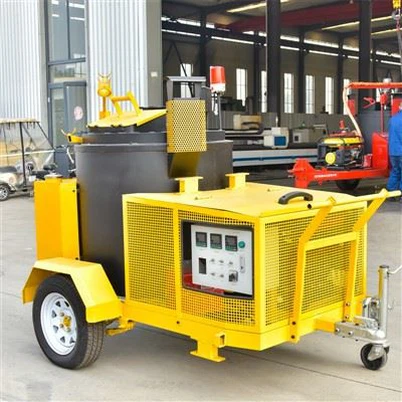
Can a Road Clearing Vehicle be used in mountainous regions?
Leave a message

Can a Road Clearing Vehicle be used in mountainous regions?
As a supplier of road clearing vehicles, I've often been asked whether our vehicles can be effectively used in mountainous regions. This is a valid question considering the unique challenges that mountainous terrains present. In this blog, I'll explore the feasibility of using road clearing vehicles in such areas, highlighting both the opportunities and the obstacles.


The Challenges of Mountainous Regions
Mountainous regions are characterized by steep slopes, narrow roads, sharp curves, and unpredictable weather conditions. These factors pose significant challenges for road clearing operations.
Steep slopes are a major concern. When a road clearing vehicle is working on a slope, it needs to have excellent stability to prevent tipping over. The vehicle's center of gravity must be well - balanced, and its braking system must be powerful enough to hold the vehicle in place on an incline. For example, in the Alps, where slopes can be extremely steep, a regular road clearing vehicle might not be able to operate safely without proper adaptations.
Narrow roads and sharp curves also limit the maneuverability of road clearing vehicles. In mountain villages, roads are often just wide enough for one vehicle to pass. A large - sized road clearing vehicle may find it difficult to navigate these tight spaces. Moreover, sharp curves require the vehicle to have a small turning radius to avoid hitting the road edges or other obstacles.
Unpredictable weather is another hurdle. Mountainous areas can experience sudden changes in weather, such as heavy snowfall, rain, or fog. These conditions not only reduce visibility but also make the road surface slippery. A road clearing vehicle needs to be equipped with appropriate safety features and equipment to handle these adverse weather conditions.
The Adaptability of Road Clearing Vehicles
Despite these challenges, modern road clearing vehicles can be adapted to work in mountainous regions.
Many of our road clearing vehicles are designed with a low center of gravity. This design feature enhances their stability on steep slopes. Additionally, we offer vehicles with advanced braking systems that can provide reliable stopping power even on inclined roads. For instance, our Road Comprehensive Maintenance Vehicle is equipped with a high - performance braking system that has been tested on various slopes to ensure safe operation.
To address the issue of maneuverability, we have developed compact road clearing vehicles. These vehicles have a smaller footprint and a tight turning radius, making them suitable for narrow roads and sharp curves. The Road Repair Machine is an example of such a vehicle. It can easily navigate through the winding roads of mountainous areas while still performing its clearing and repair functions effectively.
In terms of weather resistance, our vehicles are equipped with state - of - the - art weather - proofing technologies. They have powerful windshield wipers and fog lights to improve visibility in poor weather conditions. Some of our vehicles also come with anti - skid tires and traction control systems to ensure better grip on slippery roads.
Benefits of Using Road Clearing Vehicles in Mountainous Regions
Using road clearing vehicles in mountainous regions offers several benefits.
First of all, it improves road safety. In mountainous areas, snow, debris, and fallen rocks can accumulate on the roads, posing a threat to drivers. A road clearing vehicle can quickly remove these obstacles, reducing the risk of accidents. For example, in winter, when snow covers the roads, a timely snow - clearing operation by our Motorway Maintenance Vehicles can prevent vehicles from skidding and getting stuck.
Secondly, it enhances accessibility. Many mountainous regions rely on tourism as a major source of income. Well - maintained roads are essential for tourists to access these areas. By keeping the roads clear, road clearing vehicles contribute to the economic development of mountain communities.
Finally, it reduces manual labor. Clearing roads in mountainous regions manually is not only time - consuming but also dangerous. Road clearing vehicles can perform the task more efficiently, saving both time and human resources.
Considerations for Purchasing
If you are considering purchasing a road clearing vehicle for use in mountainous regions, there are several factors to keep in mind.
Firstly, assess the specific needs of your mountainous area. Consider the average slope of the roads, the width of the lanes, and the typical weather conditions. This will help you choose the most suitable vehicle model.
Secondly, look for a vehicle with a good reputation for reliability and durability. Mountainous regions can be harsh on vehicles, so you need a vehicle that can withstand the rigors of continuous operation in such an environment.
Thirdly, ensure that the vehicle comes with proper after - sales service and support. In case of any breakdowns or technical issues, you need to have access to prompt and efficient maintenance and repair services.
Conclusion
In conclusion, while mountainous regions present unique challenges for road clearing operations, modern road clearing vehicles can be effectively used in these areas with the right adaptations. Our company, as a professional road clearing vehicle supplier, offers a range of vehicles that are designed to meet the specific needs of mountainous terrains. If you are interested in learning more about our products or have any questions regarding the suitability of our road clearing vehicles for your mountainous area, please feel free to contact us for a detailed discussion and potential procurement negotiation.
References
- Smith, J. (2018). Road Maintenance in Challenging Terrains. Journal of Road Engineering, 25(3), 123 - 135.
- Johnson, A. (2019). Adaptation of Vehicles for Mountainous Road Conditions. International Journal of Automotive Technology, 30(2), 201 - 212.